
- Only one in four F-35s reached full mission capability
- Mission capability rates fell sharply between 2021 and 2025
- Software delays continue to impact readiness of newly delivered aircraft
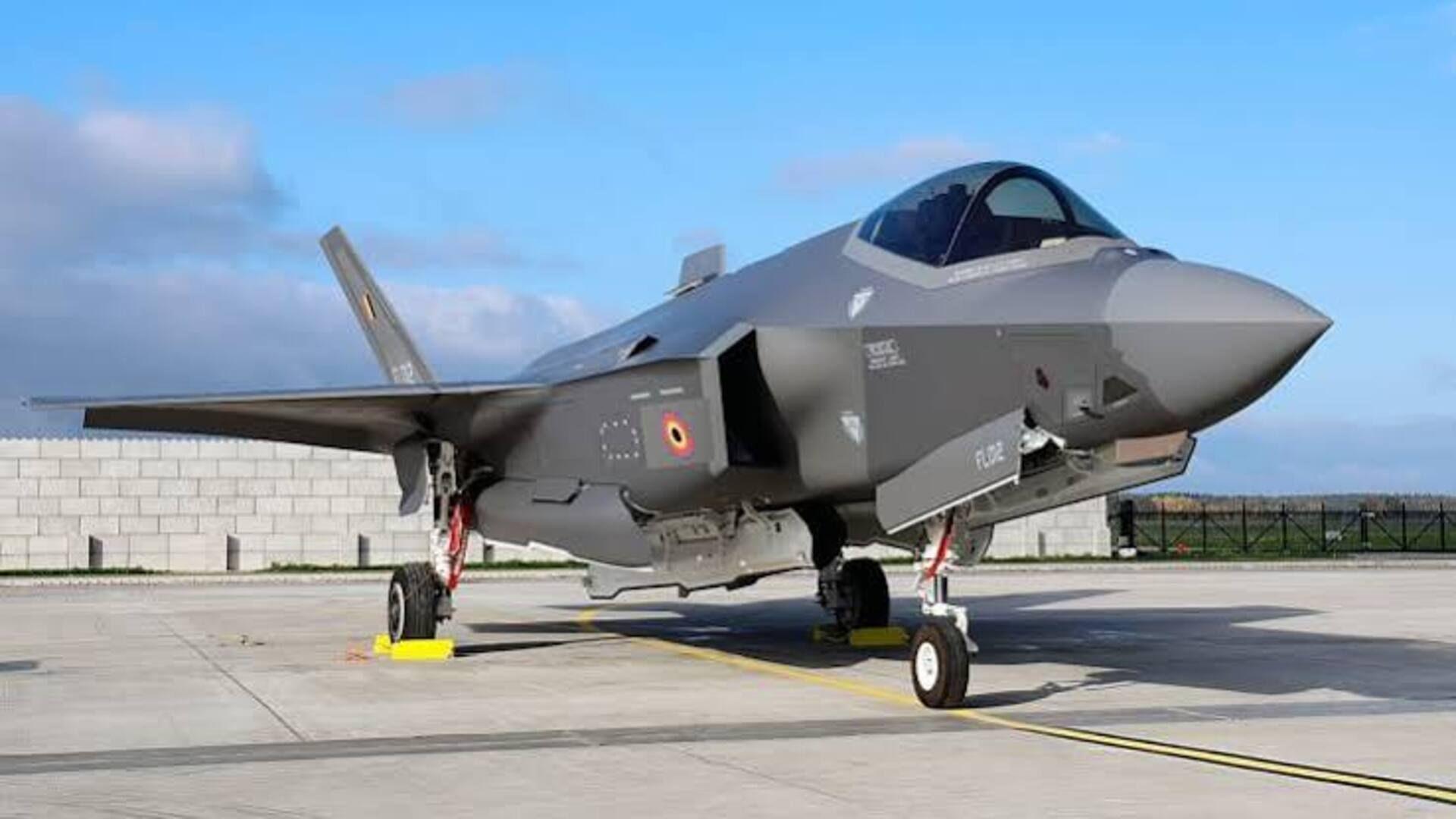
The Pentagon’s F-35 fighter fleet continues to face readiness challenges despite years of investment, modernization efforts and sustained contractor support, as a report from the U.S. Government Accountability Office (GAO) found that only 25 percent of the aircraft were fully mission capable in fiscal year 2025.
According to GAO, the fleet’s mission capable rate fell from 67% in FY 2021 to 44% in FY 2025.
The rate of fully mission capable aircraft, measuring the ability to carry out all assigned missions, fell from 38% to 25% during the same period.

Readiness declines despite billions spent on sustainment efforts
The findings raise questions about a program expected to cost about $1.6 trillion in U.S. sustainment spending while serving as the foundation of U.S. air power.
U.S. Air Force officials have attributed some of the deterioration to software delays affecting newly delivered planes, as well as corrosion problems and a continuing shortage of replacement components.
The report describes the F-35 as the Defense Department’s most expensive weapons program, while noting that performance targets remain unmet.
More than 800 F-35s are currently operated by the Pentagon, and it plans to acquire approximately 1,700 additional aircraft by the mid-2040s.
Meanwhile, the Joint Program Office launched the Global Support Solution Reset in June 2025 to improve readiness and reverse years of declining availability.
Program leaders have set ambitious goals under the initiative, aiming for a mission capability rate of 80 percent and a total mission capability rate of 65 percent by 2030.
Achieving these goals is expected to require an additional $13.7 billion through fiscal year 2031, beyond previous planning assumptions.
Only about $2.2 billion is directly associated with the reset initiative, while about $11.5 billion covers sustainment requirements exceeding prior budget projections.
The GAO warned that readiness levels could continue to deteriorate before significant improvements appear.
Internal program documentation reviewed by auditors indicated that measurable gains may not appear until late 2026 or later.
The report also states that the Joint Program Office will depend on industry partners to provide more than $7 billion in materials despite current manufacturing limitations.
Incentive payments and supply shortages remain under scrutiny
A 2025 Lockheed Martin study identified 48 components that suppliers cannot currently manufacture in sufficient quantities.
These shortages include aircraft canopies, which GAO has repeatedly identified as a major contributor to grounded fighters.
Auditors also project that by the mid-2030s, the military services could face an annual sustainment shortfall of about $1.2 billion.
The report examined incentive payments to entrepreneurs and concluded that preparation-focused rewards often did not produce the expected results.
Between 2020 and 2023, Lockheed Martin received more than $114 million of the $269 million in available incentives, even as preparedness measures generally stagnated or declined.
In 19 of the 39 performance periods, recorded readiness numbers were adjusted upward due to factors deemed beyond the contractor’s control.
GAO further discovered inconsistent documentation regarding incentive calculations and payment tracking practices.
Since 2014, auditors have issued 46 sustainment recommendations regarding the F-35 program, even though only 14 had been implemented as of March 2026.
This 30% implementation rate, spanning more than a decade of monitoring, suggests that the Pentagon’s appetite to act on independent findings remains limited at best.
Via Defense News

Follow TechRadar on Google News And add us as your favorite source to get our news, reviews and expert opinions in your feeds.


