
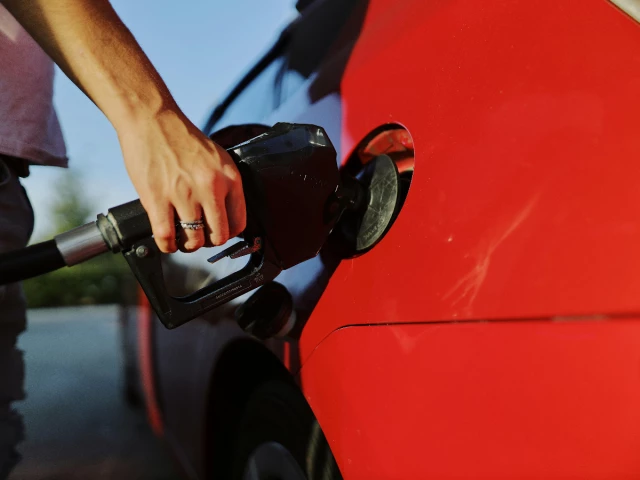
OGRA increased the prices of HSD and gasoline from March 1. PHOTO: PEXELS
ISLAMABAD:
The recent rise in prices of petroleum products has been attributed to the expiration of a temporary concession on oil tax that Prime Minister Shehbaz Sharif had obtained from the International Monetary Fund (IMF) during heightened tensions between Iran and the United States, according to senior government sources.
The sources said that during the Gulf crisis triggered by the Iran-US standoff, Prime Minister Shehbaz personally contacted the IMF Managing Director and sought relief in oil tax to protect consumers from a sharp increase in fuel prices.
According to the sources, the prime minister’s special efforts resulted in the IMF granting Pakistan a two-month oil tax relaxation, thereby allowing the government to avoid passing on the entire burden of rising fuel prices to consumers during this period.
However, the two-month concession has now expired, forcing the government to reinstate the oil tax in line with its commitments under the IMF program.
The sources said that after the temporary relief expired, the government had to increase the tax on petroleum products, which led to the latest increase in fuel prices.
The government on Friday announced a hike in petroleum product prices, including an increase in the gasoline tax, with officials saying the adjustment became necessary after the end of the IMF-approved concession.
The tax increase comes as Pakistan continues to implement tax measures agreed with the IMF as part of its ongoing economic reform program, under which oil tax remains an important source of government revenue.
Jet fuel
The government has increased the price of jet fuel used by commercial airlines by Rs 13.23 per liter following the rise in international oil prices, while also increasing the price of kerosene and increasing the oil tax on petrol.
According to sources, the price of jet fuel (jet fuel) has been increased by Rs 13.23 per liter, taking the new price to Rs 251.02 per litre.
Sources said the increase was necessitated by a sudden rise in global crude oil prices, which pushed up the cost of jet fuel.
The revised price is expected to increase fuel costs for commercial airlines, with jet fuel being one of the largest components of airline operating expenses.
Meanwhile, the government has also increased the price of kerosene by Rs 11.19 per liter.
Following this increase, the new price of kerosene has been fixed at Rs 242.33 per liter as against Rs 231.14 per liter earlier.
Sources further said that the government has also increased petroleum tax on petrol by Rs 9.64 per litre.
With the latest increase, the petroleum tax on petrol has again reached Rs 80 per litre, up from the previous rate of Rs 70.36 per litre, sources said.


