
- Report finds five island nations entirely dependent on vulnerable underwater internet cable
- Accidental anchoring of a ship causes most submarine cable ruptures worldwide each year.
- Small island nations remain dangerously exposed to nationwide internet shutdowns
A new report has highlighted that the world’s 48 island nations, including major economies such as the UK, Japan and Indonesia, rely on just 126 undersea cables for their internet connectivity.
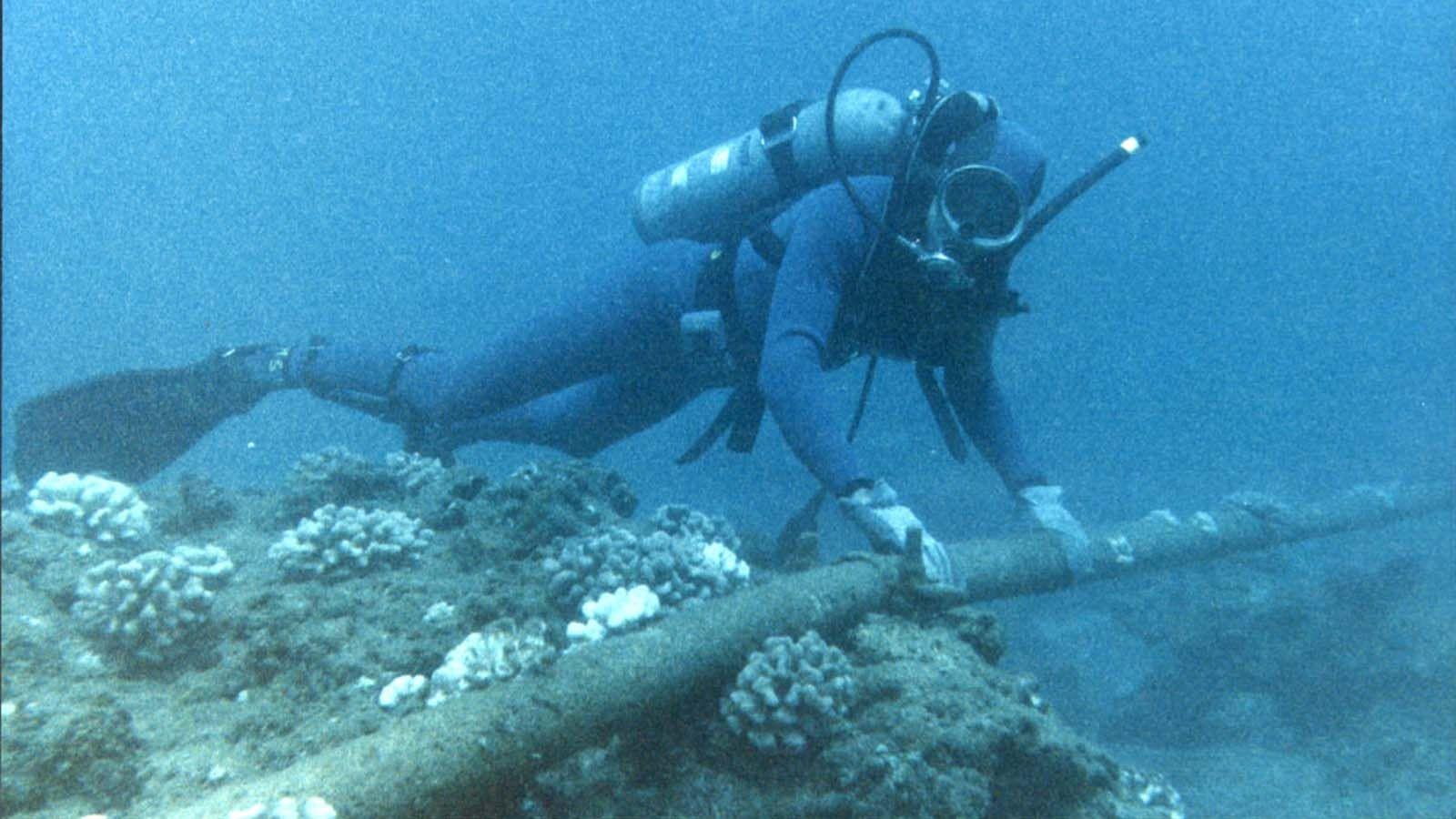
These cables are often no thicker than a garden hose, making them surprisingly vulnerable to accidental damage or deliberate sabotage.
The International Cable Protection Committee reports 150 to 200 defects on submarine cables each year, 70 to 80 percent of which result from accidental human activities such as anchoring, while the rest arise from technical failures, natural disasters or suspected malicious actions that are difficult to prove.

Which island nations are at greatest risk of being isolated?
To determine the level of vulnerability of these island nations, Comparitech analyzed three factors, including the number of cable connections, levels of fishing activity and proximity to active armed conflicts.
The study assigned scores ranging from 0, which represents the lowest risk, to 8, which represents the most severe exposure.
New Zealand received a score of 0 due to its network of more than 10 different cables, its lack of involvement in armed conflict and its relatively modest industrial fishing activity.
Iceland became the most at-risk European nation with an overall score of 5. Brunei and Bahrain each scored 6, making them the most vulnerable Asian island nations in the study.
Five of the smallest and least populated island nations are linked by a single undersea cable, with no backup options available.
Tuvalu relies on the 668 kilometer VAKA cable, which is only a stimulus for a larger regional system.
The initial Nauru connection feeds the 2,250 kilometer Eastern Micronesia cable system, which must be linked to other networks to reach Guam.
Kiribati relies heavily on the 13,700 kilometer Southern Cross NEXT cable for all its connectivity needs.
All countries with a single cable are at high risk, as any interruption to that cable would result in a total outage for the entire country.
For example, in 2022, Tonga lost internet access nationwide for more than five weeks after an underwater volcano cut their only cable connection.
Geopolitical tensions make the seabed a new battlefield
Growing geopolitical sensitivity around submarine cables, as well as reconnaissance reports, show how these systems are increasingly being viewed as strategic military assets.
Iran’s Islamic Revolutionary Guard Corps recently revealed that it had mapped the locations of cables throughout the Strait of Hormuz, putting regional digital infrastructure at risk.
The British military followed Russian submarines carrying out reconnaissance on cables in the North Atlantic Ocean.
China has successfully tested a cable cutting device that works at depths of up to 4,000 meters using advanced manned and unmanned submersibles.
The vulnerability of island nations to submarine cable disruptions depends less on whether outages will occur than on when and with what severity they will be felt.
Connectivity is very concentrated and in some cases depends on single systems or indirect branches that provide no redundancy in the event of a problem.
While large economies like the UK or Japan benefit from significant redundancy and multiple landing points, smaller, more isolated nations remain structurally exposed to complete isolation.
This exposure is compounded by the difficulty of monitoring and protecting infrastructure that spans thousands of kilometers of ocean floor.
Repair fleets have only four dedicated vessels worldwide, while cable ownership is concentrated among a few operators, making new systems too expensive for smaller countries.
Until small countries have alternative connections or dedicated repair ships, they remain one broken cable away from digital obscurity, a vulnerability that adversaries are already mapping.

Follow TechRadar on Google News And add us as your favorite source to get our news, reviews and expert opinions in your feeds.


