- Brent jumped above $104 a barrel.
- Netanyahu demands withdrawal of uranium.
- The foreign ships warned Hormuz.
WASHINGTON (Reuters) – U.S. President Donald Trump on Sunday called the conditions imposed by Iran to end the Middle East war “totally unacceptable”, raising the likelihood of a resumption of conflict after weeks of negotiations.
Iran responded earlier in the day to Washington’s latest peace proposal, while warning that it would not hesitate to retaliate against any new US strikes or allow more foreign warships into the Strait of Hormuz.
Trump himself provided no details about Tehran’s counterproposal, but in a brief message on his Truth Social platform he made clear that he rejected it.
“I just read the response from the so-called ‘representatives’ of Iran. I don’t like it – TOTALLY UNACCEPTABLE!'” Trump said.
The back-and-forth came as Israeli Prime Minister Benjamin Netanyahu – whose forces launched war against Iran alongside the US military on February 28 – insisted that the conflict would not be over until Iran’s enriched uranium was removed and its nuclear facilities dismantled.
Tehran has publicly maintained its line of defiance, despite behind-the-scenes diplomacy.
“We will never bow to the enemy, and if it is a question of dialogue or negotiation, it does not mean capitulation or retreat,” Iranian President Masoud Pezeshkian said on X on Sunday.
According to the public channel IRIBTehran’s response to the American plan, transmitted to Pakistani mediators, focuses on ending the war “on all fronts, particularly in Lebanon” – where Israel has continued its fight against Iran-backed Hezbollah – as well as “guaranteeing the security of maritime transport”.
It offers few details, although the U.S. proposal would have focused on extending the Gulf truce to allow negotiations on a final settlement to the conflict and Iran’s disputed nuclear program.
The standoff has roiled global energy markets, with oil prices opening sharply higher on Monday. International benchmark Brent crude jumped 2.69% to $104.01 a barrel during July delivery.
Netanyahu said in an interview broadcast Sunday that Iran’s stockpiles of enriched uranium must be removed before the war can end.
“It’s not over, because there are still nuclear materials – enriched uranium – that need to be removed from Iran. There are still enrichment sites that need to be dismantled,” Netanyahu said. CBS “60 Minutes.”
He added that Trump is on the same page about enriched uranium, although the president said in a recent interview that the United States can withdraw it “whenever we want” and that enriched uranium is “very well monitored” where it is now.
Trump is expected to press Chinese President Xi Jinping – a major buyer of Iranian oil – on Iran when he visits Beijing next week, a senior US administration official said.
No “interference” from Hormuz
In the meantime The Wall Street Journalciting people familiar with the matter, said Iran had presented its own demands to Washington and offered to dilute part of its highly enriched uranium and transfer the rest to a third country.
In its response, transmitted through Pakistan, Iran sought guarantees that the transferred uranium would be returned if negotiations failed or if Washington abandoned the deal later, sources told the newspaper. Newspaper.
Trump made no mention of these details in dismissing the Iranian response.
Iran imposed a blockade on the vital Strait of Hormuz at the start of the war, sending global oil prices soaring and roiling financial markets.
The country has since set up a payment mechanism to charge tolls from ships passing through the strait, but US officials have stressed that it would be “unacceptable” for Tehran to control an international waterway and the route to a fifth of the world’s oil and other vital materials.
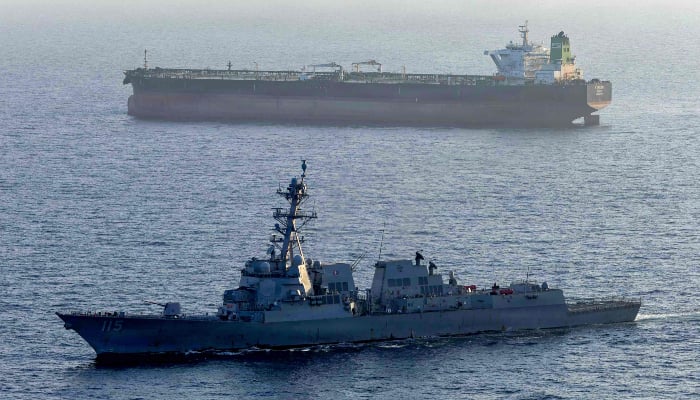
Meanwhile, the U.S. Navy is blockading Iranian ports, sometimes disabling or diverting ships to and from them.
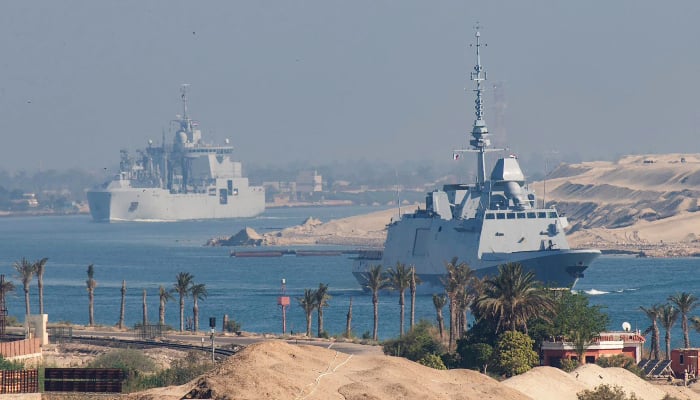
Britain and France are leading efforts to create an international coalition to secure the strait after reaching a peace deal, with both countries sending ships to the region in advance.
The two countries will host a multinational meeting of defense ministers from more than 40 countries on Tuesday on military plans to restore trade flows across the Strait of Hormuz, the British government said.
But Iran warned on Sunday that Britain and France would encounter “a decisive and immediate response” if they deployed their ships in the strait.
“Only the Islamic Republic of Iran can establish security in this strait and it will not allow any country to interfere in such matters,” Deputy Foreign Minister Kazem Gharibabadi said on X.
French President Emmanuel Macron then affirmed that his country had “never considered” a naval deployment in Hormuz, but rather a security mission “coordinated with Iran”.
“End of detention”
New drone attacks on Sunday in the Gulf were the latest to shake the ceasefire after several recent outbreaks of violence.
The United Arab Emirates said its “air defense systems successfully engaged two drones launched from Iran.”
Kuwait also reported an attempted attack, saying its armed forces faced “a number of hostile drones in Kuwaiti airspace.”
And Qatar’s Defense Ministry said a cargo ship arriving in its waters from Abu Dhabi had been hit by a drone.
There was no immediate claim of responsibility, but Iran Fars The news agency reported that “the bulk carrier that was struck near the coast of Qatar was sailing under the American flag.”
In a message posted on social media on Sunday, the spokesperson for the Iranian parliament’s national security committee warned Washington: “Our restraint is over as of today.”
“Any attack on our ships will trigger a strong and decisive Iranian response against American ships and bases,” Ebrahim Rezaei said.