
The limit on CBDCs expires at the end of 2030, although there is little chance of a Fed digital currency being implemented by then. Appetite is limited at the central bank, where its previous leaders — even before Trump’s new Fed Chairman Kevin Warsh arrived — had long said such an effort would require White House support and congressional authorization. There has never been broad support for a CBDC in Congress.
But the idea – heavily contested by the crypto industry due to its potential to compete with privately issued stablecoins – has been pursued in other countries, such as Europe and China, and has become a popular policy target for US politicians. The Republicans therefore succeeded in inserting it into independent legislation on housing, after having tried to include it in a series of bills, notably the Foreign Intelligence Surveillance Act.
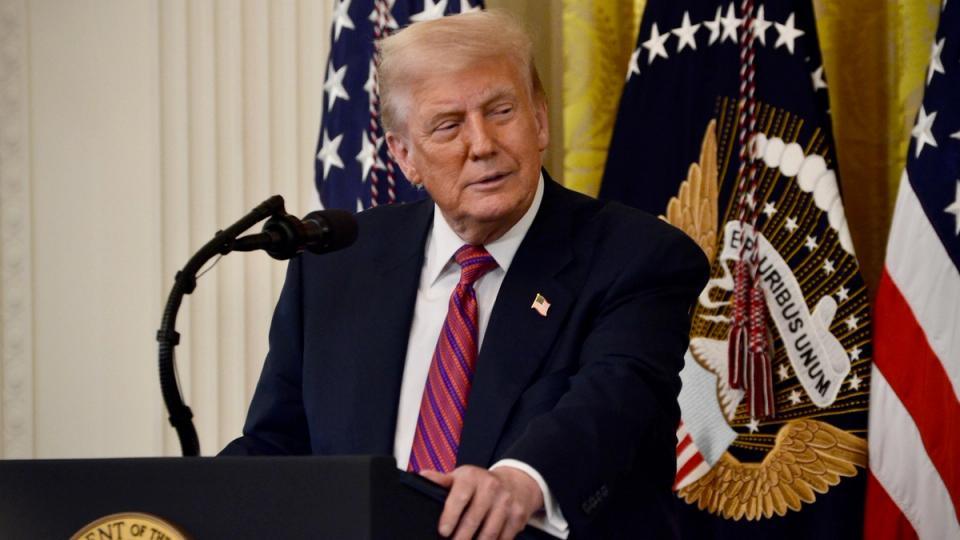
Despite the housing bill’s overall popularity, Trump took an unexpected and last-minute stance against signing it, for which he had already scheduled a ceremony and had a stage erected. He said he wouldn’t sign anything until lawmakers approve a bill that would impose new proof of citizenship and identity checks on voters — an effort that currently doesn’t have enough support to pass in Congress.


