
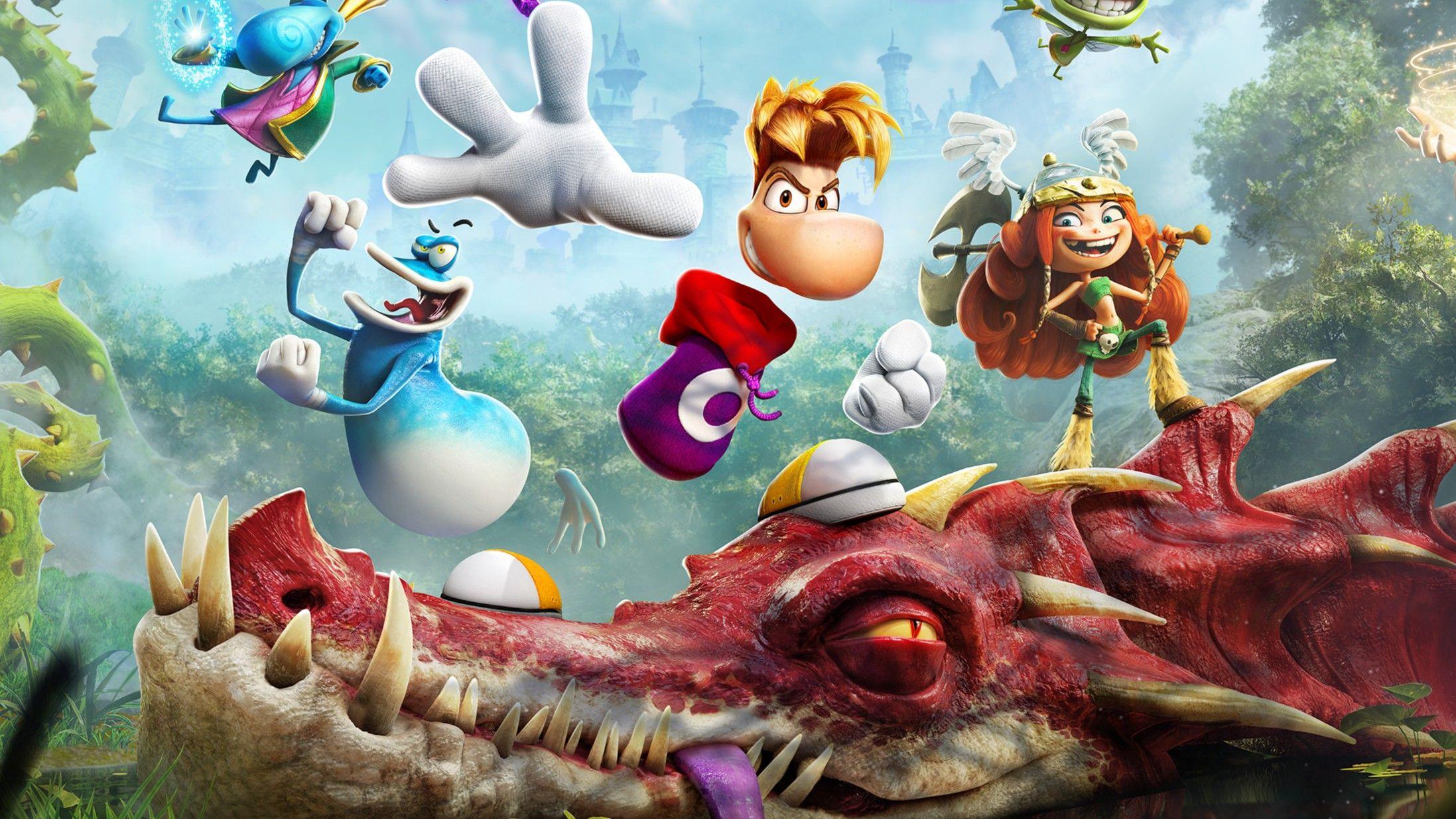
Rayman Legends told has finally been announced, and chances are it’s the thing you’ve been most focused on – aside from why to remake this game of all Rayman titles – it’s the new art. Rayman Legends is timeless; it looked incredible in 2013, and 13 years later it’s still considered one of the most gorgeous platformers ever made.
At Ubisoft Montpellier, I spoke to Desislava Tanova, Associate Art Director, and Alice Pisoni, Associate Art Director, and delved deeper into the changes in this new version. “Of course we felt the pressure to take such a well-known brand and such a beloved art style and make something different with it,” Pisoni told me, “it wasn’t an easy path, but we were all very happy to be able to get our hands on something so beautiful and to have the opportunity to create something of our own, but still staying true to the original.”
However, as we all know, translating a 2D cartoon into a realistic art style is tricky – just ask the producers of the Sonic movie – so I had to ask how the team approached this and straddled the line of what’s Also realistic to work in this series.

“We have a great design team,” says Tanova, “So the language was defined and we translated it into 3D.”
She explains that it was about finding the balance between the interesting shapes of the Rayman cast iron and the materials used for them. You can spot the fabric details on Rayman’s hoodie and gloves, or Globox’s amphibian-like skin.
Pisoni notes that in LegendsRayman’s face was a “normal flat pink”, while this new 3D model allows them to manage freckles and pores. Although I didn’t get a chance to play at the level, the model of El Luchador was shown to us, and the details of his jersey, right down to the slightly greasy hair on his chest, were undoubtedly impressive.
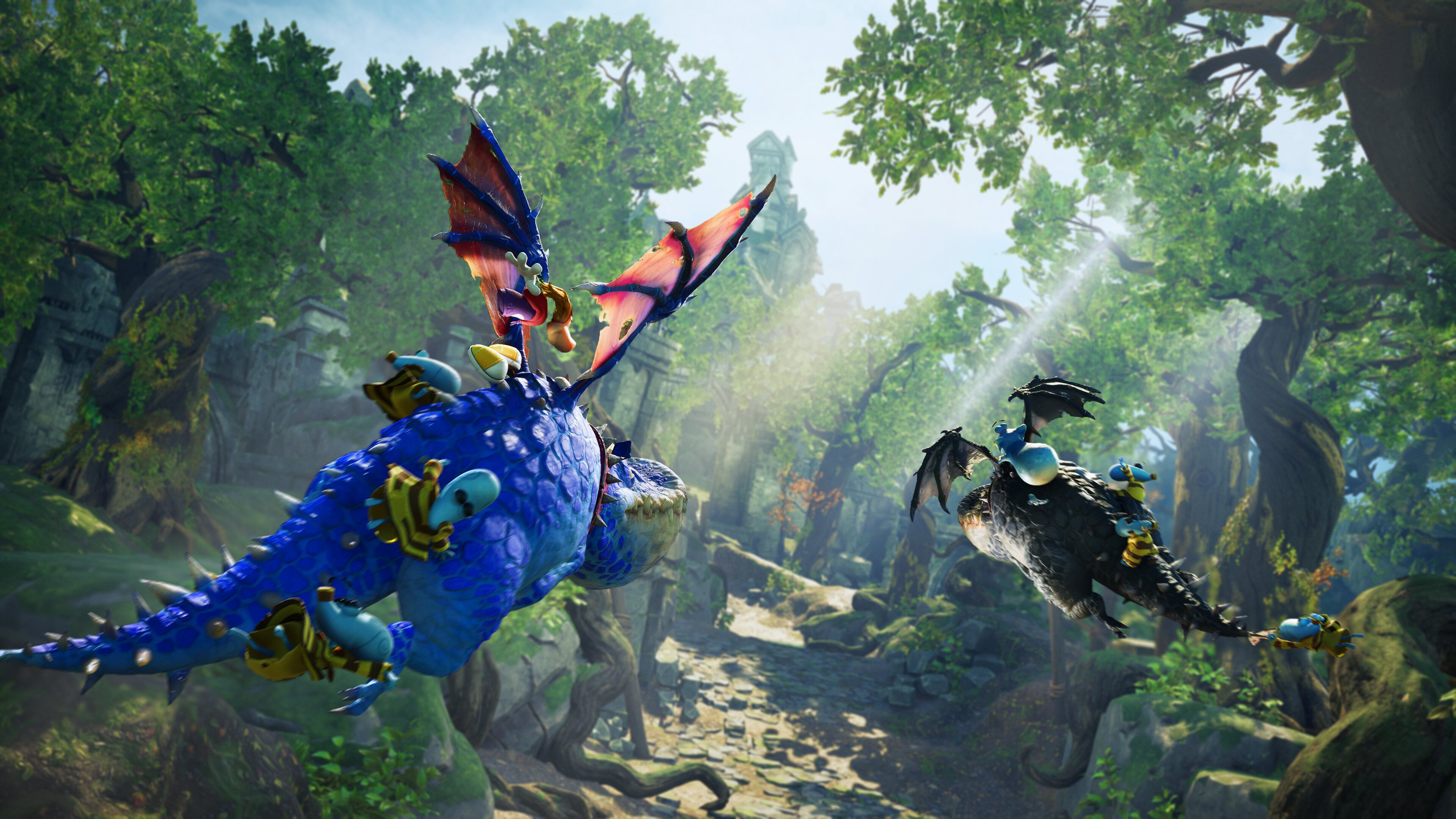
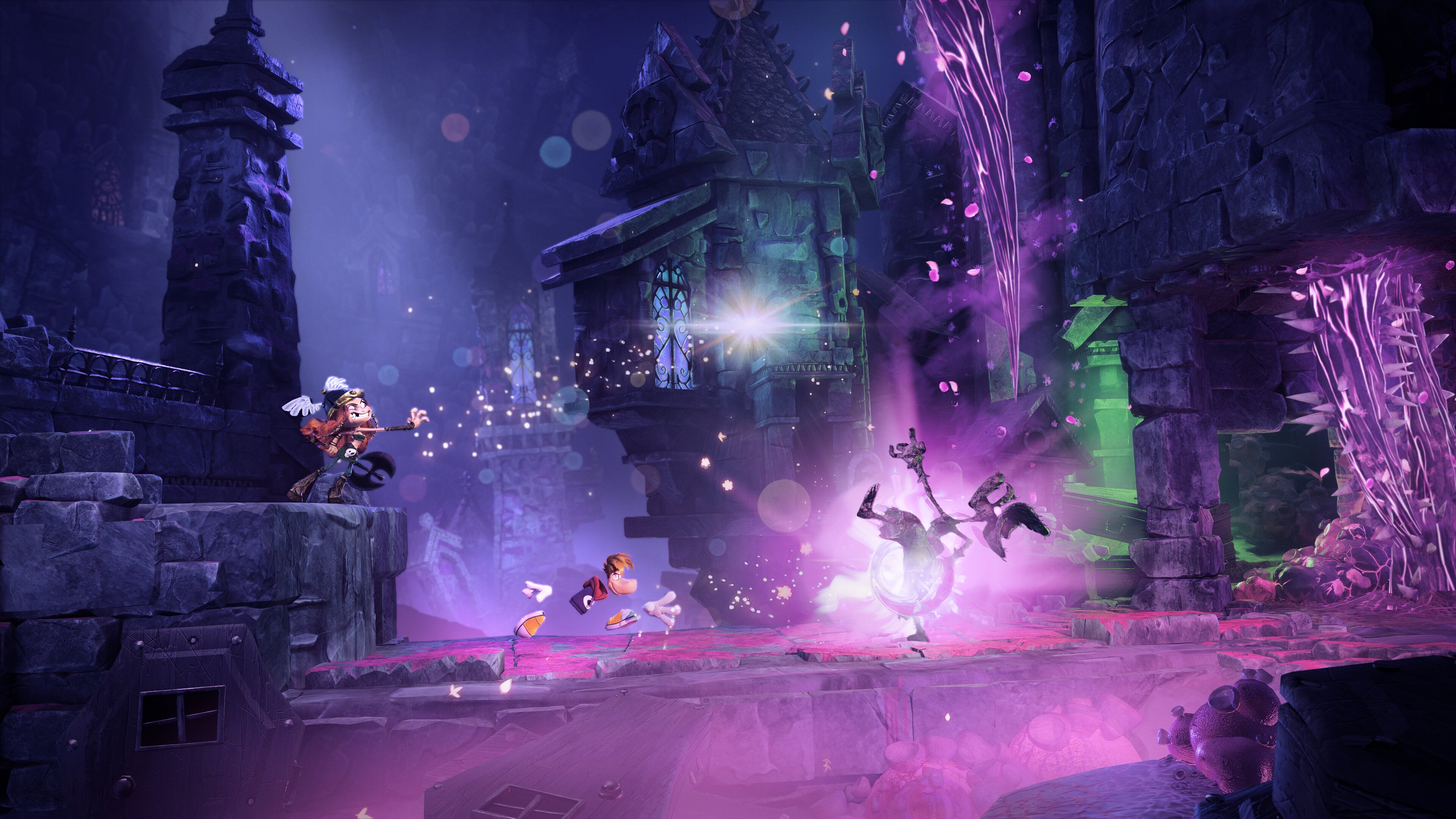
When it comes to environments, Pisoni told me, “One of our main goals is to make the player stop, pause, and just look at what’s actually happening in the environment.” And this is one area where Legends Retold gives the original game a run for its money. The backgrounds are absolutely stunning and allow for little details – which, admittedly, you’ll probably miss if you run through the levels.
These include somewhat comical set pieces like seeing the boss frog from world two bathing in the background of the hub or bits of world building like skeletons hanging in the dungeons or little bunnies going to their huts in the swamp. Tanova explains: “From the beginning, the idea was to improve it, to tell a deeper visual narrative, and that comes naturally with adding details and animated background elements. »
Tanova adds that the team had to “keep the balance between the background and the playing field, because it has to be very readable.” Pisoni adds: “When you have games with completely complicated gameplay, we try to keep the background as simple as possible.”
In its recent earnings report, Ubisoft said it was “leveraging AI to improve player experiences and drive creativity and team efficiency,” and with an announcement like that, it’s only natural that people would look at every project from that perspective.
I asked the artists about it and got a direct answer we want to hear: “We don’t use AI in the project; everything is done by hand,” says Tanova, adding that “our goal” is to approach it “through the eye of an artist, so that everyone can get involved in the process.”
While the more realistic art style is certainly a different take on the franchise – and I’m sure people will be completely normal – after my hands-on with the game, it’s a version I see the merits of. Some parts seem a little off, that’s for sure (again, I Really I don’t like Rayman’s Teeth), but the lighting changes, use of camera angles, background details, and rampant life scattered throughout the areas give this version of the game something over the original.

Follow TechRadar on Google News And add us as your favorite source to get our news, reviews and expert opinions in your feeds.


