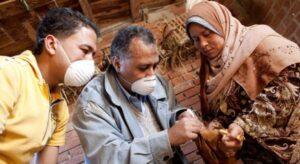
In eastern DRC, UN agencies are supporting national health authorities through Ebola treatment centers, case management, surveillance efforts and the delivery of essential medicines and medical supplies.
According to Congolese authorities, more than 90 percent of reported cases are concentrated in Ituri province, although infections have also been detected in North and South Kivu.
The response has been complicated by attacks on frontline workers, particularly during safe burial operations, as well as persistent rumors and mistrust that continue to undermine public health measures.
Prevention measures
Meanwhile, in Uganda, the UN is supporting government-led efforts to contain the outbreak through national coordination structures.
The authorities, with technical support from WHO, are carrying out contact tracing, surveillance, infection prevention and public awareness campaigns.
Uganda has expanded screening to 31 priority entry points, including Entebbe International Airport, while rapid response teams and mobile laboratories have been deployed to strengthen surveillance of travel and cross-border movements.
UN agencies, including UNICEF, IOM and UNHCR, continue to support community awareness, testing and surveillance efforts to prevent further spread of the virus.
Refugees from East and Southern Africa have been in exile for decades
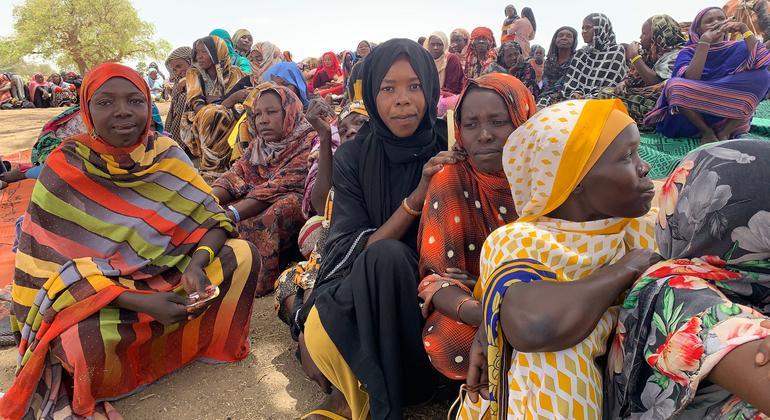
Refugees in eastern and southern Africa have remained displaced for around 16 years, according to a new analysis from UNHCR, the UN refugee agency, highlighting the need for stronger long-term solutions beyond emergency aid.
Drawing on registration data from 2001 to 2025, the analysis found that 6.4 million refugees and asylum seekers lived in the region at the end of 2025.
Many refugees have fled conflict and instability in countries such as Sudan, South Sudan and Somalia, seeking refuge mainly in neighboring countries.
“Asylum saves lives, but after nearly 16 years of living in uncertainty, refugees need more than help; they need hope, opportunity and a way forward,” said Mamadou Dian Balde, UNHCR regional director for Eastern and Southern Africa.
Increased vulnerability
Children are among the most affected. Refugees registered before the age of five remain displaced for a median of more than 18 years, often spending their entire childhood and reaching adulthood without a durable solution.
“No child should have to grow up with a future clouded by uncertainty,” Mr. Balde said. “An entire generation of refugee children begins their adult lives in exile.
UNHCR warned that protracted displacement risks creating generations dependent on humanitarian aid and called for greater support to expand opportunities for refugees to return home safely, access education and work, and rebuild their lives with dignity.
UN calls for restraint amid escalating political tensions in Somalia
UN Secretary-General António Guterres has expressed concern over renewed violence in Somalia after heavy gunfire erupted in central Mogadishu.
Media reports indicate that former Prime Minister Hassan Ali Khaire accused government forces of attacking him ahead of the planned protests.
The Secretary-General stressed the urgent need for all stakeholders to resume dialogue and identify a path forward that preserves the progress Somalia has made in recent years, while ensuring the protection of civilians and civilian infrastructure.
He called on all parties to exercise maximum restraint, avoid any action that could fuel further violence, and resolve political differences through peaceful dialogue.
Warnings of a repeat of past crisis
The United Nations Transitional Assistance Mission in Somalia (UNTMS) said it and its international partners have repeatedly warned of the risk of a repeat of the political crisis seen in 2021 due to disagreements over the electoral roadmap.
The mission noted that these warnings had not been heeded and urged Somali leaders to prioritize the national interest and resume talks which ended on May 15.
International partners, he added, remain ready to support and facilitate renewed dialogue.