
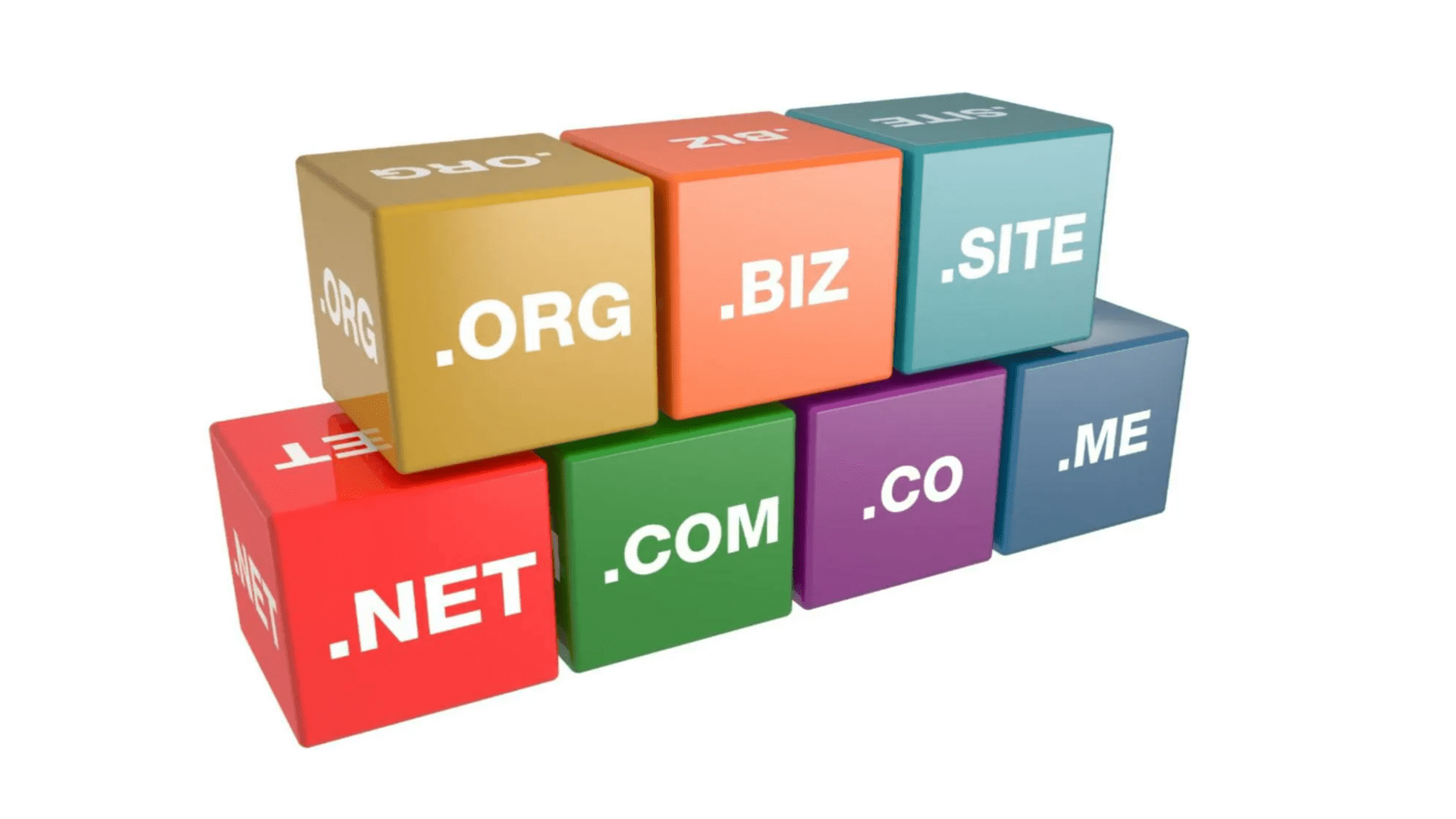
- ICANN reopens applications for new top-level domains after 14 years
- New domains can use multiple scripts in hundreds of languages
- Applicants must demonstrate their technical and financial capacity to manage records
The Internet Corporation for Assigned Names and Numbers (ICANN) has opened the application window for a new round of generic top-level domains (gTLDs).
This is the first time in 14 years that businesses, communities and governments can apply to operate their own top-level domains.
The previous cycle, in 2012, introduced more than 1,200 new gTLDs, including well-known examples like .google, .microsoft, .africa and even .bananarepublic.

What is a gTLD and who can get one
A generic top-level domain is the part of a web address that appears after the last period.
Traditional examples include .com, .org and .net, but the new round allows custom strings such as .brand, .city or .industry.
Any business, community, government or organization can apply to operate their own top-level domain.
The applicant must demonstrate technical and financial capacity to manage a domain registry, but it is not necessary to be a large company.
Small towns, nonprofits, trade associations and even high-net-worth individuals can apply.
ICANN now accepts applications in 27 different scripts, representing hundreds of languages, including Arabic, Chinese, Devanagari and Thai.
Successful applicants control who can register domains under the chain of their choice, creating their own digital ecosystem.
This expansion will make the Internet more accessible to the billions of people who use non-Latin scripts.
Why brands and cities are lining up to apply
Operating a gTLD offers several distinct advantages to organizations willing to pay the application fee.
Brand owners benefit from tighter security controls over their online presence and can build customer trust with verified domain registrations.
Marketers overwhelmingly agree on the benefits, with 92% agreeing that gTLDs provide differentiation, increased trust and improved search engine optimization.
Geographic locations such as cities or regions can create vibrant local digital ecosystems under their own top-level domain.
Communities can strengthen their online identity while maintaining full control over who participates in their domain space.
The application window will close on August 12, 2026, giving interested parties just over three months to apply.
The online TLD Application Management System manages all submissions and ICANN has published an Application Guide as an authoritative resource for the process.
For wealthy and influential individuals like President Trump, the .trump domain is within their reach.
That would give him exclusive control over every domain ending in his own last name, a powerful digital asset for fundraising and messaging.
The 2026 cycle could produce hundreds of new top-level domains, and speculation about who is applying for what has already begun.
Follow TechRadar on Google News And add us as your favorite source to get our news, reviews and expert opinions in your feeds.


