
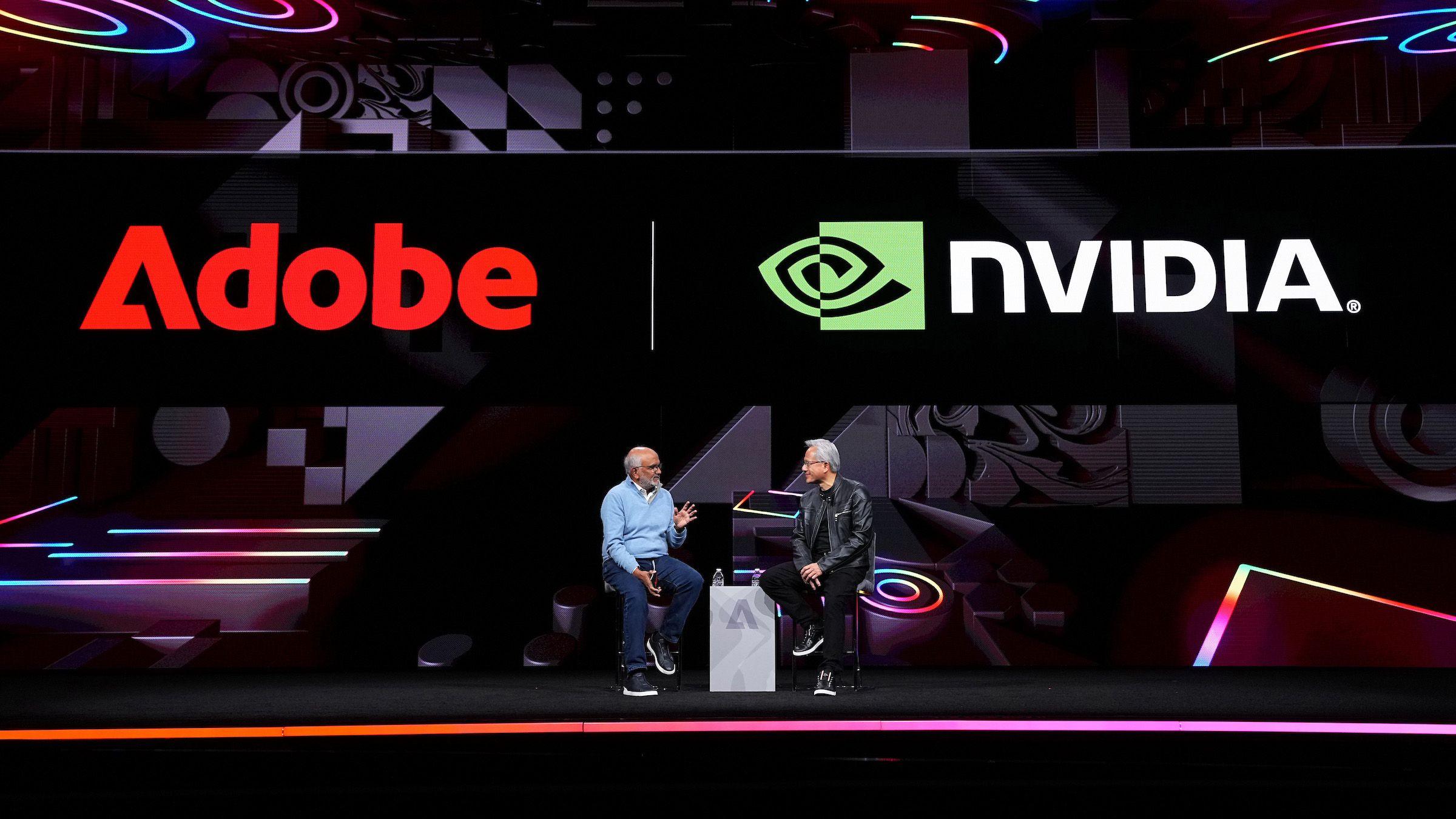
- Huang remembers when radiologists worried about AI’s ‘superhuman’ powers
- AI actually allows us to reframe what is important within the purpose of a role
- Job tasks are under threat, but job roles are not
Speaking on stage at Adobe’s flagship annual conference, Summit 2026, Nvidia CEO Jensen Huang addressed fears that artificial intelligence could replace skilled professionals with an anecdote that proves just the opposite.
More than a decade ago, when the first use cases of AI began to appear in radiology, clinicians were already worried that their jobs would be wiped out as AI systems became “superhuman” at analyzing medical exams.
Instead, Huang said, quite the opposite has happened and we continue to see a high demand for radiologists who can now treat more patients than ever before.
Article continues below
Leader of a global AI superpower not worried about job cuts
Today, AI is integrated into virtually every aspect of radiology workflows, from interpreting exams with great speed and accuracy to the administrative parts of the job, and there are actually more human radiologists than before AI.
The reason, according to Huang, is that AI allows us to define roles differently. It all comes down to one crucial distinction: the difference between the tasks of a job and the purpose of a job. While AI replaces human labor in terms of tasks, it allows workers to align outcomes with their true purpose.
In this case, the task of studying the exams has been heavily automated, but the goal of working with clinicians and patients to diagnose and manage disease remains deeply human. The net positive effect is that faster and cheaper diagnoses mean more tests are ordered, thereby increasing the overall demand for this work and, in this case, also improving health care.
Speaking to Adobe CEO Shantanu Narayen, Huang admitted that not all jobs will escape this unscathed. The implications of AI require that demand for the purpose of work can increase and that human judgment remains central.
So while jobs that consist primarily of repetitive administrative tasks may still be at risk, Huang’s example in radiology is an important argument that AI is less about replacing human skills and more about removing constraints.
Follow TechRadar on Google News And add us as your favorite source to get our news, reviews and expert opinions in your feeds.


