
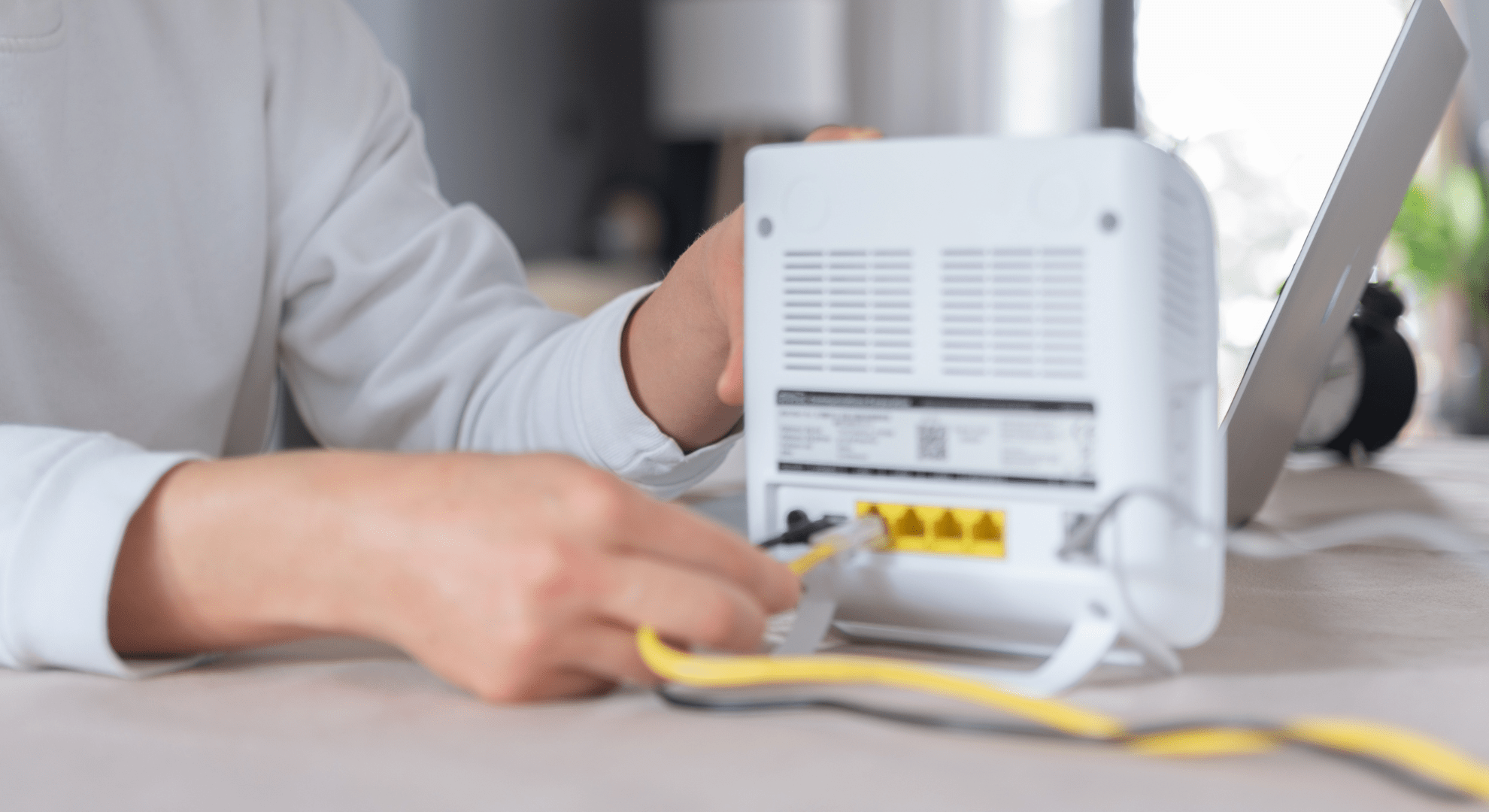
- Old routers quietly cripple expensive broadband plans in daily overcrowded modern homes
- Millions still relied on standardized wireless technology before the global explosion of modern streaming
- New smartphones lose key performance benefits when paired with outdated home routers
Global Internet connectivity relies largely on internal wireless infrastructure, but much of the world’s traffic remains tied to very outdated hardware, according to a new study.
Ookla’s results claim that legacy systems like Wi-Fi 4 (launched in 2009) still maintain an alarming 33.2% share of all network samples worldwide.
This basic status means that hundreds of millions of consumers remain tied to a technical infrastructure standardized over the previous decade.

The silent crisis hidden in plain sight
Industry analysts observe that while consumers regularly upgrade their mobile devices, residential infrastructure updates follow a much slower trajectory.
This creates a structural bottleneck in which advanced and modern terminals operate below their intended operational capabilities due to outdated local equipment.
The main operational constraint of existing hardware is signal congestion in traditional frequency bands, particularly the legacy 2.4 GHz spectrum.
Modern network requirements require wider lanes, but global data confirms that the standard 5 GHz band carries approximately 60% of today’s wireless traffic.
Wi-Fi 7 – the latest generation, certified by the Wi-Fi Alliance in 2024 – represents only 1.8% of global samples, but Wi-Fi 5 retained 38.3% while Wi-Fi 6 accounted for 26.7%.
Omdia projects that the installed base of Wi-Fi consumers will grow at a compound annual rate of 35.2%, reaching 13.8% by 2030. This trajectory is ambitious, but the current baseline is sobering.
Your router may become the weakest link
The problem is not just aesthetic; Wi-Fi 4 and Wi-Fi 5 devices are physically unable to access the 6 GHz spectrum band, which Wi-Fi 6E and Wi-Fi 7 rely on.
A user with a brand new 6 GHz compatible smartphone plugged into an old router simply cannot access this spectrum.
Today’s homes often simultaneously connect smartphones, streaming TVs, surveillance cameras, gaming systems, smart devices, and remote work tools through a single wireless network.
Older Wi-Fi hardware was never designed for these increasingly crowded digital environments, especially in apartment buildings and densely populated cities where wireless interference frequently disrupts connectivity.
Congested networks can reduce speeds, increase latency and create unstable connections, affecting video calls, cloud gaming and smart home systems.
Ookla said Wi-Fi is the “last-mile workhorse” carrying most domestic Internet traffic, meaning outdated routers are increasingly creating bottlenecks, even where the broadband infrastructure itself has improved significantly.
Consumers who pay for faster broadband plans may therefore see lower real-world performance because older routers cannot effectively distribute those speeds indoors.
The limitations are becoming more evident as Internet service providers develop multi-gigabit broadband plans requiring new wireless standards capable of handling higher throughput.
Wi-Fi 7 routers, for example, can theoretically support speeds up to 46 Gbps using wider 320 MHz channels in the 6 GHz spectrum band.
But popular Wi-Fi 4 routers can reach 600 Mbps at best in ideal conditions – a ceiling so low that it struggles to keep up with modern 4K streaming.
Even though users already pay for Gigabit broadband plans, they never take full advantage of them inside.

Follow TechRadar on Google News And add us as your favorite source to get our news, reviews and expert opinions in your feeds.


