
2025 will be remembered as the year that, while we were still waiting for a truly smarter, AI-infused Siri, Apple introduced the next generation of AirPods Pro, an ultra-thin iPhone, took its Pro iPhones to the next level, and delivered fast Macs in multiple models.
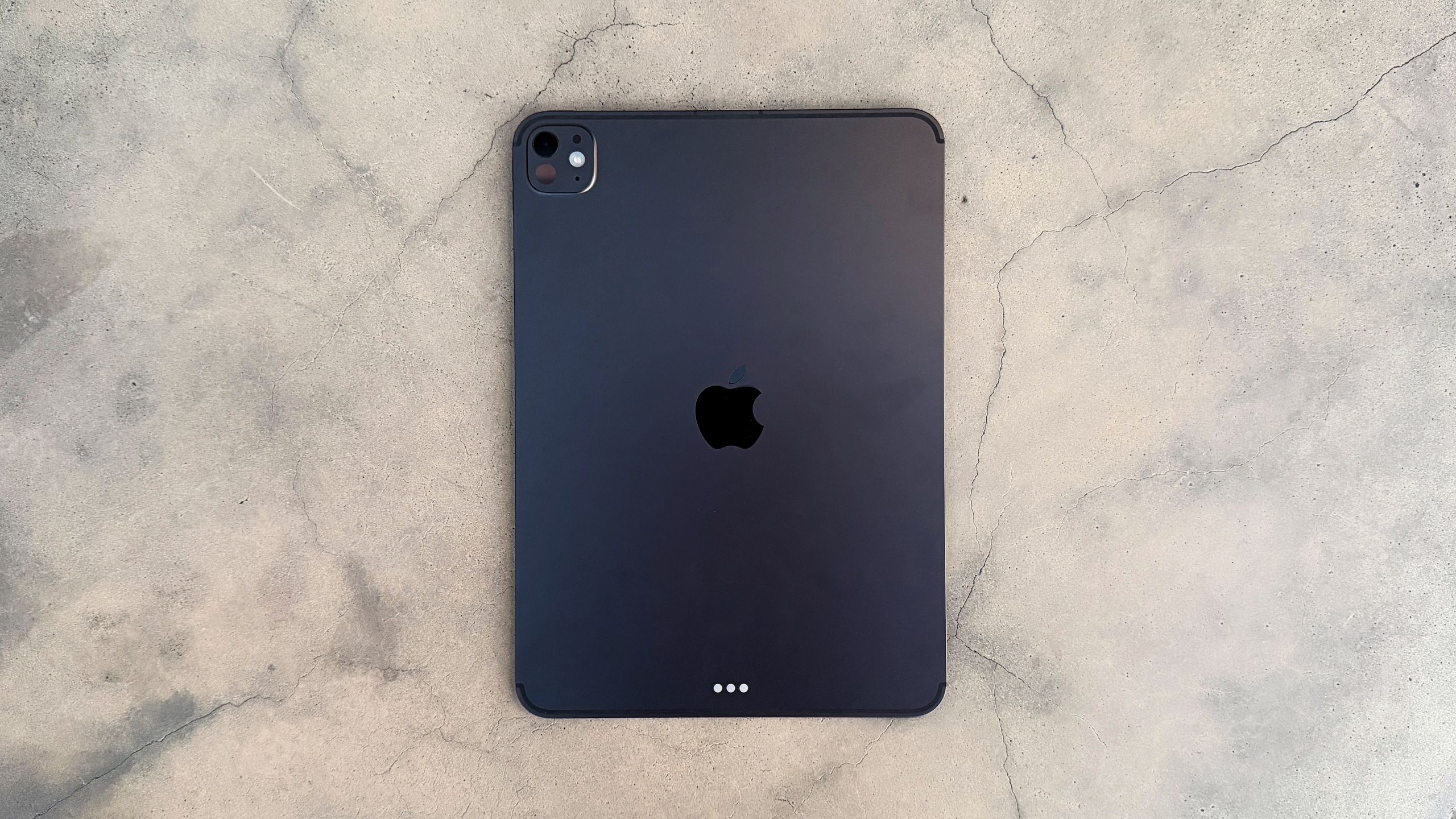
But perhaps the most interesting additions were those to Apple’s iPad line. We have three new models: the entry-level 11th generation iPad, the iPad Air with M3 chip, and the iPad Pro with M5. There was nothing new in terms of design, but, with a nod to Bruce Springsteen, it was all about fuel injection rather than chrome wheels.
Apple showed more of its cards with the iPad than ever before
It’s clear that Apple has been doing a balancing act with the iPad for many years: many users rely on their tablets for a mix of entertainment and productivity, and want their iPad to be the one device that rules them all.
Much of what iPadOS 26 brought was focused on productivity, in the form of a proper menu bar and dock; more flexible, reliable and customizable multitasking; a major update to the Files app; and support for background tasks. It looks more like macOS than ever, including red, yellow, and green buttons to close, minimize, and maximize windows, and even a menu bar that looks straight out of macOS. We got a Mac-like experience in a form factor that offers easier portability, unique experiences, and – perhaps most importantly – input flexibility.
You can use iPad with your fingers, a trackpad, Apple Pencil, or even a connected mouse or trackpad. It’s an extremely versatile device, but given how far Apple had pushed performance – remember the redesigned iPad Pro launching in 2024 with the M4 chip, before that piece of silicon reached the Mac – the company needed to offer a more robust software experience. As my colleague Lance Ulanoff learned from Apple’s top executives, this was something the company had been working on for some time.
iPadOS 26 shipped with most of its promised features in September 2025. I’ve used it on a wide range of iPad models, including the current 11th generation lineup (mini, Air, and Pro) and the entry-level 9th generation iPad – while this model isn’t as capable as the 11th generation iPads or the iPad Pro, software upgrades have blurred the lines between the models in terms of performance.
As I wrote shortly after Apple revealed the new software, while it was still in beta, it was an upgrade designed specifically for the iPad – one that was aimed at the iPad faithful and stayed true to Apple’s philosophy. It didn’t blow up the classic iPad experience, but it did introduce a familiar, easy-to-understand way of managing windows. It also offered more advanced features aimed at users who were already getting the most out of the iPad experience.
Operate the equipment
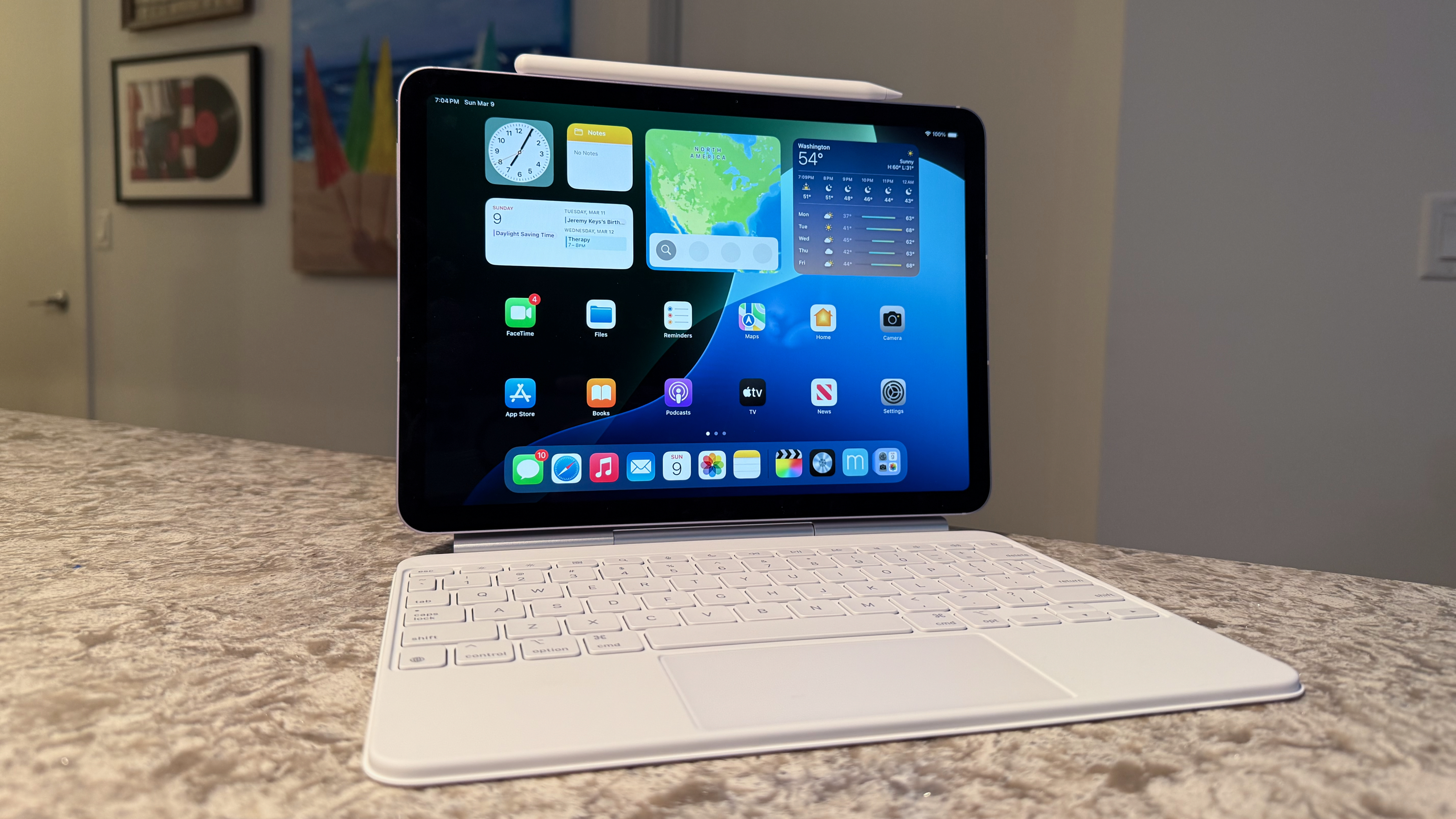
I’ve reviewed every iPad Apple has released this year, and the common theme is improved speed, to the point where the benefits you’ll get from upgrading to Pro are less obvious than before. The iPad Air, now in its second generation, comes in two sizes and is truly stunning, even if it’s not as ultra-thin as the iPad Pro.
In an 11-inch or 13-inch size, with fun colors to choose from, long battery life, support for key accessories like the Magic Keyboard and Apple Pencil, and with the M3 chip now under the hood, this really feels like the model to choose if you want a larger size without the premium Pro price and don’t need enough power to use it as your primary device.
It’s a very capable device and one that I keep coming back to, even after testing the latest generation iPad Pro with the M5 under the hood. If you don’t need the extra vibrancy or contrast capabilities of the OLED screen or Face ID – although I wish it was on more models – it really comes down to budget.
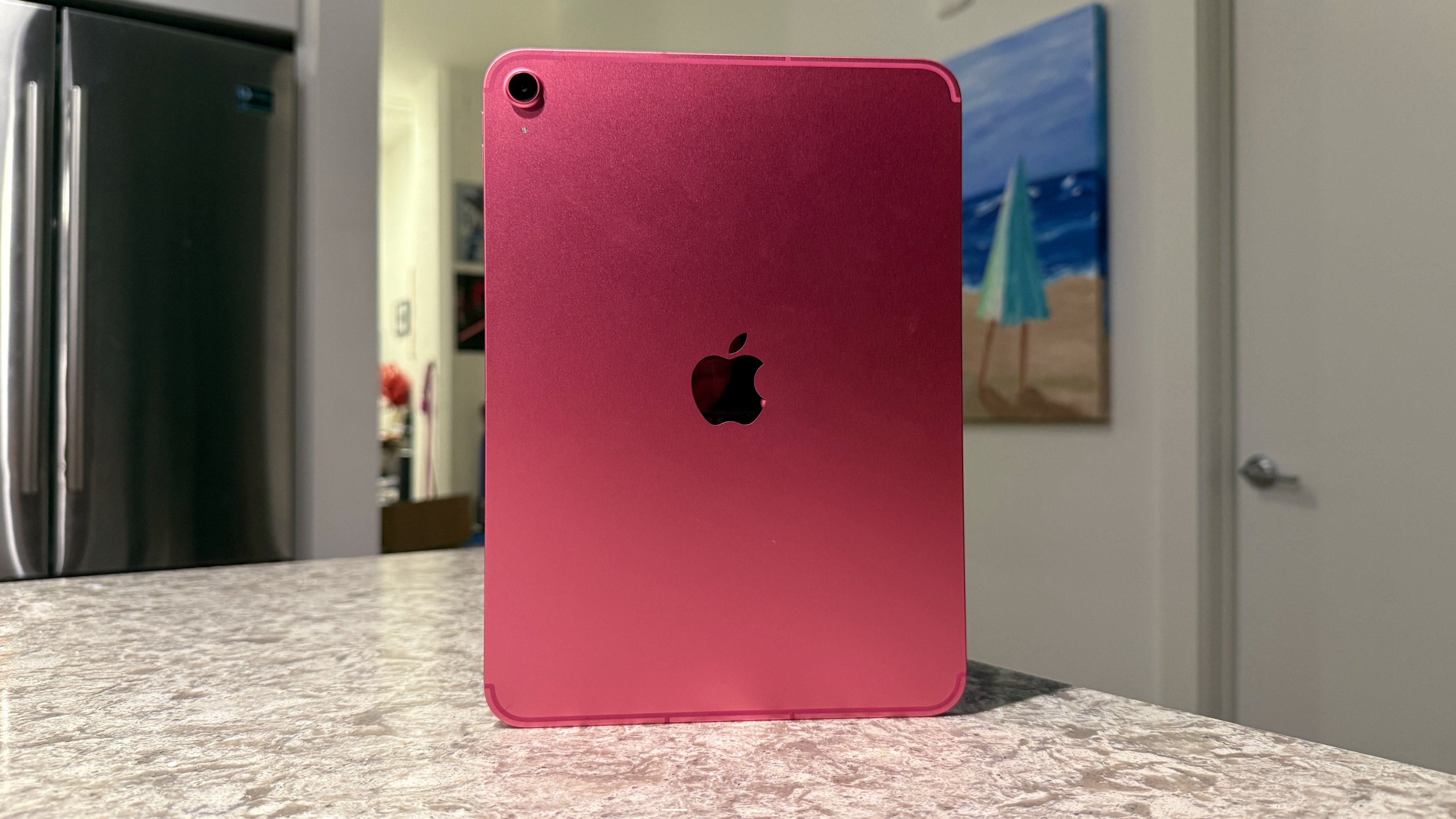
The 11th generation iPad – Apple Pencil quirks aside – which further complicates your choices, is an excellent model and probably the best iPad for most users. The A16 Bionic chip under the hood provides plenty of headroom for work or play, and while it doesn’t support Apple Intelligence, that doesn’t really matter here. It ticks the boxes for what you want from an iPad and at an affordable price.
The iPad mini hasn’t received an update, which means the dream of an OLED display this size is just that for now. But even this device supports iPadOS 26’s new windowing, making the case for a Magic Keyboard even more palpable than in previous years. Please, Apple.
Look on it
What does it have in store for us in 2026?
While I can’t predict the future, Apple’s constant rumors give us an idea of what we can expect from Apple in 2026, and it’s also instructive to look at what Apple has done this year. I think the next entry-level 12th generation iPad could arrive at some point in the coming year, but don’t expect a treasure trove of new features.
I think the big upgrade here will be a better Apple A-series chip that is not only more efficient, but also adds support for Apple Intelligence. Hopefully whatever version of iPadOS comes next will also arrive, finally, with AI-infused Siri. Likewise, rumors suggest that the iPad Air will retain the same look and features, but will benefit from a slightly faster M-series chip, likely the M4.
Basically, this would be a carbon copy of Apple’s approach to iPad upgrades that we saw this year and last year. Bloomberg’s Mark Gurman reported that new entry-level upgrades for the iPad and iPad Air will likely arrive sometime in 2026.
The most exciting model we might see next year is an iPad mini with a refreshed design, a better chip, and an OLED display. This probably wouldn’t happen until the second half of the year, and there have also been reports that it could be a more water-resistant case.
The smaller iPad will likely be the most exciting change next year, while the iPad Pro could receive a chip upgrade, although nothing major in terms of redesign is expected until 2027, according to recent reports.
Where we might see more interesting developments is in the refinement of the new iPadOS experience and the introduction of new features – perhaps more customization around windowing to start. This is one of the key ways Apple can improve the experience for people who already own an iPad and potentially entice others to upgrade.
But if Tim Cook is listening, let’s keep the list of supported models long when it comes to future updates. I think this is one of the main reasons why 2025 was such a success for iPadOS 26 and iPad as a whole.
Follow TechRadar on Google News And add us as your favorite source to get our news, reviews and expert opinions in your feeds. Make sure to click the Follow button!
And of course you can too follow TechRadar on TikTok for news, reviews, unboxings in video form and receive regular updates from us on WhatsApp Also.


