
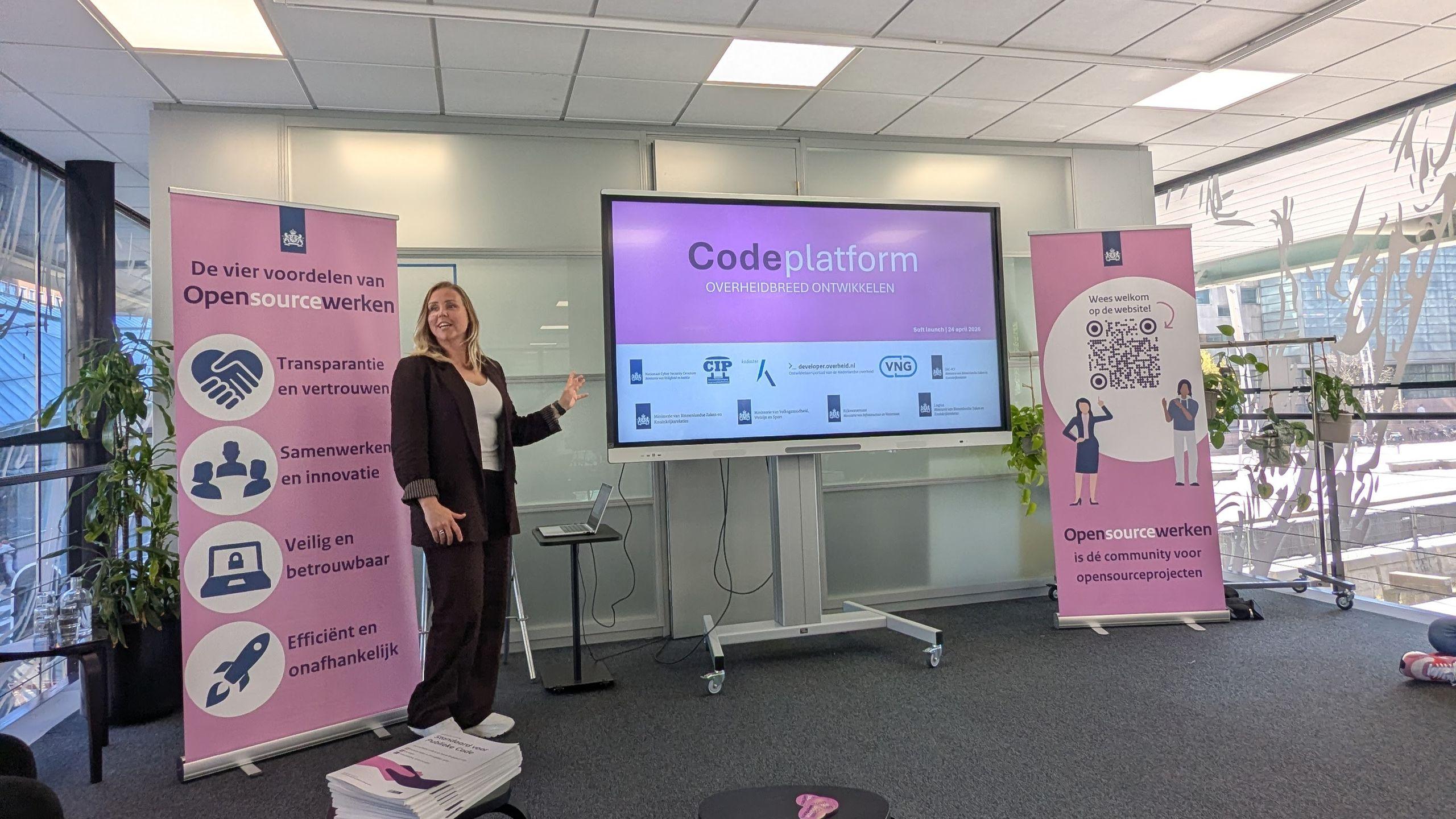
- Dutch platform aims to reduce dependence on foreign-controlled repositories
- Source code integrity is treated as an essential requirement of national infrastructure
- Forgejo selected for full access to modify and distribute code
The Dutch government has launched its own self-hosted Git platform called code.overheid.nl, aiming to reduce dependence on US tech giants like Microsoft.
The platform, built on Forgejo, is intended to become a full-fledged alternative to GitHub and GitLab for hosting government open source software.
Authorities have described source code repositories as essential infrastructure, the integrity of which must be verifiable at all stages.
Article continues below
Why the government wants to abandon GitHub
“Source code hosting is an essential part of the Dutch government’s infrastructure. The government cannot afford the risk that the code or binaries in the repositories are tampered with, as people could run them directly,” the government explained.
“The government needs to be confident that these binaries were created with integrity. That’s why it’s important to have full control over a Git forge.”
Forgejo was selected because it offers the ability to study, modify and distribute its entire source code, which aligns with government objectives.
This allows developers to engage in vibe coding, a relaxed and collaborative style of programming that relies on open tools and community input.
Developers can do this directly on government hardware, such as optimized laptops equipped for local, secure workflows.
“Forgejo provides the ability to study, modify and distribute its entire source code. This is precisely in line with the government’s objectives,” the Open-Source Program Office (OSPO) said.
“Every investment in Forgejo enters the public domain and thus benefits tax-paying citizens and businesses. Public money, public code.”
Code.overheid.nl is currently in a pilot phase, which means that only a handful of government institutions can register and use it.
The phased approach ensures that a full-fledged Git platform emerges slowly but deliberately, according to the project team.
Government developers are encouraged to participate by submitting issues and creating pull requests, essentially building the platform alongside the OSPO team.
What this means for digital sovereignty in Europe
The Dutch government has classified GitHub and GitLab as at risk because neither platform is under government control, and the move represents a broader European push for digital sovereignty.
The soft launch of code.overheid.nl is a significant step towards digital sovereignty, but the platform is not yet complete.
Only a handful of institutions can currently participate, and the long-term success of the platform depends on its widespread adoption by the entire Dutch government.
Forgejo has a solid technical foundation, but building a community of contributors takes years, not weeks.
The government is asking developers to voluntarily contribute to building the platform, raising questions about sustainable financing and long-term maintenance.
External platforms like GitHub are difficult to replicate, and a government-run alternative might struggle to attract the same level of contributions.
Nevertheless, for a country that values public code and transparency, this is a necessary experiment, and its results will be closely monitored by other European nations.
Via the Dutch government developer portal
Follow TechRadar on Google News And add us as your favorite source to get our news, reviews and expert opinions in your feeds.


