
- Google and SpaceX reportedly in talks over orbiting data centers
- It’s the infrastructure that many big tech companies are investing in
- However, concerns remain about whether this technology is actually feasible.
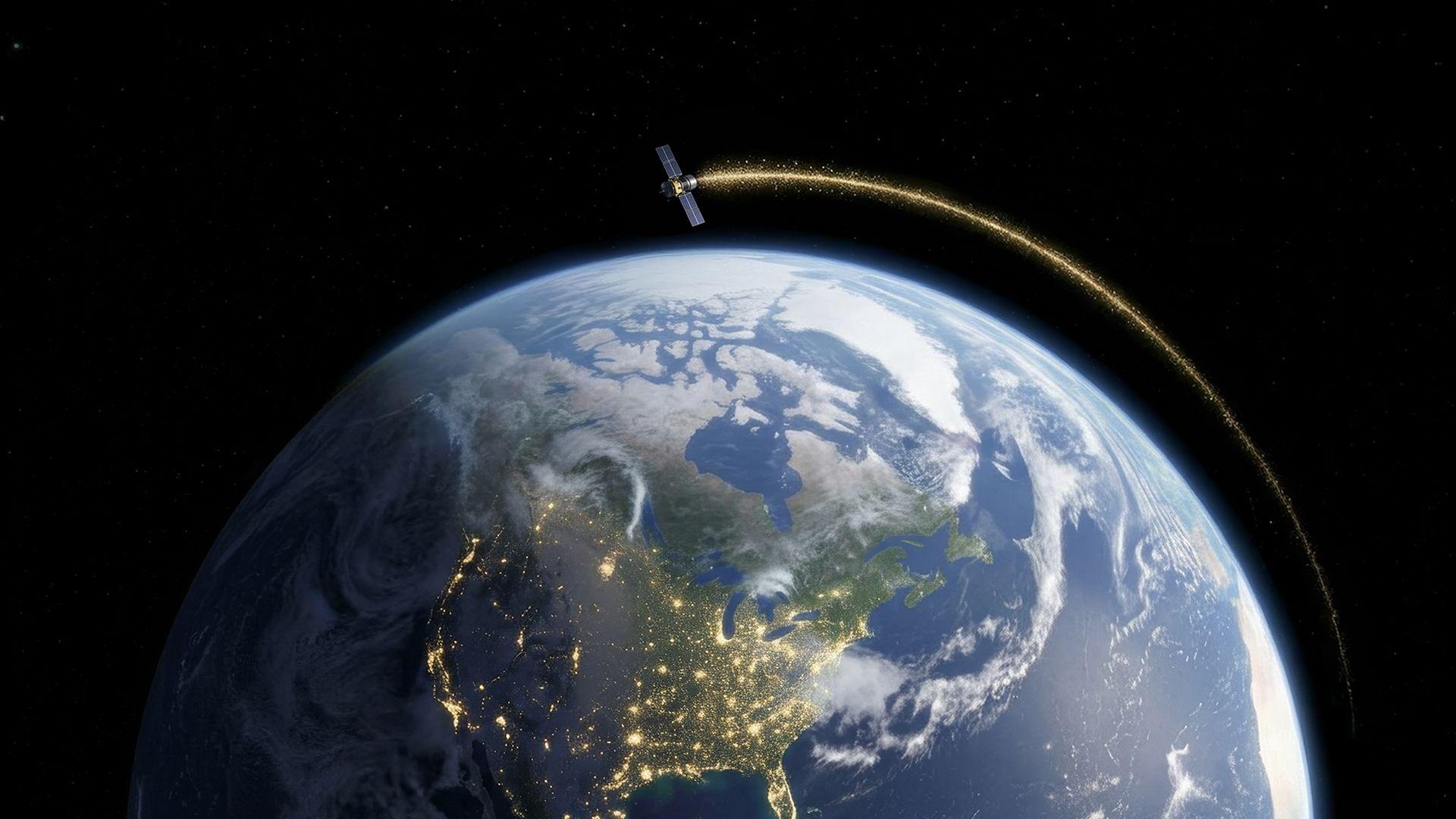
A lot of effort and money is being poured into plans to put data centers in space – primarily to meet the growing demands of AI processing – and Google and SpaceX are currently reportedly in talks to crowd Earth’s orbit even further.
According to the Wall Street Journal and “people familiar with the discussions,” talks are underway between the two tech giants. Google would provide the data centers and SpaceX would provide the rockets to get them where they need to be.
There aren’t many other details here, although the report says Google is discussing its options with “other rocket launch companies.” It’s a sensitive time for SpaceX, with an IPO expected in just a few months, and deals like this certainly wouldn’t hurt the company’s valuation.

It’s also worth noting that Google owns 6.1% of SpaceX. Google has made no secret of its intention to build data centers in space: “There’s no doubt in my mind that in about 10 years we’ll look at this as a more normal way of building data centers,” Google CEO Sundar Pichai told Fox News last November.
But can it work?
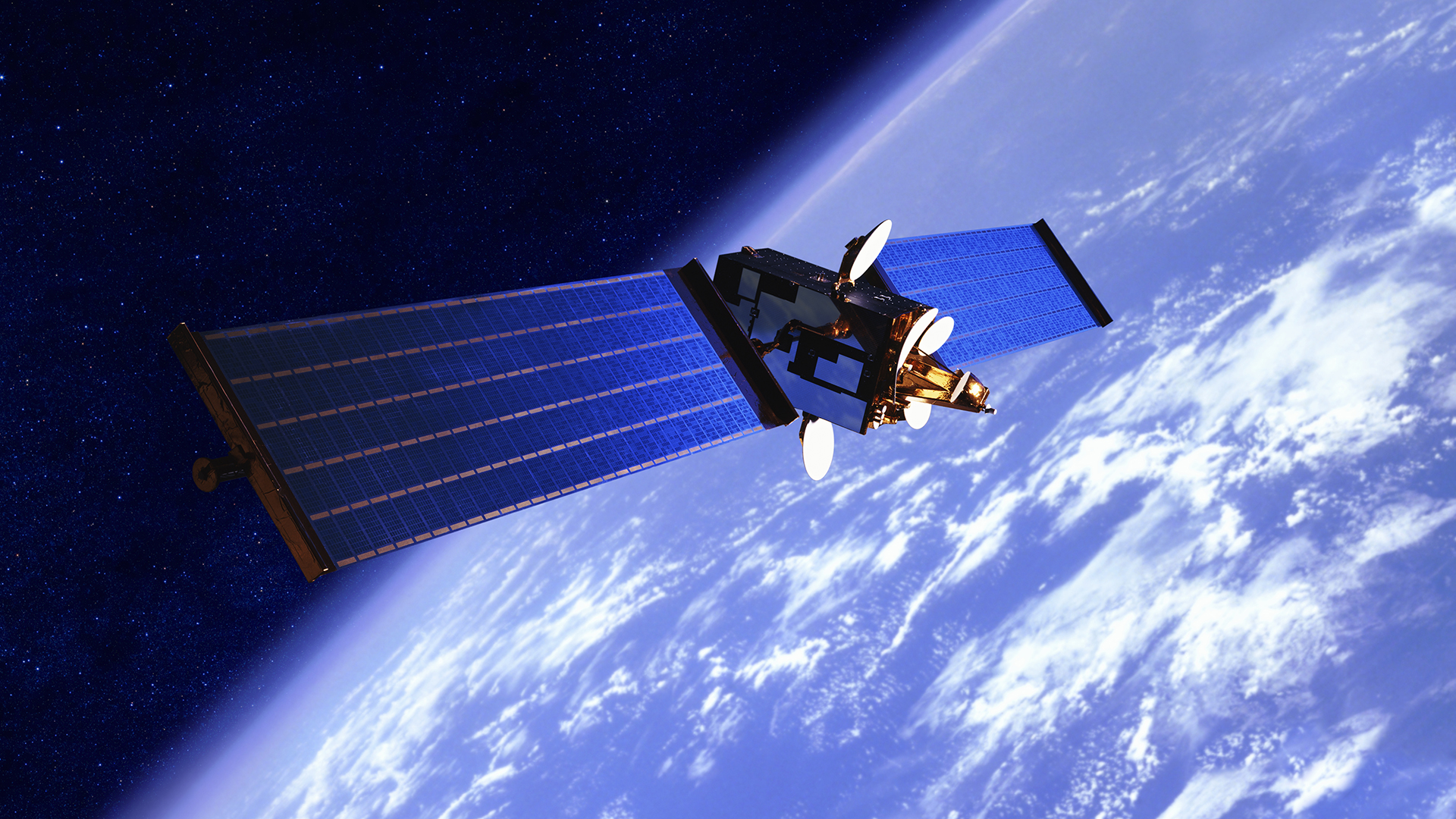
Given that many large companies are investing in this technology, you would think that everything is ready to go, but that’s not quite the case.
As it stands, the technology is not currently available due to various technical challenges, and people like OpenAI’s Sam Altman don’t think it’s a feasible idea in the short term.
The positive side: there’s plenty of room in space (although not as much as before) and plenty of energy, thanks to the constant availability of solar energy. There would be no need to disrupt neighborhoods or overload power grids every time a giant new data center needed to be built.
However, it also turns out to be incredibly expensive and incredibly difficult from a technical point of view. Current data center technology is not designed to withstand the extremes of space, and there is also the question of how repairs can be carried out in orbit.
For those who fully believe in the future of technology, these problems can be overcome with time, funding, and further research. However, it will be some time before we see this working on a large scale.

Follow TechRadar on Google News And add us as your favorite source to get our news, reviews and expert opinions in your feeds.

The best laptops for every budget


