
ISLAMABAD:
Experts called for strong regulatory mechanisms to operationalize the One Health approach in Pakistan.
The Health Services Academy (HSA), in collaboration with Pakistan One Health Alliance (POHA), on Monday inaugurated a two-day consultative workshop titled “One Health Joint Action Plan and Regulatory Mechanism for ICT – Islamabad as a Model District” at COMSTECH Secretariat, Islamabad.
The workshop brought together policy makers, public health experts, development partners and representatives of key government institutions to develop an integrated framework to address emerging health threats through the One Health approach.
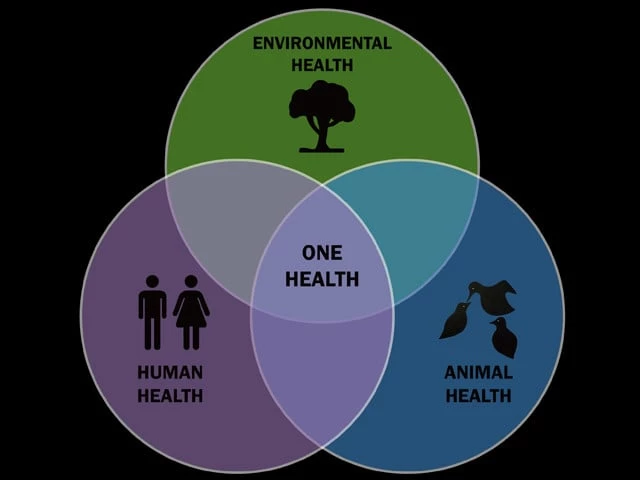
The inaugural session was chaired by Professor Dr Ramesh Kumar, Dean of Public Health, Health Services Academy. Addressing the participants, he said that the One Health approach is no longer a choice but a necessity to safeguard human, animal and environmental health.
He highlighted the importance of establishing a sustainable coordination mechanism among all relevant sectors and expressed confidence that the workshop would produce a practical framework for multi-sectoral collaboration in the Islamabad Capital Territory (ICT).
The workshop was attended by senior officials and experts, including Director General (Health) AJK, Dean of Public Health, Ayub Medical College, as well as representatives from the Food and Agriculture Organization (FAO), National Institute of Health (NIH), District Health Office (DHO-ICT), Capital Development Authority (CDA), Environmental Protection Agency (EPA), Wildlife Department and relevant federal ministries. Experts from the academic, public health, livestock, environment and development sectors also participated in the consultation.
Speaking on the occasion, Professor Tariq Mahmood Ali, National Coordinator of the One Health Workforce Development (OHWD) Project, highlighted the progress made under the project and emphasized the need to develop a competent and resilient One Health workforce, capable of responding effectively to pandemics, zoonotic diseases and other public health emergencies.


