
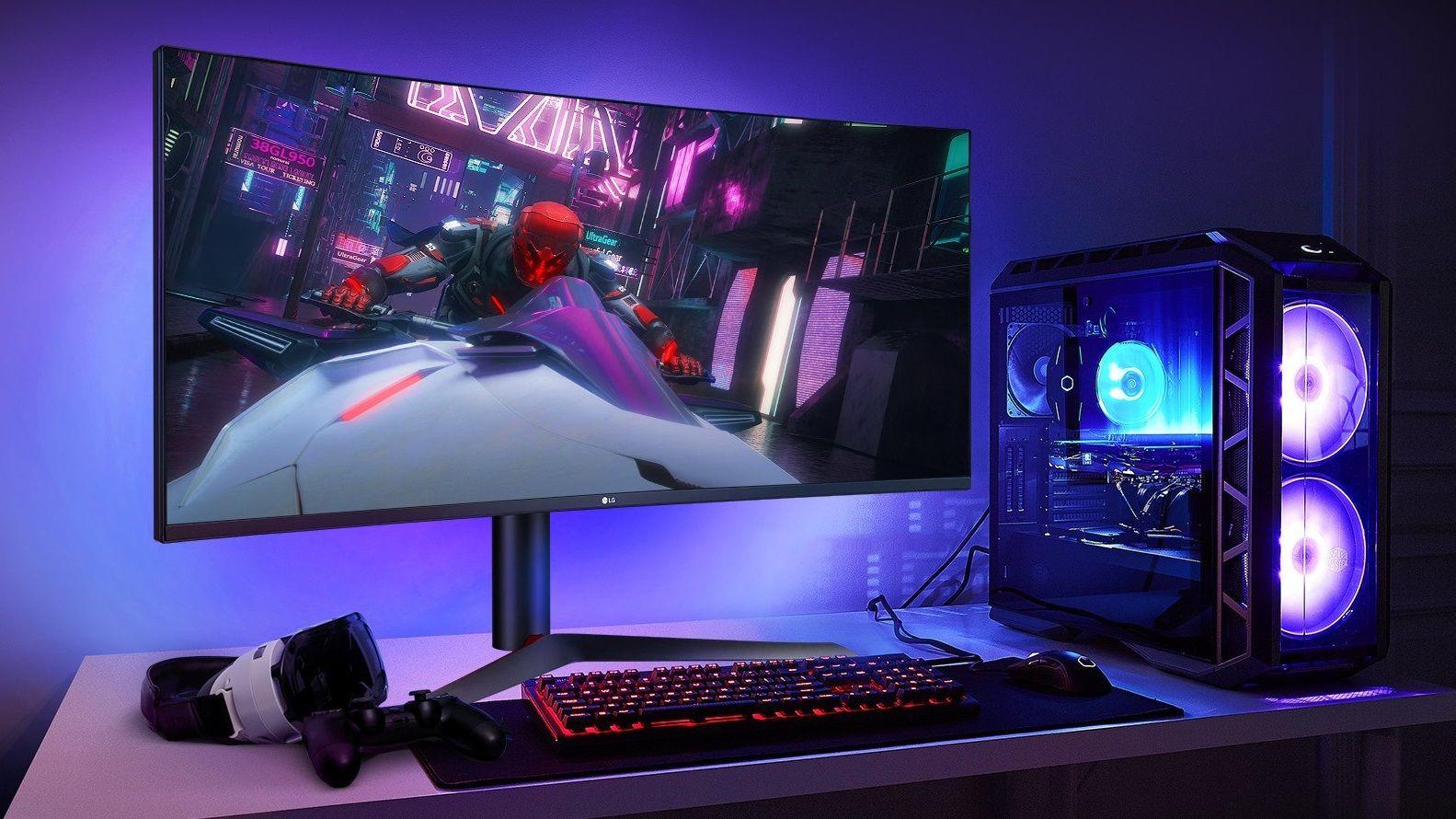
Update: We contacted LG for a statement, which denied McAfee’s claims of automatic installations, stating: “LG Electronics reiterates that McAfee is not installed automatically and is never installed without explicit user consent. The LG Monitor app installer is distributed through Microsoft’s official Windows distribution process, which included McAfee as an option.
“McAfee will only be installed if a user actively chooses to proceed with the installation and provides consent. Under no circumstances is McAfee installed automatically or without user permission. The LG Monitor app installer does not access, collect or transmit any personal data of the customer..“
The original story follows below…

- LG monitors would install bloatware on Windows 11 PCs
- The LG Monitor app installer has a McAfee pop-up window and is automatically installed when connecting an LG monitor to a PC.
- There is a solution to this problem, but it’s a rather tricky affair
It’s no secret that Windows 11 users have been expressing frustration about the operating system’s bloat for years, and unfortunately, LG’s monitors have reportedly made the situation worse.
As Windows Latest reports, LG monitors are installing McAfee bloatware on Windows 11 PCs without consent, and there is evidence of this in the changelog of LG’s monitor app on the Microsoft Store.
Even if you don’t install the app yourself, Windows Update will do so and then give you a McAfee pop-up. All you need to do is plug the LG Monitor into your PC, and the automatic McAfee installation is also displayed by checking the Windows Reliability Monitor, which documents a “successful Windows update” for the LG Monitor App Installer package.
We’ve reached out to LG for comment, but have yet to receive a response. In the meantime, however, there appears to be a fix that requires users to do the following: Press Windows key and R, type “gpedit.msc”, then press Enter.
From this point, head towards Computer Configuration > Administrative Templates > System > Device Installation > “Prevent applications associated with device metadata from automatically downloading”, then select the “Enabled” box and apply.
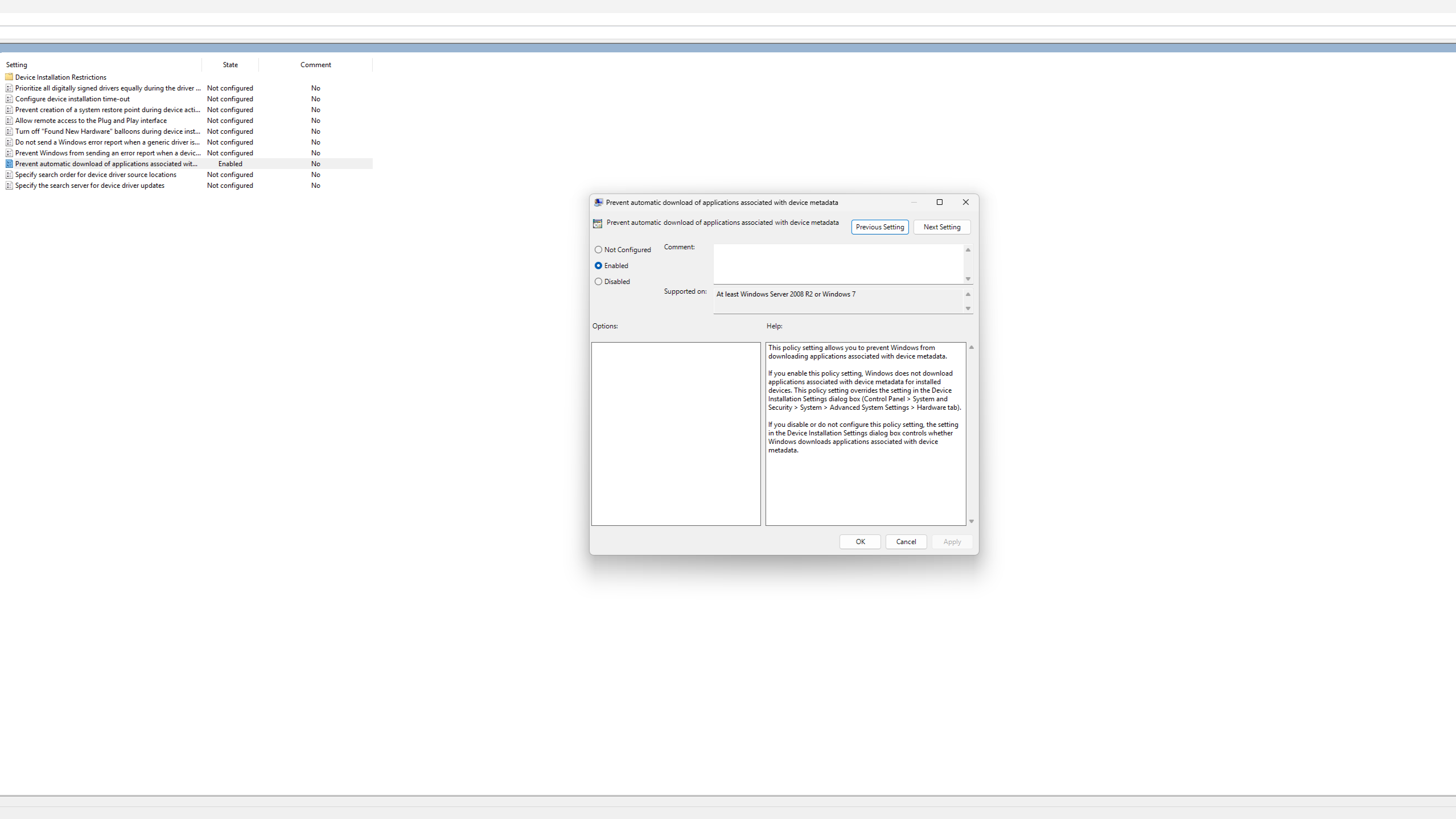
In theory, this should prevent any unwanted apps from being installed, especially on devices like LG monitors, which do so via device metadata.
And if you have already manually installed the LG monitor app, you need to remove it, because as noted, the description on the Microsoft Store suggests that McAfee is a fundamental part of the monitor app.
Bloatware can be problematic for Windows 11 users because it monopolizes system resources, and LG adds to this system leak, not to mention the annoyance of continually seeing this pop-up.
Alongside LG, Microsoft has yet to make a statement on the matter. I would expect Windows 11 users to want an answer of some sort, especially given the rather tricky steps involved in preventing these automatic installations – and frankly, it shouldn’t require any additional effort on anyone’s part.
Follow TechRadar on Google News And add us as your favorite source to get our news, reviews and expert opinions in your feeds.


