
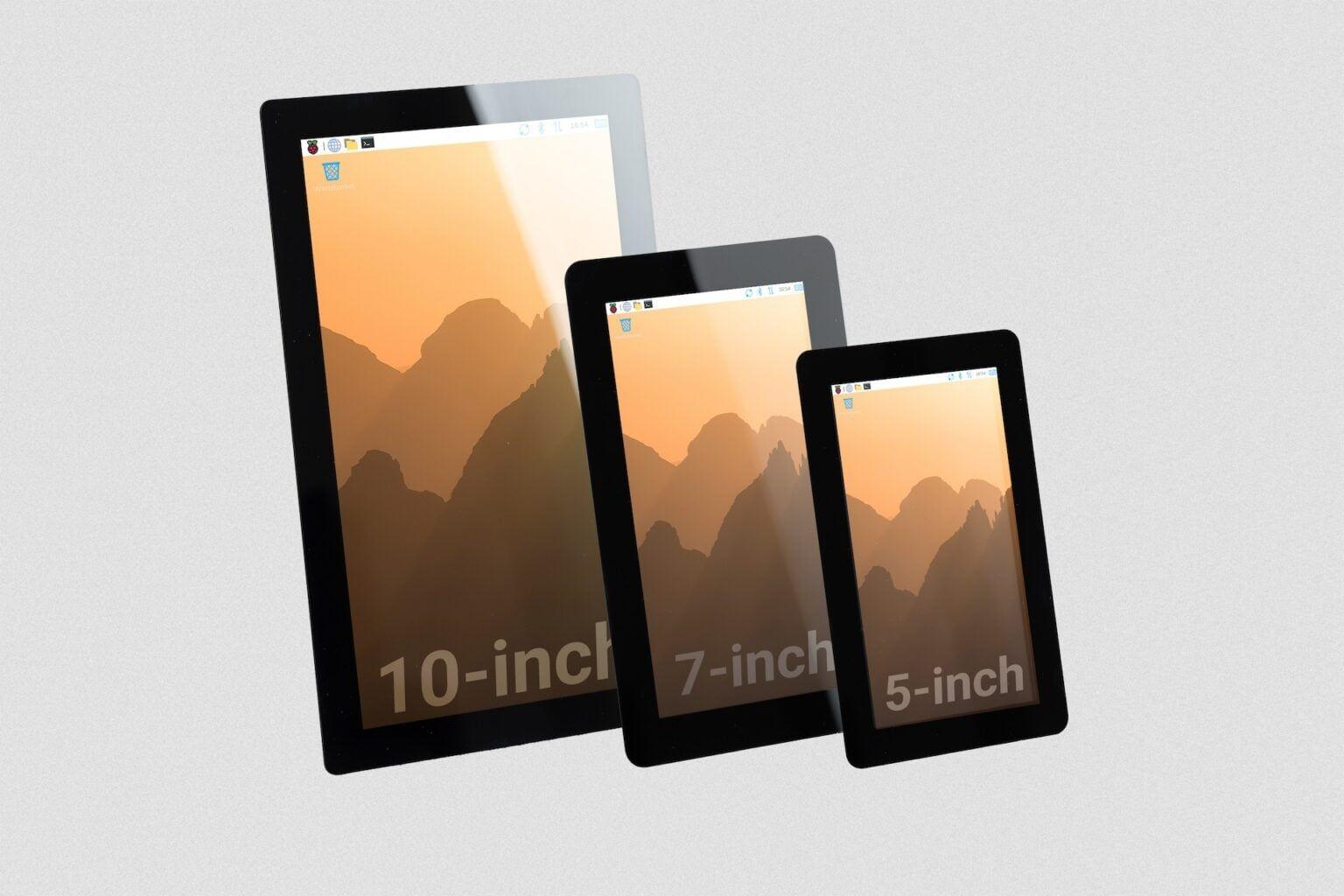
- The new 10.1-inch Raspberry Pi Touchscreen 2 costs $80 with a 1200×1920 IPS panel and ten-finger touch, above the $40 5-inch and $60 7-inch models.
- The upgrade breaks backwards compatibility, extending compatibility with the Raspberry Pi 5 and Compute Modules only, excluding Pi 4 and earlier as well as the entire Zero lineup.
- The 10.1-inch Touch 2 also offers an IPS display offering 85-degree viewing angles, matched by the 7-inch variant, although the 5-inch variant is a bit lower at 80 degrees.
The Raspberry Pi 5 is a surprisingly capable device, and it finally has an “official” 10-inch display that can rival its capabilities.
While the new Touch Display 2 already has 5- and 7-inch offerings, the 10-inch variant is new, offering many improvements under the hood, although it reduces the maximum brightness to go with a larger screen.
It’s also the first touchscreen that leaves most of the Raspberry Pi’s installed base behind, essentially removing support for the Raspberry Pi’s older options as well as its current Zero line.
Latest videos fromTechRadar
A new display with compromises for a limited user base
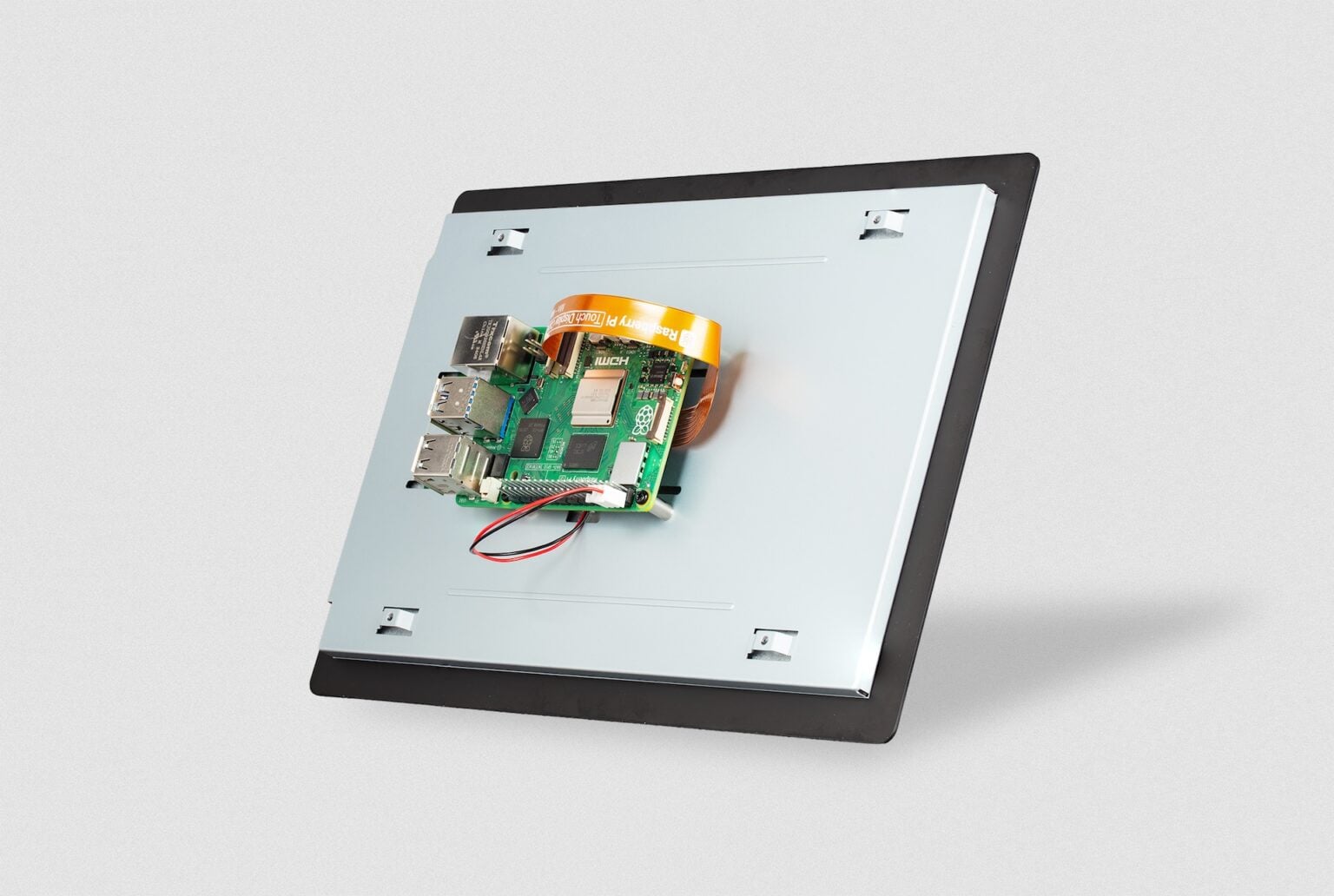
While the announcement for the 10-inch Raspberry Pi Touch Display 2 is blunt about the incompatibility, explaining that the higher resolution requires four DSI lanes and that the newer connector is only found on the Raspberry Pi 5 and Compute Module IO boards, it says nothing about what that means in practice.
The restriction effectively cuts off a large portion of the user base running older Raspberry Pi models, as well as anyone building on the Zero line.
At $80, the screen is relatively affordable for its size, and there are some real improvements under the hood.
The resolution rises to 1200×1920 in native portrait, the touch controller returns to 10 points after the 5-inch and 7-inch models were limited to 5, and the move to an IPS panel tightens the worst-case touch response from 40ms to 35ms. The 85-degree viewing angle, however, deserves to be qualified: it beats the 80 degrees of the 5-inch panel but exactly matches that of 7-inch, despite the announcement presenting it as a step forward in all areas. These variants are listed at $40 and $60, respectively.
The math may be a little ugly for some, given that a compute module with an I/O board isn’t how most people purchase their Raspberry Pi, and the pair typically costs more than a board with onboard I/O purchased outright.
This matters more than usual right now. The least expensive compliant path is real: a 1GB Raspberry Pi 5 is $45 and the $80 display is $125. But anyone who wants to have a margin of memory is buying in a market which has moved strongly against it.
The 16GB Raspberry Pi 5 went from $120 in November 2025 to $305 in April 2026, as Raspberry Pi passed on what it describes as a seven-fold increase in the price of LPDDR4. The irony is obvious. The company has protected the prices of the Zero series and Pi 3 by reducing existing LPDDR2 inventory, and those are precisely the boards that this display locks out.
The only thing Raspberry Pi overlooks is peak brightness, which drops to 400 nits compared to the 500 nits of its older 5- and 7-inch siblings, a difference that will show up in well-lit rooms where kiosks and signage actually live.
Although the panel offers a decent pixel density of 225 ppi, slightly outperforming the 7-inch at 210, it doesn’t hold a candle to the much sharper 5-inch screen, which shares the 7-inch resolution over a smaller area for 294 ppi. This makes the 10-inch a middle-of-the-road offering, at best, in terms of sharpness.
In raw value, the largest panel is the strongest in the family. Its active area of 135.4 × 216.6 mm equates to about 366 square millimeters of screen per dollar, compared to about 224 on the 7-inch and 171 on the 5-inch.
Perhaps the most telling detail of the launch, however, is the production commitment: Raspberry Pi guarantees availability until at least January 2030, a promise it also extends to smaller variants of the Touch Display 2.
Coupled with a -20°C to +70°C operating range and Compute Module compatibility, this feels less like a hobbyist accessory and more like a panel aimed at embedded integrators building point-of-sale terminals, industrial HMIs, and signage over a ten-year design cycle.
For manufacturers, the 10-inch is a simple, if slightly weaker, upgrade that costs backwards compatibility and, at current card prices, a little more than the sticker suggests. For the industry customers that Raspberry Pi has been courting since its public listing, it’s something harder to buy than a display: a component with a guaranteed support horizon, available only to those already standardized on the company’s newest boards.

Follow TechRadar on Google News And add us as your favorite source to get our news, reviews and expert opinions in your feeds.


