
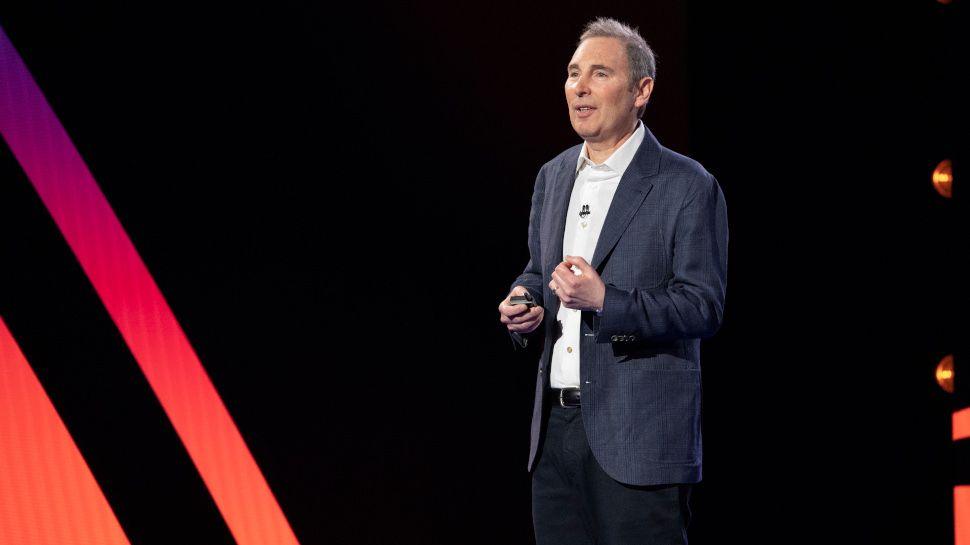
- Amazon considers himself the largest startup in the world
- AIA aggressive investments are essential to future growth
- CEO Andy Jassy continues to defend work in person
Stressing how aggressive investments in artificial intelligence can make long -term financial gains, noted Andy Jassy, CEO of Amazon, in his latest shareholders’ letter that the electronic commerce and cloud computing intends to spend more than $ 100 billion for capital expenses in 2025, with most AWA AWA projects.
He described technology as a “unique reinvention of everything we know”, with promises to revolutionize everything, customer experiences to the productivity of the workplace.
The letter occurred approximately two months after the company published its financial results in the fourth quarter and at the end of the year for 2024, with total turnover up 11% over one year at 638 billion dollars.
Andy Jassy thinks that AI’s aggressive investment is the best plan for the future
Jassy noted that the “rapid technological change rate, customer habits and new products” makes Amazon difficult to deliver year after year on its main objective: “to be the most focused on earth customer”.
On a note similar to the recent comment of the CEO Tobias Lutke on long -term learning, Jassy also pleaded for managers and workers to continue to learn throughout their careers.
It is not only aggressive investments that compare Amazon to certain startups – the CEO stressed how organized chaos can also create a more innovative environment. “”[Tolerate] Disordered meetings, “he said …” You can’t book 60 minutes to invent Amazon Prime or AWS. “”
When Amazon could differ from smaller and more modern companies, it is in the agility and flexibility of the workforce, because Amazon is a work notoriously based on the desk. In recent post-countryic years, the company has put pressure for a return to the generalized office, and Jassy reiterated the alleged increase in ad hoc collaboration and brainstorming when workers are together.
While his letter deals with an end, Jassy highlights seven traits which make Amazon similar to nature to startups: an emphasis on the resolution of a real customer problem or the significantly improvement of a customer experience; a need for “manufacturers” who dissect and improve; A desire for “owners” who assume responsibility; speed; Leanness of the relative team; a desire to take risks; and a commitment to provide results for customers.


