
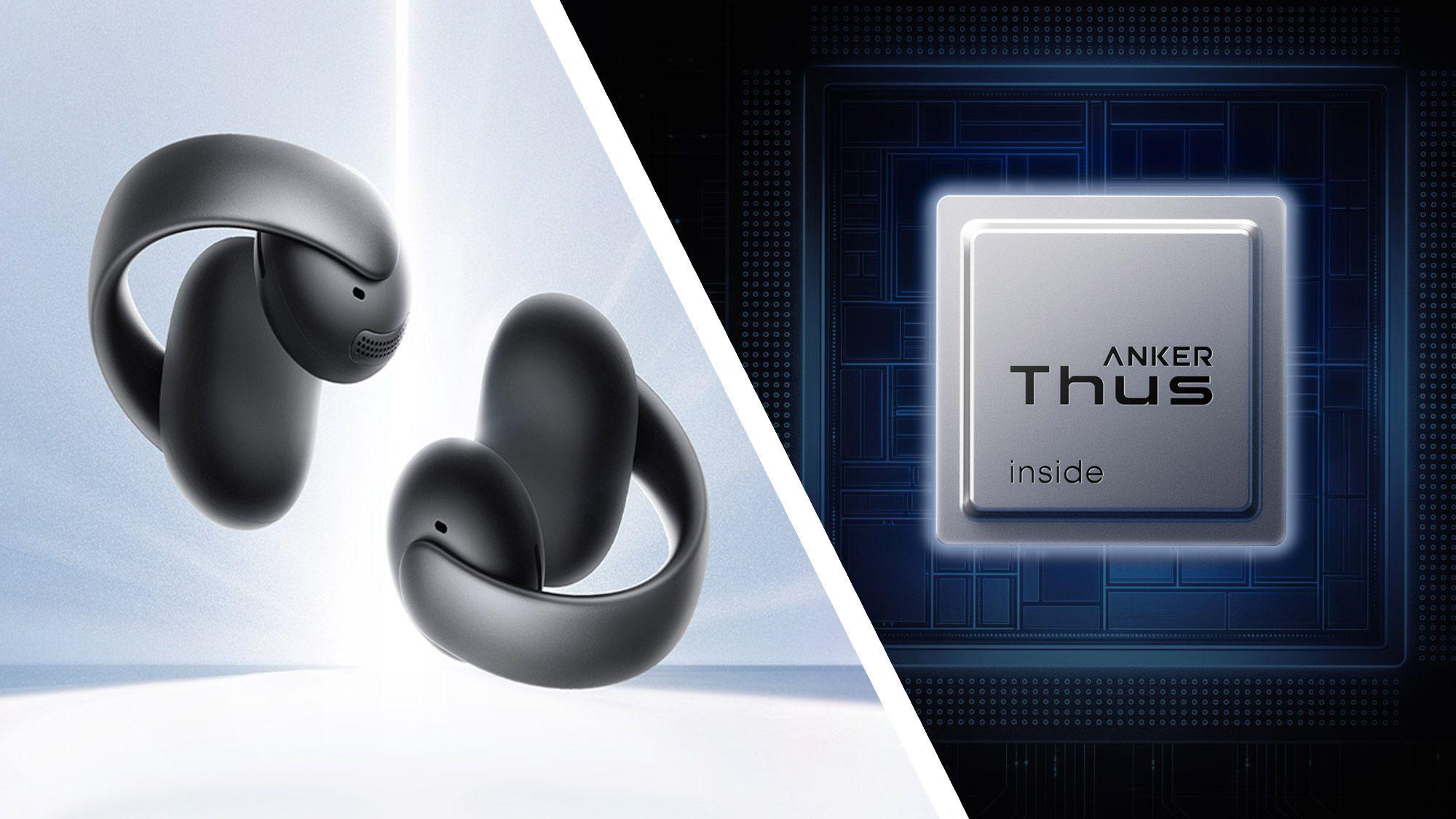
- Anker unveils SO
- New chip uses computer in memory
- This could enable larger AI models on less powerful devices
Anker is getting into the silicon business, specifically creating a Compute In Memory (CIM) solution that will support integrated processing of large models in tiny, low-power Bluetooth earbuds.
SO is Anker’s first step in a long-term plan to integrate large-model local AI with mobile, wearable and IoT technologies. Anker’s chip technology relies on neural network computing, eschewing the traditional computing architecture in which the processor processes commands based on data and instructions it derives from memory. Switching from one to the other is an energy-intensive process. Neural networks, like the human brain, do not really respect this division. Leaving everything running in one place saves considerable energy. That’s why CIM is interested in Anker as a solution to bring more powerful AI to its smaller-battery, less-powerful devices.
Basically, THUS, made in Germany, performs its calculations inside NOR flash memory cells, known for their low-power operation; they are slower than traditional memory for writing data, but actually faster than NAND memory for read operations.
Article continues below
By placing the models that AI needs in the same place as computing, it could not only reduce power consumption, but also, Anker claims, make it possible to fit larger models into devices that normally can’t accommodate them due to their tiny batteries (at least based on traditional power requirements).
The first platform will be an as-yet-unnamed pair of Bluetooth earbuds, where THUS will support more powerful ambient noise cancellation than was possible with traditional in-vehicle AIU platforms. A larger built-in model means the AI can more effectively eliminate unwanted noise for better call clarity. Anker will naturally call the feature Clear Calls.
The chip will also add a few other features, “Signature Sound” and “Voice Control”, although Anker did not provide further details on these features in our briefing. What we do know is that Anker will reveal full details of its first THUS-equipped headphones on May 21, 2026.
Think in memory
CIM (also known as “in-memory computing”) is not a new concept, and it has been largely ignored by most chip designers (some wonder if it’s “still alive”) and certainly by most people building ever-larger models, for bigger, more powerful, agentier AI operations.
Still, if Anker, which says it’s not becoming a chipmaker, gets its way, it could be a big moment for all kinds of low-power devices, which traditionally rely on cloud-based AI and the larger models they can house there.
Imagine smarter smartwatches. Even smartphones could be affected if other companies, like Apple, for example, adopt CIM technologies for future versions of Apple Silicon.
Follow TechRadar on Google News And add us as your favorite source to get our news, reviews and expert opinions in your feeds.


