
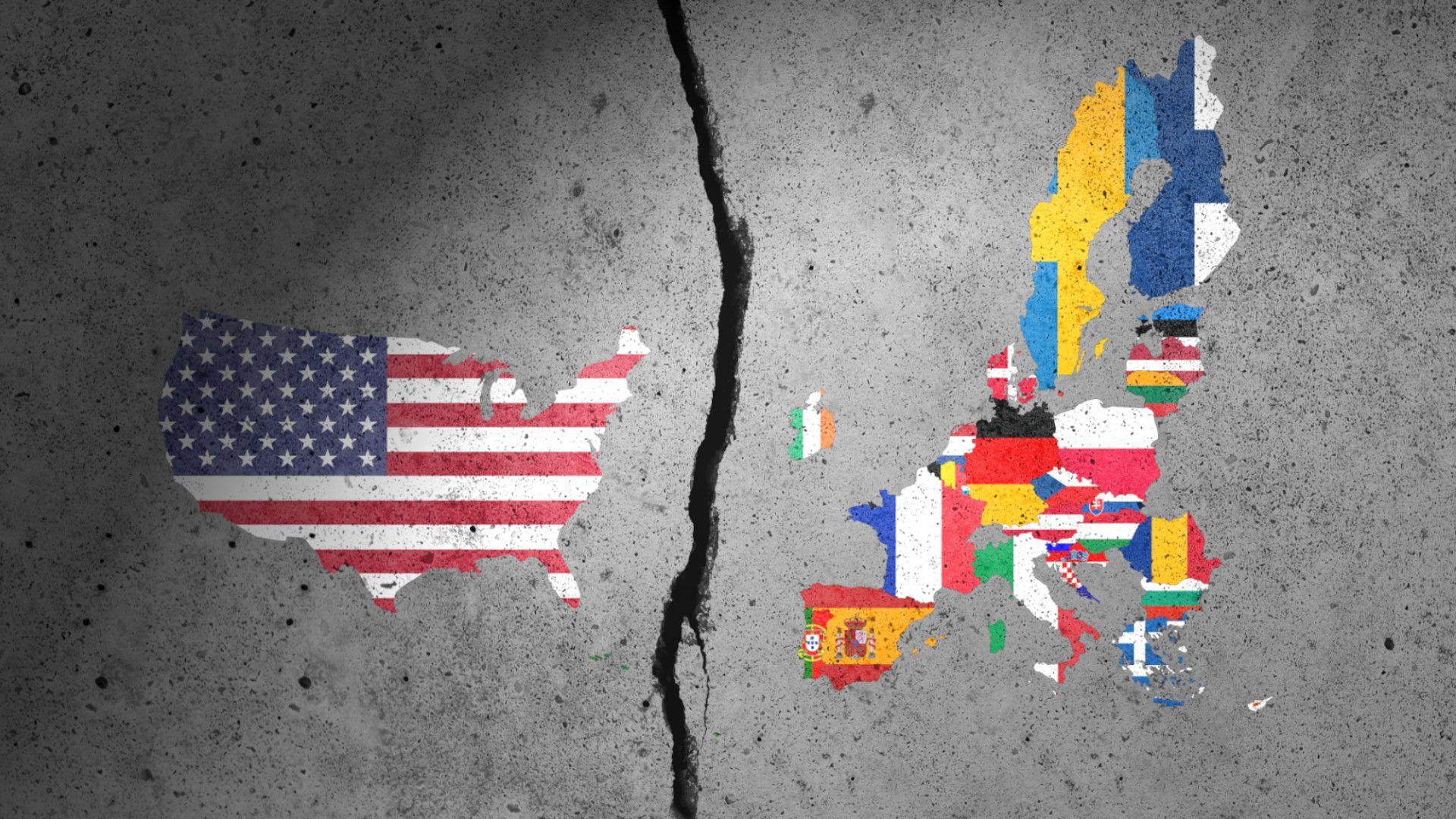
- 8 in 10 Europeans say they do not trust data processing in the United States or China
- Europeans are more likely to trust their own government rather than foreign companies
- The desire for local alternatives is growing
More than 8 in 10 Europeans do not trust American or Chinese technology companies to manage their data appropriately, according to a new study. Policy European Pulsepoll found.
European distrust of Chinese technology and companies is long-standing, largely due to fears that the Chinese government could force companies to hand over user data for nefarious purposes.
But the same sentiment has grown toward U.S. technology companies, leading Europeans to seek domestic alternatives to software typically dominated by U.S. companies.
Article continues below
Europe craves local technology
The poll, conducted among citizens of Germany, France, Spain, Belgium, Italy and Poland, found that 84% of respondents do not trust U.S. tech companies to manage their data responsibly, with that figure rising to 93% when asked the same question about Chinese tech companies.
When it comes to trust at the national level, 45% of respondents said they trust their own national government with their data, and just over half (51%) said they trust European tech companies to manage their data responsibly. Belgians are the most likely to trust European companies, with 59% believing that European companies would handle their data responsibly.
The most distrustful of foreign technology companies were Germans, with 91 people distrusting American companies and 98% distrusting Chinese companies. On the other hand, Poles are those who trust American (38%) and Chinese (20%) companies the most.
The European Union (EU) is fiercely protective of its data. The General Data Protection Regulation (GDPR) imposes strict rules on how European user data is handled by companies, even those based outside the EU. Companies processing European data that violate GDPR rules can face hefty fines, and refusal to pay can result in legal action and operational bans.
The protections are so strong that President Donald Trump called EU regulations a “form of taxation.” Trump recently ordered US diplomats to lobby against data regulations, including GDPR, with US Secretary of State Marco Rubio calling GDPR regulations “unnecessarily burdensome restrictions on data processing and cross-border data flow requirements” in an internal diplomatic cable.
The EU has acknowledged that aspects of its data protection regulations, including GDPR, have somewhat hampered European competitiveness and innovation in AI, with proposals aimed at watering down the regulations. On the other hand, European regulations remain much stricter than those in force in the United States and China, whose authorities can force companies to communicate user data.

The best password manager for every budget
Follow TechRadar on Google News And add us as your favorite source to get our news, reviews and expert opinions in your feeds. Make sure to click the Follow button!
And of course you can too follow TechRadar on TikTok for news, reviews, unboxings in video form and receive regular updates from us on WhatsApp Also.


