
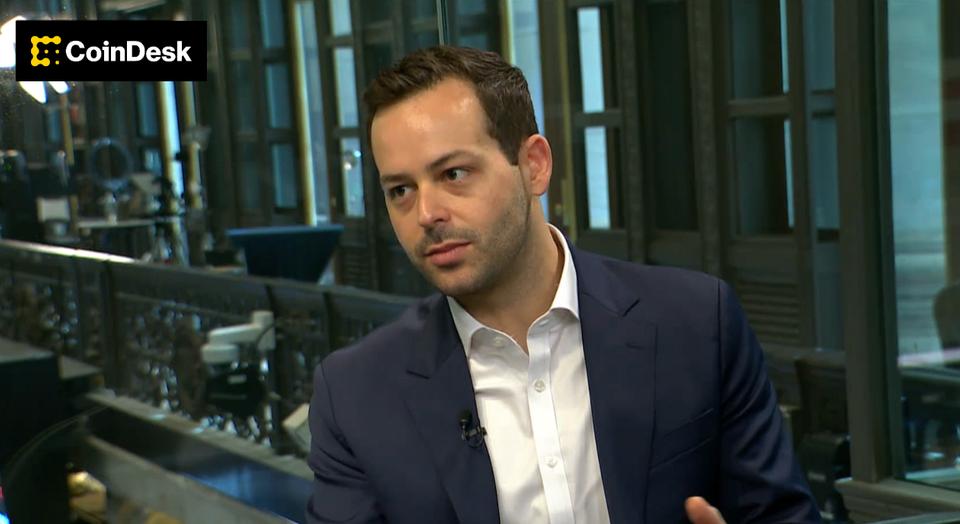
Latest developments: Bitwise relies on Hyperliquid as one of the cryptocurrency platforms in this cycle.
- Ryan Rasmussen, head of research at Bitwise, said the company is seeing strong investor interest in its HYPE ETF products following the recent launch of BHYP.
- Rasmussen said Bitwise differentiates itself by staking HYPE internally to maximize return for ETF investors.
- The company also allocates 10% of management fees to purchase HYPE tokens for its own balance sheet “to align with the Hyperliquid community,” Rasmussen said.
- Bitwise publicly shares wallet addresses linked to its HYPE ETF Reserves so investors can verify their holdings on-chain.
What this means: Hyperliquid is increasingly considered as infrastructure.
- Rasmussen argued that hyperliquid could become “one of the systems on which most traditional finance operates in the future.”
- He pointed to the growth of perpetual futures, prediction markets and spot trading as evidence that the ecosystem is expanding beyond its initial niche.
- Rasmussen also cited tokenized stocks, stablecoins and 24/7 trading as trends that could benefit Hyperliquide in the long term.
- He referenced the recent Coinbase-Hyperliquid partnership tied to USDC liquidity as another sign of institutional momentum.
The case of the bull: Bitwise believes Hyperliquid benefits from crypto’s changing regulatory climate.
- Rasmussen said projects like Hyperliquid can now launch with stronger token incentives because the industry faces less fear of regulatory crackdowns than in previous cycles.
- He highlighted Hyperliquid’s tokenomics, noting that “99% of the fees generated on this platform are used to purchase and burn HYPE tokens.”
- Rasmussen compared the mechanism to traditional stock buybacks, saying it creates a narrative that is easier for investors to understand.
- Bitwise said it sees long-term benefit from adopting perpetual, tokenization and blockchain-based financial infrastructure.
The risks: Regulatory oversight and macroeconomic uncertainty remain major concerns.
- Rasmussen acknowledged that U.S. oversight of perpetual futures markets could create pressure on hyperliquid and similar platforms.
- He also cited inflationary concerns, Federal Reserve policy, and geopolitical tensions as broader risks affecting crypto markets.
- Traditional exchanges would push regulators to examine Hyperliquid more closely as decentralized competitors gain traction.
- Rasmussen called this resistance typical of incumbents facing disruptive technologies.
Wider view: Financial advisors are moving beyond basic crypto skepticism.
- Rasmussen said wealth managers are increasingly asking about portfolio allocation, tokenization and stablecoins instead of wondering if crypto will “go to zero.”
- Rasmussen said institutional adoption remains early despite growing interest from billion-dollar companies.
- He described the quality of conversations with councilors today as “much better” than two years ago.


