
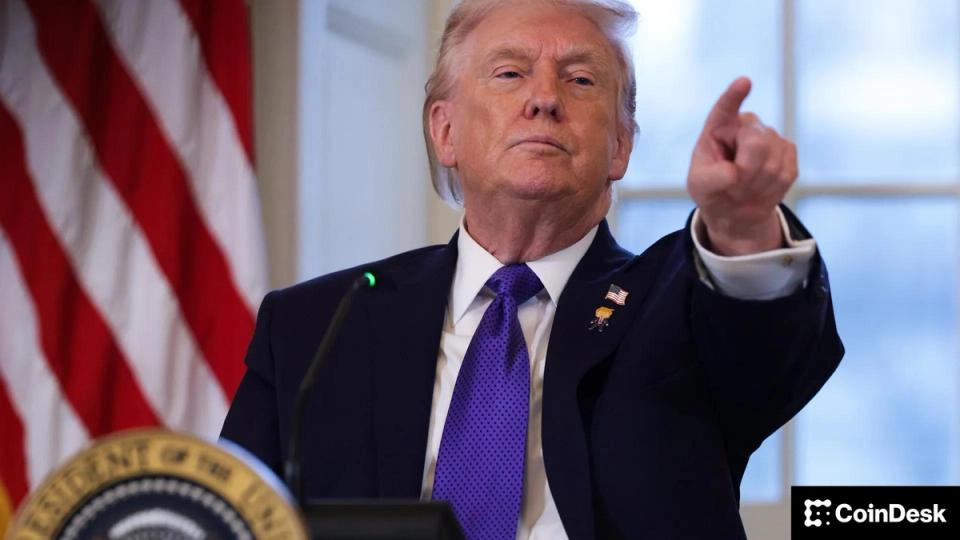
Axios reported that U.S. and Iranian negotiators had reached a draft 60-day memorandum of understanding to extend the ceasefire and begin negotiations on Iran’s nuclear program, although President Donald Trump has not yet approved the deal.
The report follows overnight U.S. airstrikes on an Iranian military site near the Strait of Hormuz, the critical energy transport route that has dominated macro traders’ attention in recent months.
Although traders have at this point lost count of the number of impending Middle East peace deals, they nonetheless suggested a rise in stocks and bonds and a decline in oil in the Axios report. In the red at the start of the session, the Nasdaq is now up 0.6%, while WTI crude oil has fallen below $90 per barrel.
Crypto markets remain stuck in the doldrums, however, with bitcoin having failed to sustain any upside, it has now fallen back below 73,000, down 2.7% in the last 24 hours.
Following the Axios affair, Treasury Secretary Scott Bessent warned that the United States “will not tolerate” any attempt to impose tolls on shipping through the Strait of Hormuz, promising aggressive sanctions against parties involved in disrupting commercial transit through this key waterway. “Oman, in particular, must know that the US Treasury will aggressively target all actors involved – directly or indirectly – in facilitating cross-strait tolls and that all willing partners will be penalized,” he wrote.
Fed’s preferred inflation gauge hits highest level since 2023
The first inflation report released under Federal Reserve Chairman Kevin Warsh showed that price pressures strengthened in April, with the Fed’s preferred inflation gauge, the Personal Consumption Expenditures (PCE) index, rising to its highest level in nearly three years at 3.8% year-over-year, up from 2.8% in February.
“The inflation situation is becoming increasingly uncomfortable for the Fed. It’s not just a headline inflation problem: underlying inflation is also moving in the wrong direction,” said Olu Sonola, head of U.S. economics at Fitch Ratings. “Price pressures are likely to persist over the coming months, and while the Fed can’t fix a supply shock, it can’t ignore a shock that fuels underlying inflation. The Fed is stuck – and the pressure is clearly building.”


