
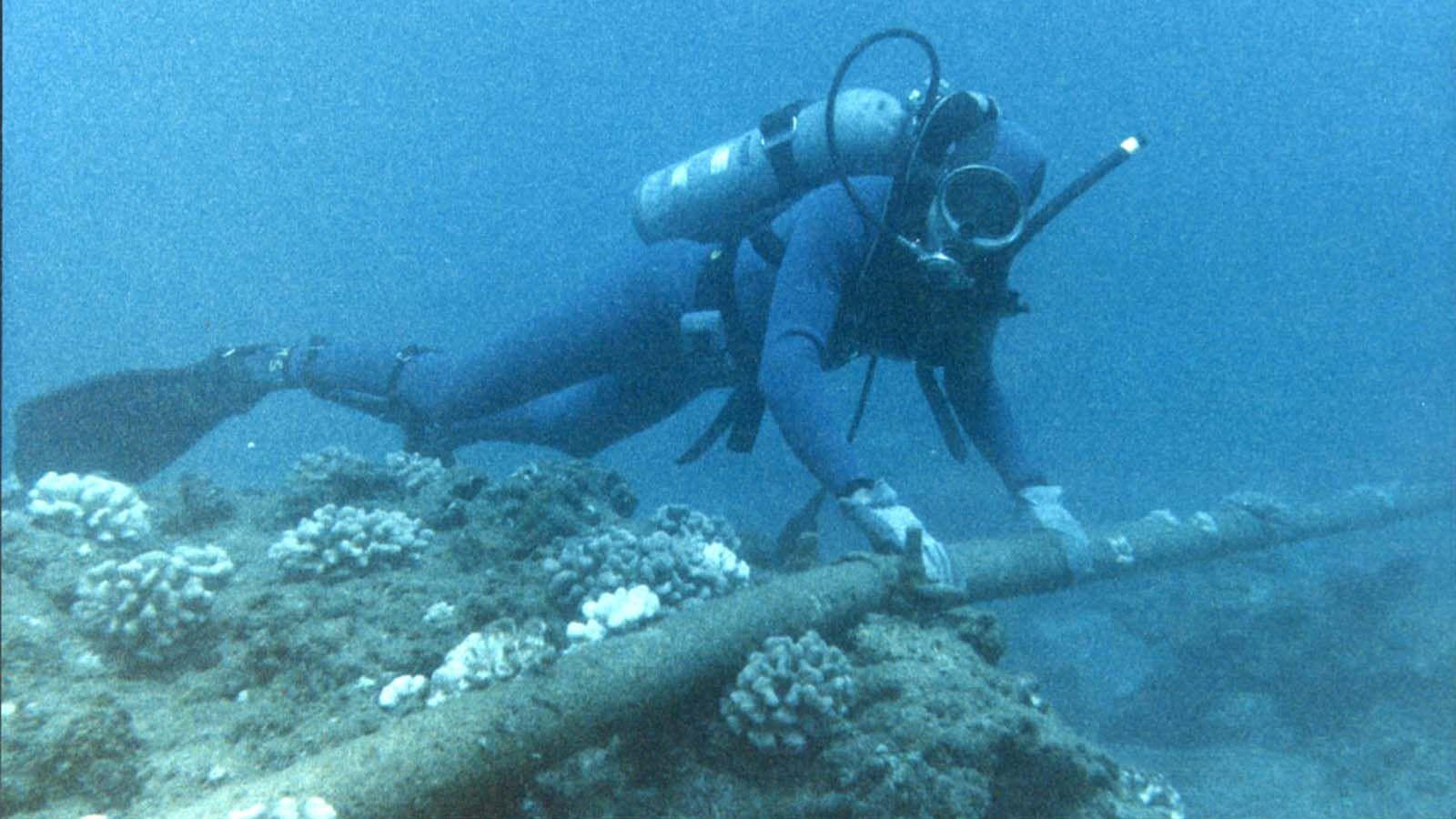
- Oregon has announced plans to triple application fees and apply a per-foot price to coastal cable installations.
- Oregon state planners estimate the new structure could bring in $1 million per new cable laid
- Coastal protection has become a political priority in recent years
Oregon has announced plans to introduce a payment structure for service providers laying submarine cables off the Pacific state’s coast.
Currently, weak tax and zoning incentives on offer make Oregon a particularly attractive location for tech companies, including Microsoft and Amazon, and with large data centers (such as Google’s facility in The Dalles) requiring growing data infrastructure, state officials believe a new pricing agreement is long overdue.
The Oregon Department of State Lands is making the proposal, which aims to completely restructure pricing around submarine cables, which has been set at $5,000 since 2001.
Latest videos fromTechRadar
Even with tripling application fees, Oregon will remain a more affordable alternative for service providers upgrading or adding submarine cables than California and Washington.
The payment structure under consideration covers application fees and compensation “for underwater infrastructure located on submerged and submersible lands within the Oregon Territorial Sea.”
Currently, the new application fee is $5,000, with the proposed new fee set at $15,000. Renewal applications are expected to increase from $5,000 to $7,500, with a new encroachment application fee, also set at $7,500 (this describes any building or development on state-owned land that restricts its usual purpose).
Cables up to three inches in diameter are assigned a base annual fee of $3 per foot, with conduit charged $7.
But how could these fees be applied to any new cable installation? Some calculations are based on the Amazon Bitfrost Cable Project, which determined that a total of $1,450,380 was owed over two decades, which would go to the Oregon Common Schools Fund.
These fees are a revision of a set of earlier, more expensive proposals, and while the example of the Amazon Bitfrost project may seem high, it is literally a drop in the ocean compared to the budgets needed to lay cables across the Pacific – somewhere in the region of $400 million.
Corporate responsibility
Oregon is also proposing new rules that govern the amount of information businesses submit in their applications. This covers everything from decommissioning obsolete cables to describing responses to earthquakes (like a predicted event in the Cascadia subduction zone, which is considered overdue).
Various challenges to operating businesses off the Oregon coast have arisen in recent years, such as a Meta subsidiary’s attempt to install new cabling in Tierra Del Mar in 2020. That abandoned project resulted in a pollution incident with 6,500 gallons of drilling fluid spilling into the ocean and two sinkholes appearing the following year.
The fees are expected to be introduced in January 2027.
Follow TechRadar on Google News And add us as your favorite source to get our news, reviews and expert opinions in your feeds.


