
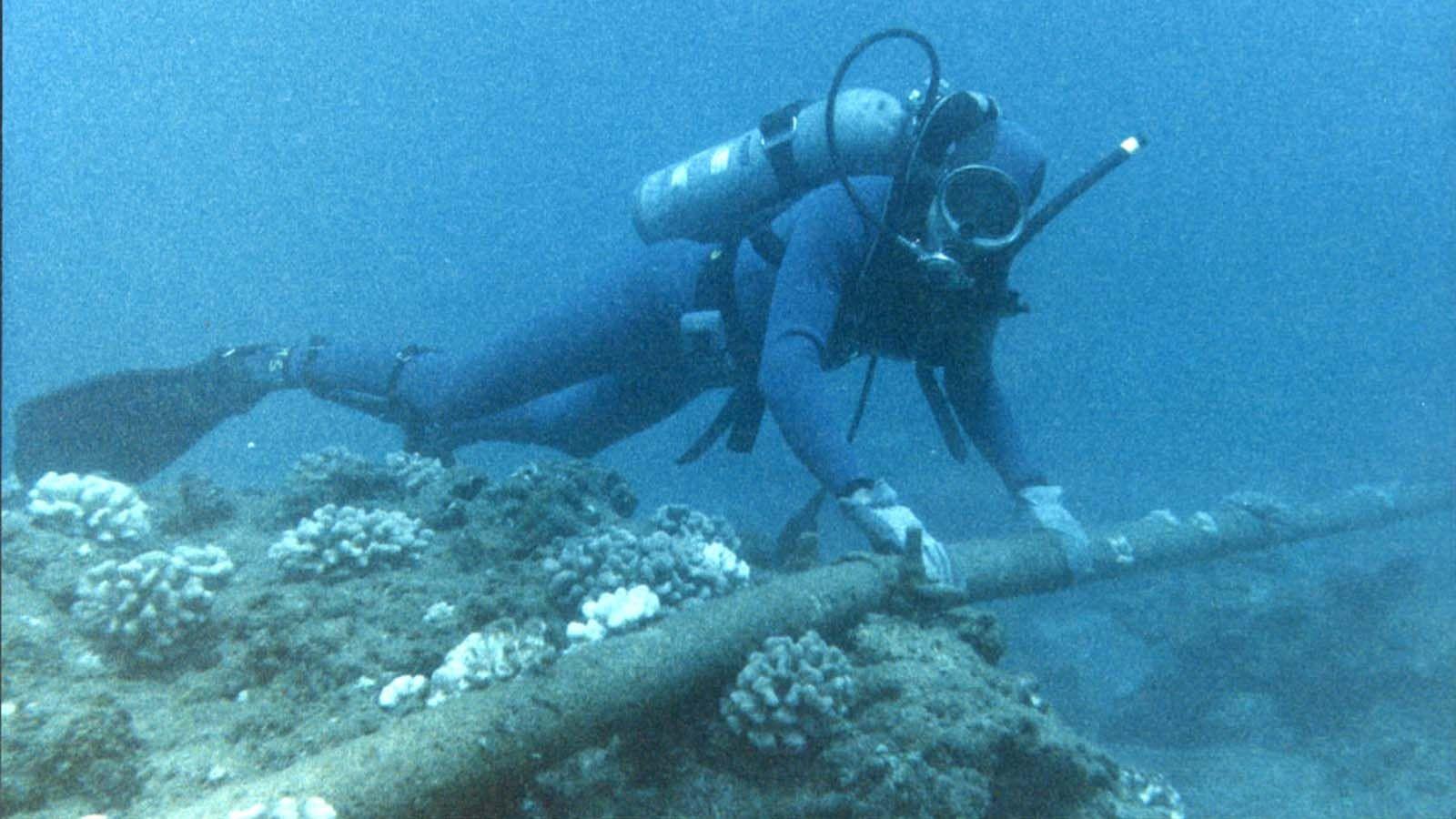
- IOEMA-1 connects five countries via a high-capacity underwater infrastructure network
- APTelecom partnership strengthens commercial strategy for cable deployment in Northern Europe
- The European Union classifies IOEMA-1 as a strategic digital infrastructure project
European consortium IOEMA 1 Holding has announced a strategic partnership with consultancy firm APTelecom to advance a petabit-class submarine cable system.
This planned network of 24 fiber pairs stretches approximately 1,600 kilometers across five Northern European countries, with the aim of connecting digital hubs in the Netherlands, Germany, Denmark, Norway and the United Kingdom.
The consortium expects this submarine cable system to be ready for commissioning during the first quarter of 2029.

Japanese companies NEC and NTT have already successfully tested a revolutionary submarine cable technology using 12-core multi-core fiber, which packs twelve optical signal transmission paths into a standard outer diameter optical fiber.
Existing submarine cables typically rely on single-core fiber with a single transmission path.
The Japanese team transmitted hundreds of terabits over a staggering 7,280 kilometers, with a sophisticated algorithm solving the interference problem known as crosstalk between neighboring cores.
NEC developed a demodulation algorithm using MIMO technology to accurately separate overlapping signals, and NTT simultaneously created a coupled multi-core fiber transmission line that handles the non-uniformity of signal delay.
Similarly, Meta is building underwater infrastructure around the world to transmit information to billions of daily users.
The company employs submarine cable systems engineers who work end-to-end on these massive projects.
Their responsibilities cover capacity planning, route design, ocean studies, manufacturing monitoring and deployment strategy.
Today, more than 95 percent of intercontinental Internet traffic travels over submarine cable systems, and reliability is not an option for a company operating on Meta’s gigantic scale.
The company is pursuing the Waterworth project, which will become the longest submarine cable system in the world.
Each of these efforts faces different technical and financial hurdles on its own timeline.
Japanese technology has been successfully demonstrated, but full commercial deployment has yet to be proven on a large scale, and European infrastructure projects often face regulatory delays that push target dates years beyond initial estimates.
Meta has not publicly committed to a specific completion date or petabit capacity for Waterworth.
The explosion in demand for artificial intelligence bandwidth is real and urgent for operators. However, submarine cables typically take five to seven years from planning to actual operation underwater.
Development of submarine cables
The European Union has recognized this cable as a project of European interest as part of its Connecting Europe Mechanism.
“The partnership with APTelecom brings additional deep expertise and expanded market access at an important time in IOEMA’s development of our first cable system, IOEMA-1,” said Andrew Parsons, IOEMA’s Chief Commercial and Strategy Officer.
APTelecom says it will bring consultative expertise in operator engagement, infrastructure strategy and market strategy.
“IOEMA-1 is a strategically important project that addresses the growing demand for resilient, high-capacity connectivity across Northern Europe,” said Sean Bergin, President of APTelecom.
“We are excited to help the team engage with the market and drive the project towards successful delivery.”
Via submarine cables

Follow TechRadar on Google News And add us as your favorite source to get our news, reviews and expert opinions in your feeds.


