NEWYou can now listen to PK Press Club articles!
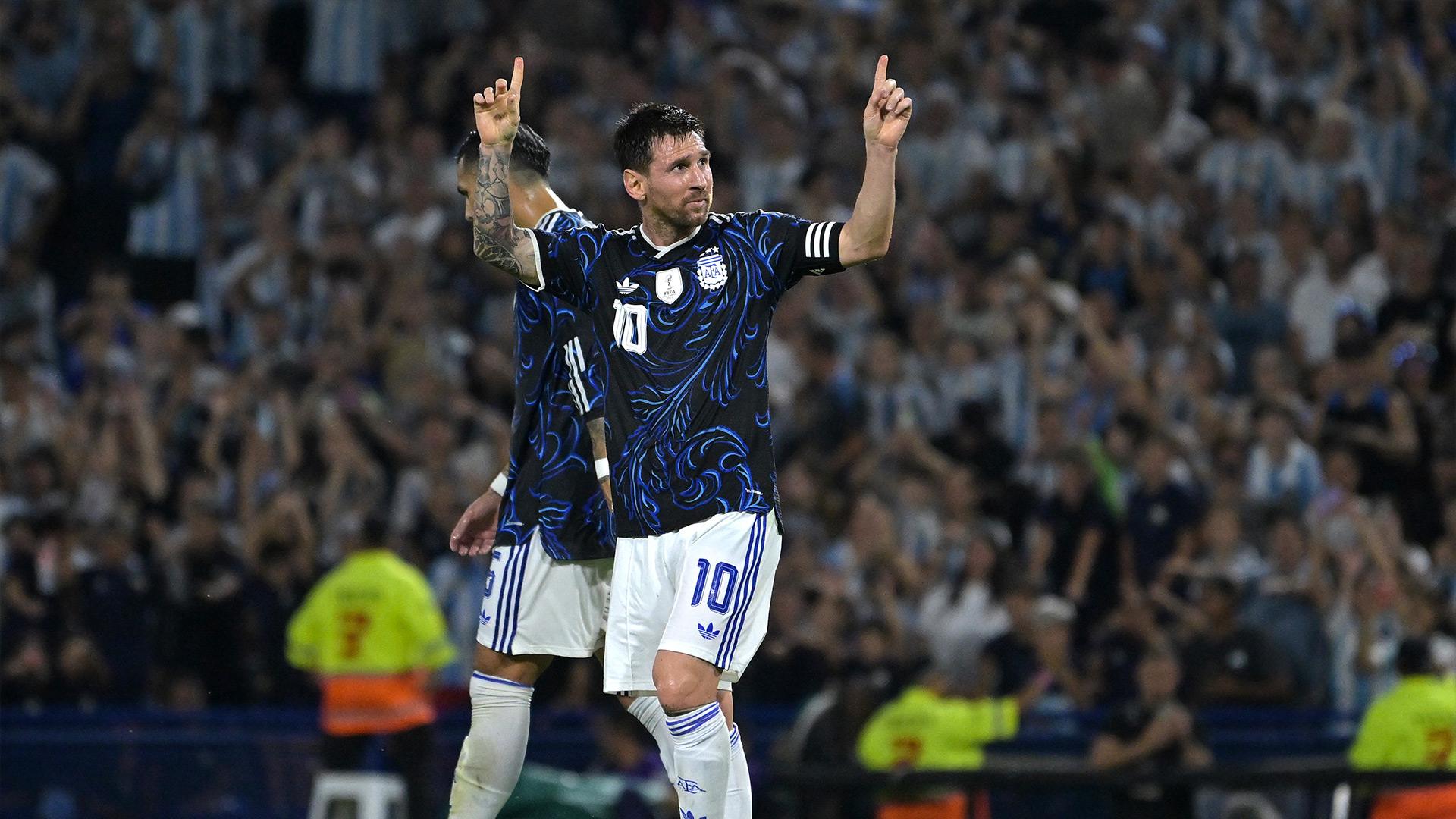
Lionel Messi is preparing for a record sixth World Cup appearance, but the player heading into the tournament is unrecognizable from the teenager who first burst onto the scene.
While most elite stars adapt to decline, Inter Miami’s talisman has spent two decades adapting to stay ahead of the curve.
The birth of the winger and Guardiola’s revolution
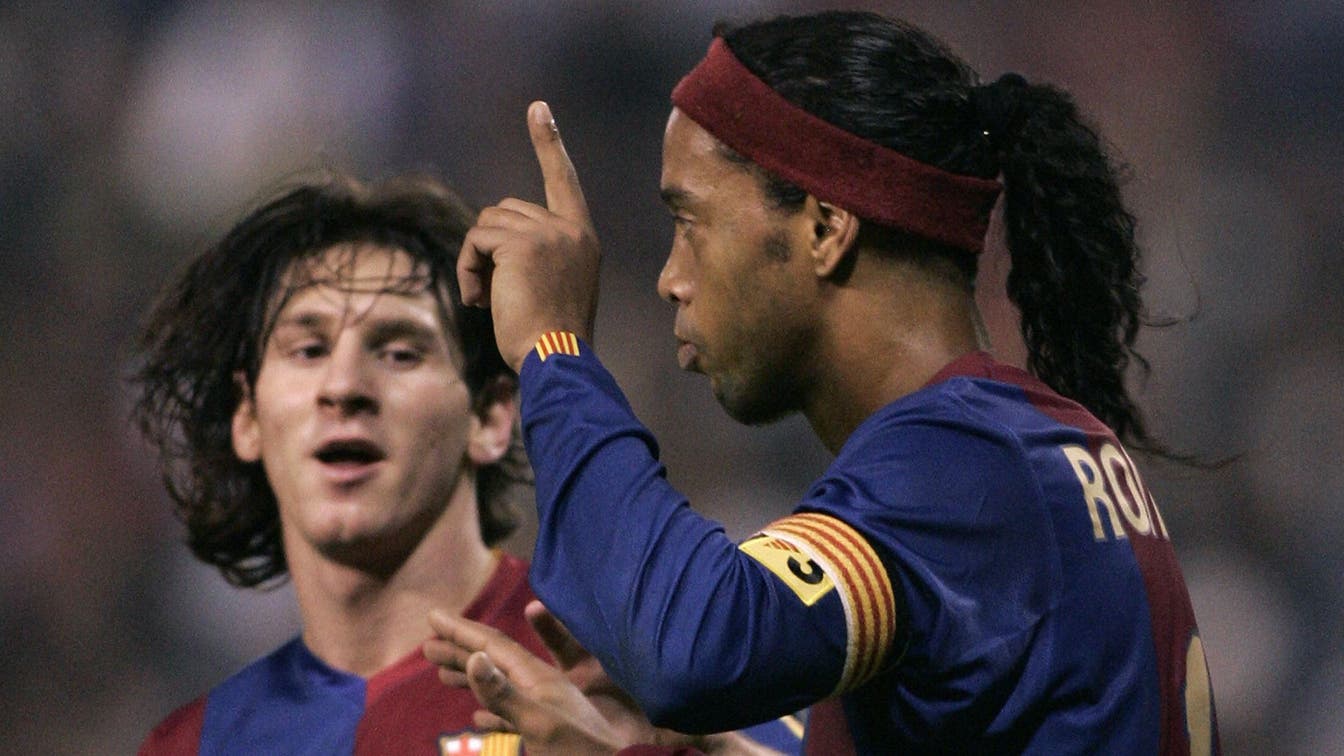
When 16-year-old Messi made his Barcelona debut in a friendly against José Mourinho’s Porto, he was a raw, explosive winger who lived on the right flank.
His main weapon was a devastating ability to cut inside his left foot, a trait that immediately caught Ronaldinho’s attention.
The Brazilian legend, then the best player on the planet, remarked that the youngster would eventually surpass him. In 2005, after a legendary performance against Juventus in the Joan Gamper Trophy, Fabio Capello was so fascinated that he reportedly tried to sign the teenager on the spot.
However, as Messi grew, his managers realized that keeping him stuck on the touchline was a waste of his burgeoning influence.
Frank Rijkaard noted that the more the Argentine touched the ball, the better it was for the team. When Pep Guardiola arrived in 2008, he initially kept Messi on the right, but quickly realized the defensive limitations of the setup.
“The first time Guardiola decided to move Messi away from the wing, it was for defensive reasons,” noted the analysis of a BBC Sport expert. It was a decision born of necessity that would ultimately change the history of the sport.
The false nines and the destruction of Real Madrid
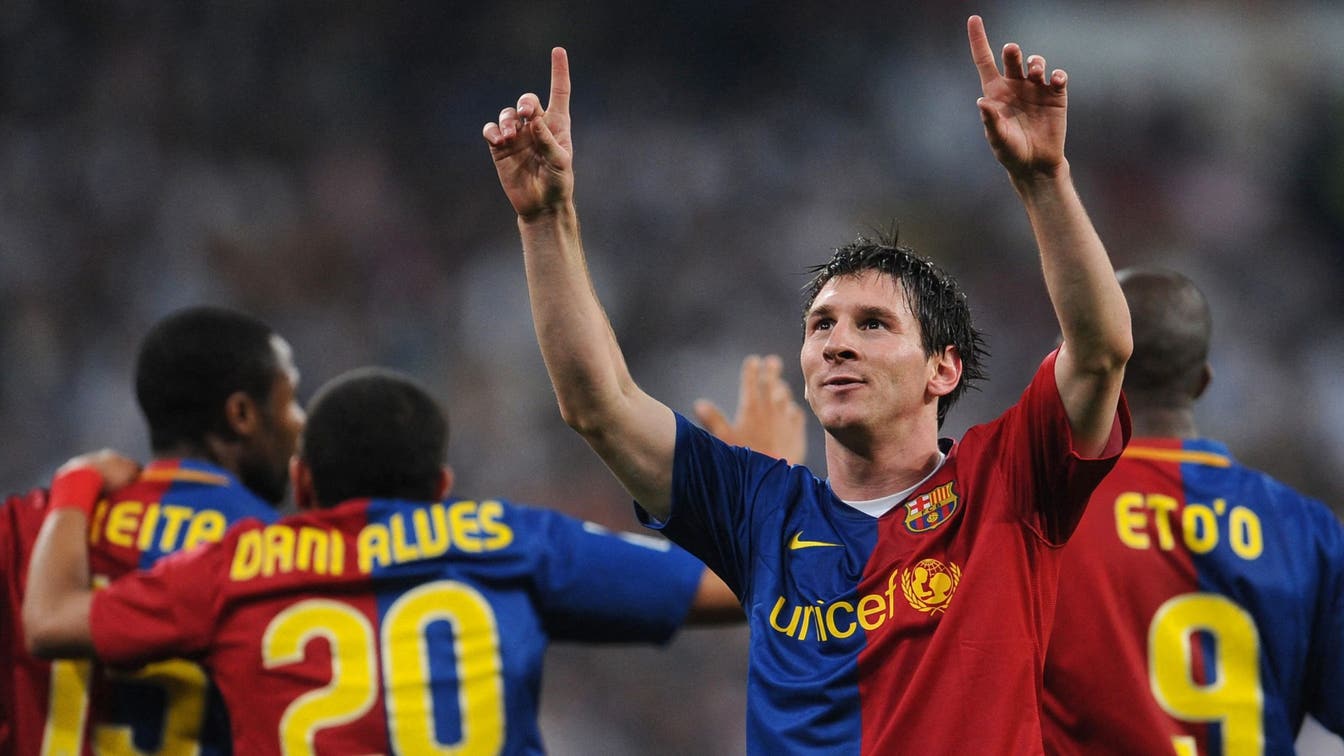
The most important turning point in Messi’s tactical journey occurred on May 2, 2009, at the Santiago Bernabéu.
In a move that would dismantle Real Madrid in a 6-2 humiliation, Guardiola deployed Messi as a ‘false nine’. By moving Samuel Eto’o to the wing and asking Messi to drop deep into midfield, Barcelona created a numerical nightmare for the defenders.
“Before, I didn’t pay much attention to tactics,” Messi told journalist Juan Pablo Varsky in 2024. “But with Guardiola I learned a lot. I started to understand spaces, ball retention, how the game actually works.”
This version of Messi broke the system, scoring 96 goals in 69 La Liga matches between 2011 and 2013. He became the focal point of a team that redefined possession football, winning four consecutive Ballon d’Ors during that period.
By passing between the lines, he forced opposing central defenders into impossible decisions: stay and give him space, or follow him and give space to runners like Thierry Henry. It was a period of pure offensive dominance that saw him win the Champions League twice in three years.
Transition to the “Enganche” engine and role
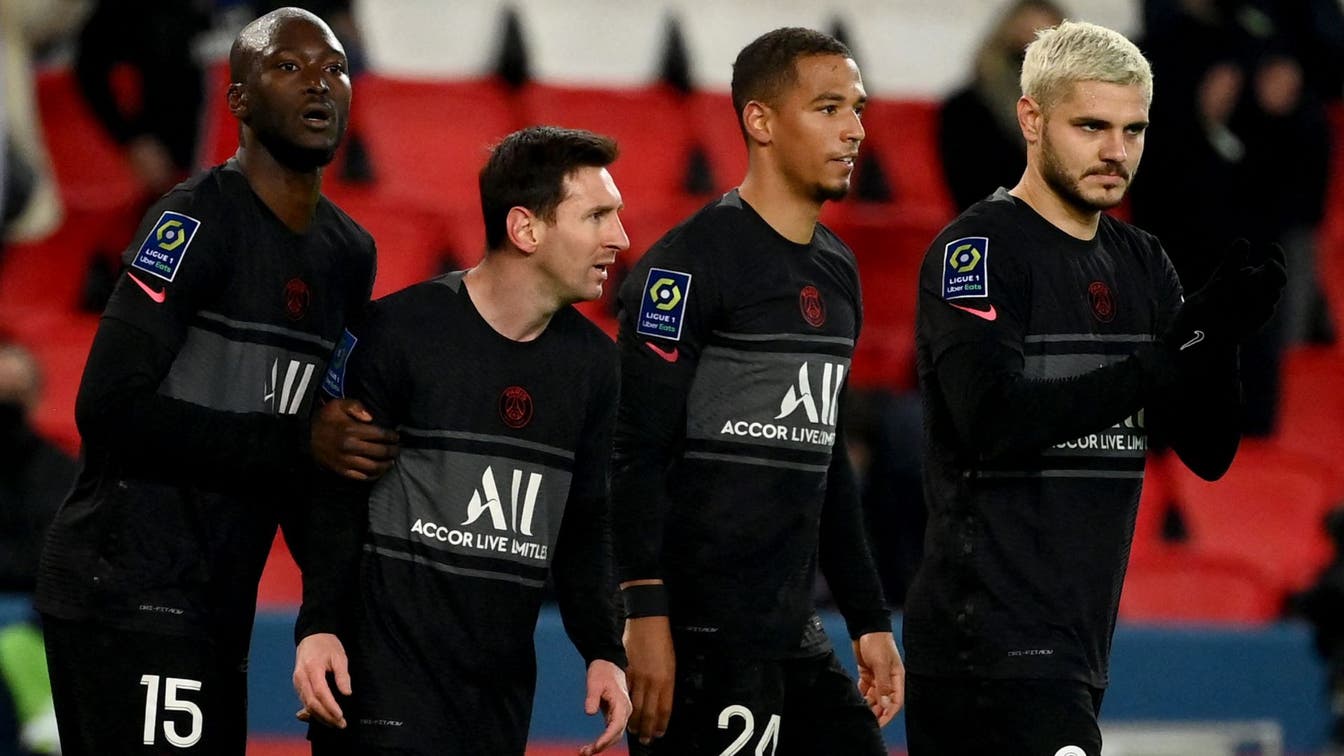
As the legendary midfield duo of Xavi and Andrés Iniesta left the Camp Nou, Messi was forced to evolve once again. No longer just the finisher at the end of the movement, he has become the full-fledged driving force of the team.
During his final years at Barcelona and subsequent transfer to Paris Saint-Germain, he moved to the enganche (hook). He has fallen even deeper to become the primary organizer, balancing his goal production with elite-level play. This was reflected in the statistics; During the 2019-20 season, he recorded 22 assists and 25 goals.
His stay in France further reinforced this change. For the first time in his club career, he recorded more assists than goals in a single season.
An Argentinian analyst described him as “a goalscorer turned Iniesta”. He had successfully transitioned from the man who finished attacks to the man who dictated the entire pace of the match.
As the physical speed of his youth began to fade, his mental processing of the game had reached a level where he was consistently three steps ahead of the opposition.
The release of the captain and the peak of the World Cup
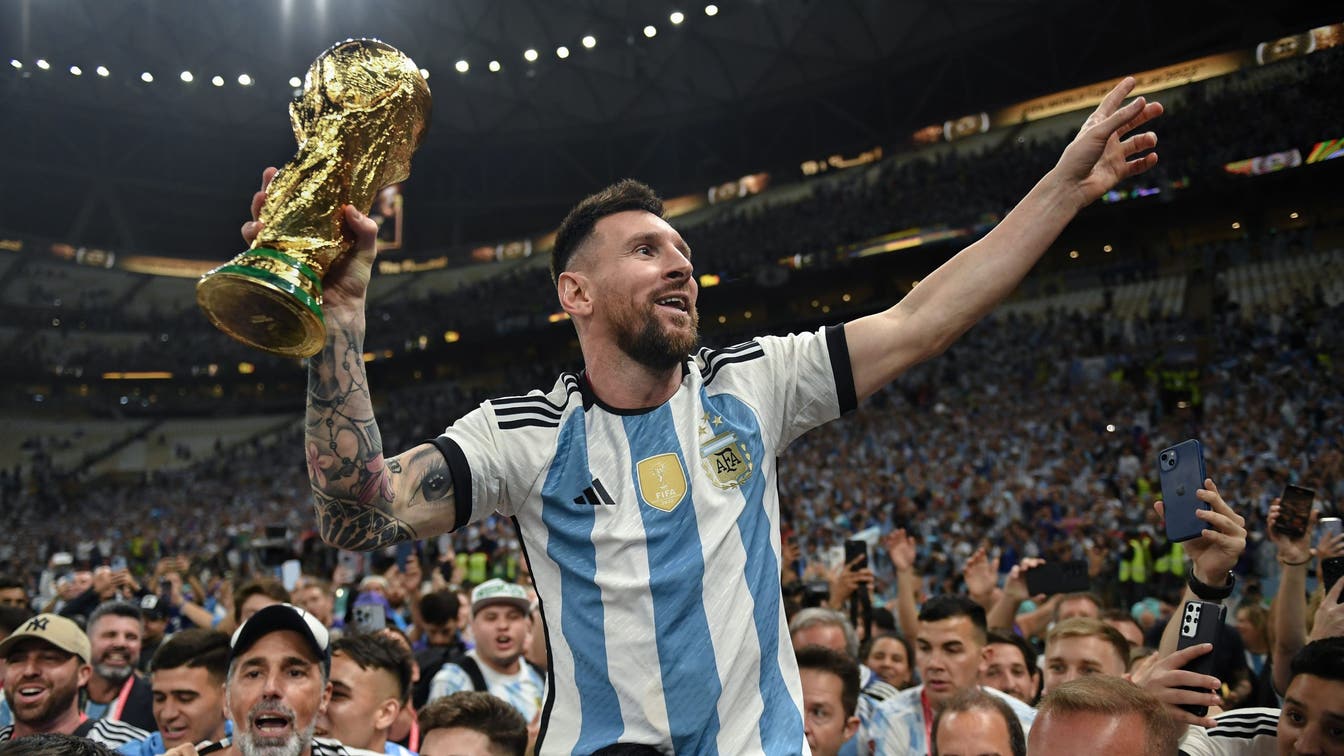
Alongside the evolution of his club, there has been Messi’s transformation into leader with Argentina. After years of heartbreak – including three lost finals in three years – Messi briefly retired in 2016.
When he returned, he was a different character. The quiet, introverted genius was replaced by a vocal, defiant captain who wasn’t afraid to confront officials or inspire his teammates with emotional rhetoric.
“The 2021 Copa América was liberation,” and by the time the 2022 World Cup arrived, he had synthesized every version of his past into one ultimate artist.
In Qatar, we saw the 2009 winger reappear to dance in front of Josko Gvardiol, and the veteran quarterback provide the clinical pass to Nahuel Molina against the Netherlands.
“Football has changed a lot,” Messi told Zinedine Zidane in 2023. “The way of playing, the systems. The game today is much more tactical and physical than before. Before, we found more spaces.”
Now at Inter Miami, he plays the “walking” maestro, saving his energy to deliver decisive blows. As his childhood idol Pablo Aimar said: “The last Messi is always the best Messi”.
As he contemplates one last dance on the world stage, the focus remains on his ability to become someone completely new each time the game demands it. He has “reinvented himself at least five times”, as Guillem Balague points out for the BBC, and he may still have one last transformation left in the tank.
FIFA World Cup 2026: how to watch
The World Cup will take place from June 11 to July 19, 2026. Spread across three countries, the tournament will culminate with the final on July 19 at New York New Jersey Stadium in East Rutherford, New Jersey. All 104 tournament games will be broadcast live on FOX and FS1, with each game streamed live and on-demand in the FOX One and FOX Sports apps.