
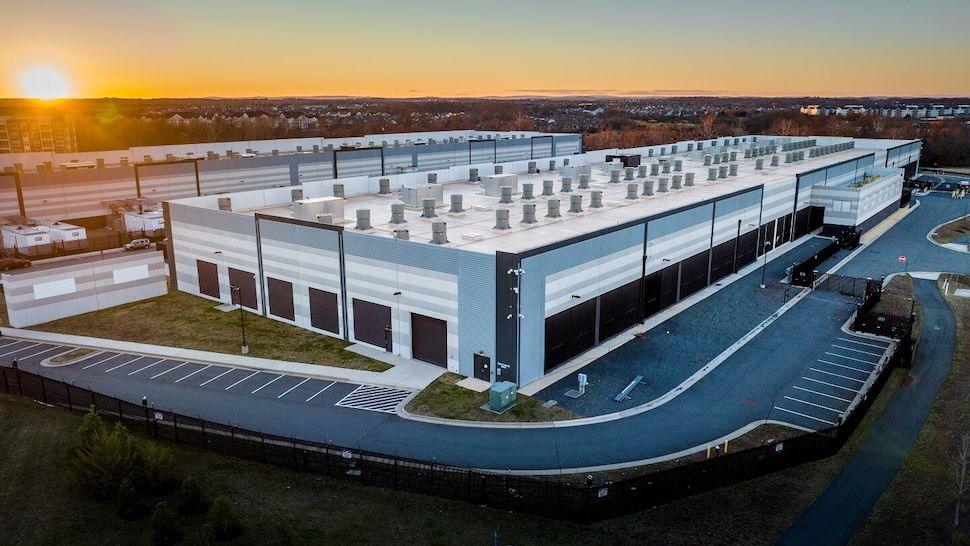
- 517 of the 809 planned data centers in the United States are currently located in locations affected by drought in the past year.
- U.S. regulators are taking note of the direct cooling needs of data centers, but perhaps overlooking the costs of power generation and manufacturing.
- The issue is quickly becoming political for many Americans, 70% of whom do not want to live near a data center.
The United States may be in the grip of a record drought, but AI data center builders and their developers appear unfazed for now.
This is despite growing local frustrations over the detrimental impact of AI data centers on living conditions.
This unprecedented situation affects both electricity production and water supply, but provokes a somewhat muted reaction from political actors in various regions.

AI water needs far exceed closed circuit
The AI industry maintains that closed loops are very efficient in terms of cooling and water usage, and data center operators such as AWS are implementing their own custom loops to take advantage of the situation, but that may just be the tip of the iceberg.
The major problem for most data centers is power: all current builds will require reliable power to support the compute they are expected to host in the near future.
This is particularly difficult at a time when the U.S. grid is already expected to be strained, even as it will pass on rising electricity costs to consumers over the coming years.
In a report published by
As data center construction in the United States continues as much as possible, even as some insurers express concerns, a drought seems more of a secondary concern for companies in the war toward artificial general intelligence (AGI).
This has led some parts of the United States to take a proactive approach, with Seattle effectively banning new data center projects for an entire year as the city struggles with higher electricity costs and a relative lack of tangible benefits for residents.
Water and electricity are shaping up to be the biggest AI challenges over the next decade, even as companies continue to voraciously demand more computing, but others are less enthusiastic about the whole issue, pointing out that there are other concerns at play with rural and conservative populations, a key demographic for the current US administration, being hit hardest by rising water and electricity costs, even though access becomes a greater concern.
Andrew Coppin, CEO of Ranchbot, a tool that allows ranchers to monitor their water consumption, summed up the situation when speaking to The guardian:
“Farmers’ concerns are real and justified. Data centers are all the rage now, but we wouldn’t choose to only be able to shower on Mondays, Wednesdays, and Saturdays. I mean, ChatGPT is a pretty cool tool, but most people would rather have a beef steak if they had to choose.”

Follow TechRadar on Google News And add us as your favorite source to get our news, reviews and expert opinions in your feeds.


