
- NATO wants eight allies to share satellite power without giving up national control
- HALO aims to connect military satellites for faster communications and missile tracking
- NATO says isolated satellite fleets remain vulnerable to jamming, cyberattacks and destruction
NATO has confirmed plans to build a shared satellite constellation intended to strengthen military communications, surveillance and missile tracking within the alliance.
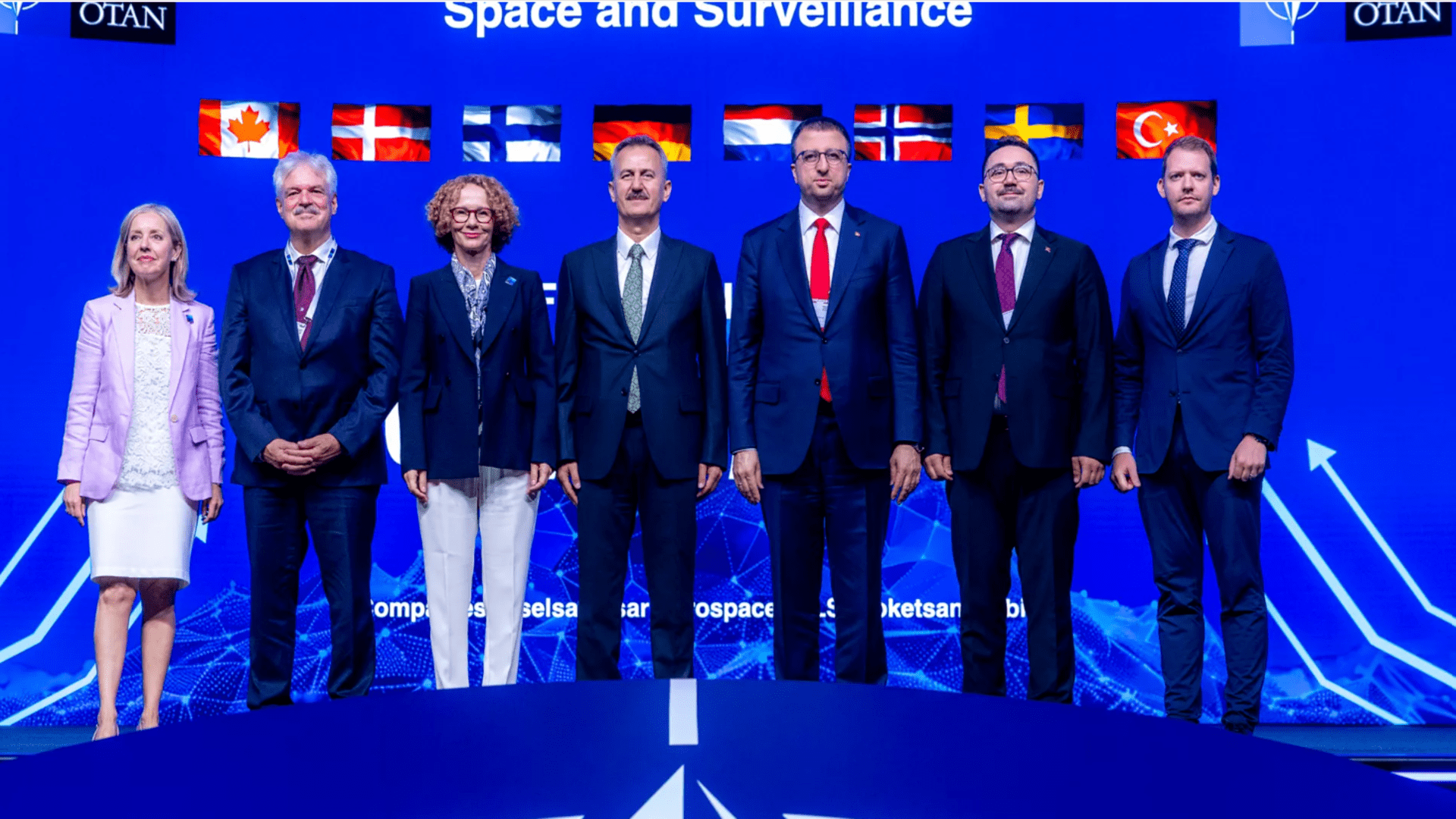
The initiative, called HALO, was unveiled at the recent NATO Defense Industry Summit in Ankara, bringing together eight member countries under a single space framework.
Denmark, Canada, Finland, Germany, Norway, the Netherlands, Sweden and Turkey have all agreed to participate in this emerging space project.

NATO seeks more resilient military space network
HALO, Hybrid Alliance Layered Operations in Space, aims to connect national satellite systems while allowing participating countries to retain ownership and control.
Officials say individual satellite constellations run independently by member countries remain vulnerable to cyberattacks, jamming and physical destruction during conflicts.
NATO Deputy Secretary General Radmila Šekerinska said these fragmented systems are also too slow to effectively relay large volumes of data.
“This new model will therefore be particularly useful for high-speed communications, intelligence and missile tracking, overcoming the cost, time and coverage limitations of single country satellite fleets,” she added.
HALO therefore aims to improve the way in which allied space assets work together during military operations.
The project could also allow NATO members to combine their national capabilities without creating a single satellite fleet controlled by a single country.
“I am really pleased to announce… HALO, opening a new chapter in allied space operations,” Šekerinska said.
Canada and other allies expand their space commitments
This announcement adds to several other space-related commitments made at the NATO Defense Industry Summit in Ankara.
Canada became the 15th NATO member to join STARLIFT, a multinational initiative examining launch capabilities to quickly send allied assets into orbit.
The program aims to expand access to launch services from alliance spaceports, potentially giving NATO members more options when deploying satellites in the near term.
This effort is separate from HALO but reflects the broader desire to strengthen allied space infrastructure.
Spain also became the 19th country to join the Alliance’s Persistent Monitoring from Space initiative, pledging to support coastal monitoring through images provided by its Atlantic Constellation satellites.
Turkey, meanwhile, has announced plans to develop two additional high-resolution satellites intended to expand regional space capabilities.
These distinct commitments demonstrate how NATO members seek both shared networks and national systems.
HALO remains in the exploratory stage, meaning participating allies have not yet established the final constellation design, deployment schedule, or confirmed number of satellites.
Its success will depend on the ability of different national systems to share data securely while maintaining sovereign control.

Follow TechRadar on Google News And add us as your favorite source to get our news, reviews and expert opinions in your feeds.


