
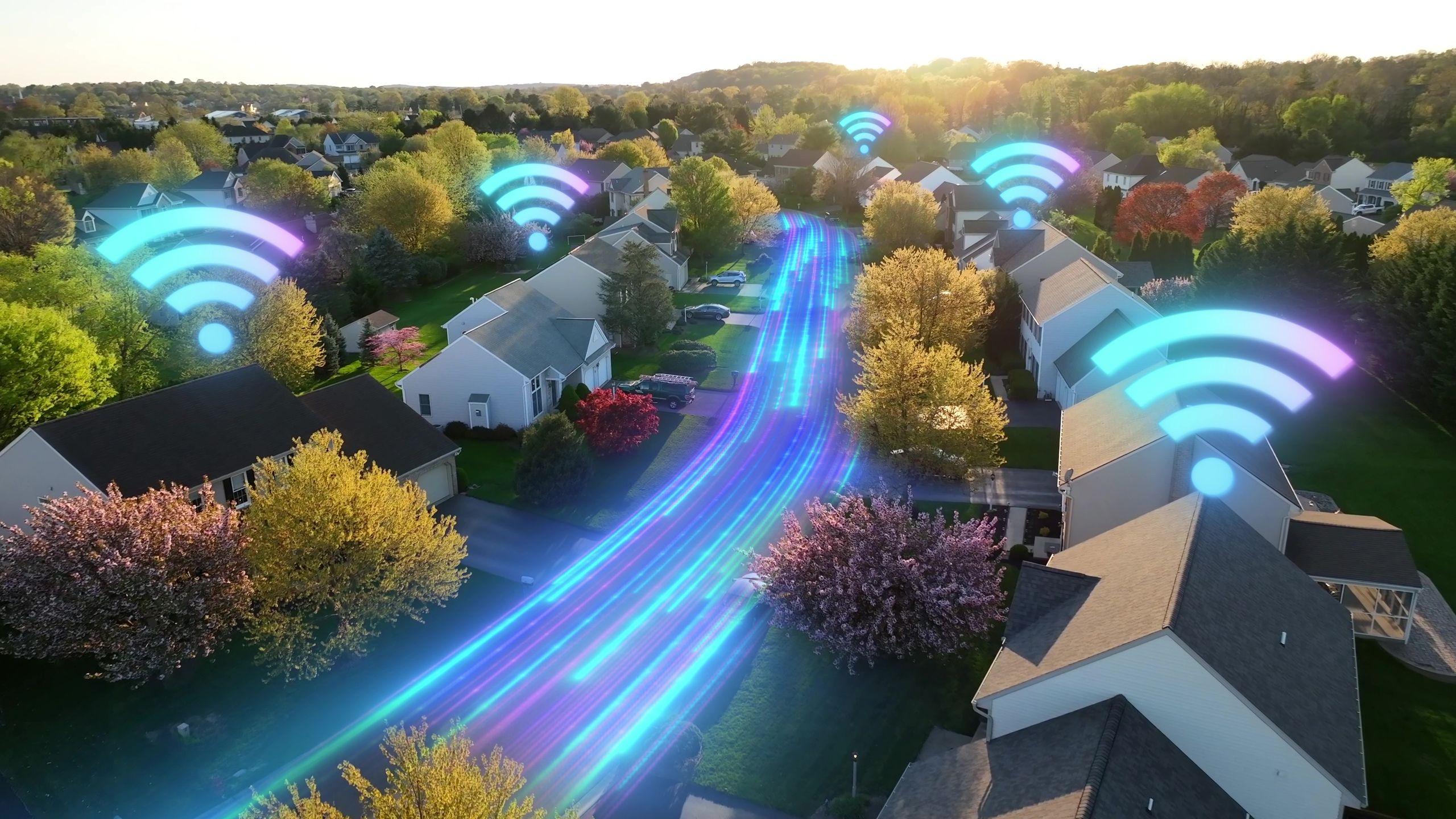
- Ofcom is currently implementing its proposal to use more 6GHz spectrum for Wi-Fi and mobile broadband.
- The higher 6GHz band will be used for better performance in both cases, although it will be Wi-Fi only to start.
- 6G mobile will be part of the recipe in the 2030s, and Wi-Fi and 6G will be able to share the same frequency band thanks to automated frequency coordination technology, likened to air traffic control.
Ofcom aims to increase Wi-Fi speeds in the UK, and potentially mobile data too, by opening up more of the 6GHz spectrum to facilitate this improved connectivity.
So far only the lower band of the 6GHz spectrum has been used, but following a previous consultation Ofcom has just given the green light for the use of the upper band, 6425MHz to 7125MHz. The idea is that Wi-Fi will get priority access to the lower 160 MHz of this upper band (6,425 to 6,585 MHz), with “non-priority access” to the rest (6,585 to 7,125 MHz).
The idea is that most of the spectrum will be shared between Wi-Fi and mobile broadband, with the latter taking priority – although mobile won’t be available until the 2030s. For now, only Wi-Fi spectrum is extended in the UK. As Ofcom says: “This approach enables earlier use of the band by Wi-Fi while preserving the ability of mobile network operators (MNOs) to introduce mobile services in the future. »

Notably, this is the first time that mobile and Wi-Fi services will be allowed to share the same frequency band, and this is facilitated by a technology known as AFC or Automated Frequency Coordination.
As Ofcom explains, this wasn’t previously possible due to the risk of signal crossing and interference, but AFC — which is effectively like an “air traffic control” system for wireless signals — means bands can now be shared in this way.
David Willis, Spectrum Group Director at Ofcom, commented: “Everyone in the UK wants faster Wi-Fi and better mobile performance. Our decision today will allow mobile and Wi-Fi services to share the airwaves in the future, helping to make this need a reality.
Note that a router must support Wi-Fi 6E or Wi-Fi 7 to exploit the 6 GHz spectrum, and of course the devices you want to use on the wireless network must do so as well.
Analysis: a flexible solution
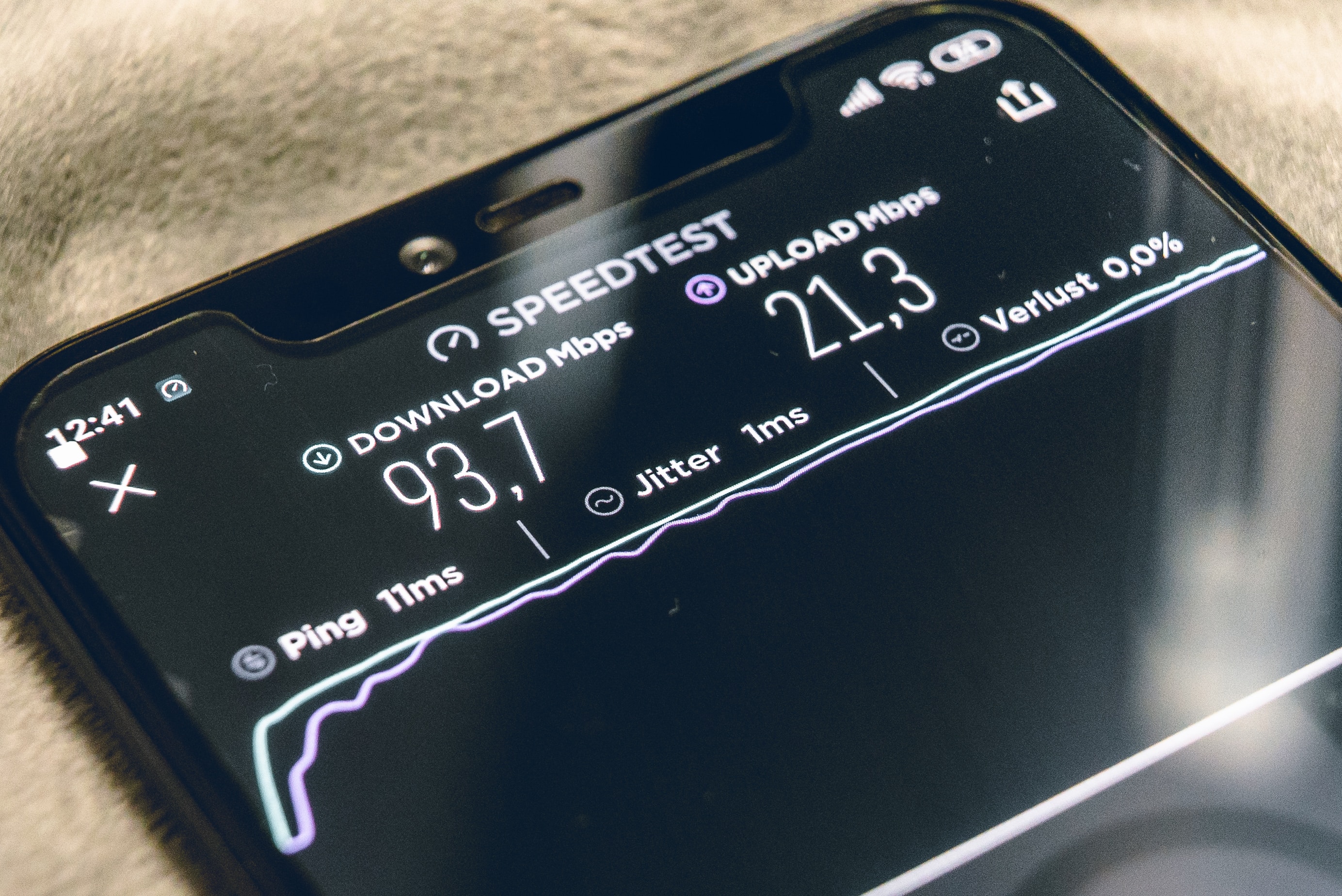
So the move brings more bandwidth, and therefore more headroom, for wireless signals in the UK, starting with Wi-Fi and paving the way for next-generation 6G mobile connections in the future.
The end result will be faster performance and greater capacity in dense environments where many devices are trying to access bandwidth, such as apartment buildings, offices, or stadiums. Ofcom notes that in the latter cases: “Outdoor and higher wattage use is also permitted, but only where the devices are operating under the control of an automated frequency coordination (AFC) system. »
The sharing approach using AFC makes sense as it gives a piece of the pie to Wi-Fi users and mobile network operators, and provides great flexibility in implementation. In remote or rural areas, for example, where 6G is not deployed, the entire upper end of the spectrum will still be available for Wi-Fi use.
Of course, the proof will be with deployment in the busiest areas and how AFC actually works in signal-heavy environments.

Follow TechRadar on Google News And add us as your favorite source to get our news, reviews and expert opinions in your feeds.

The best laptops for every budget


