
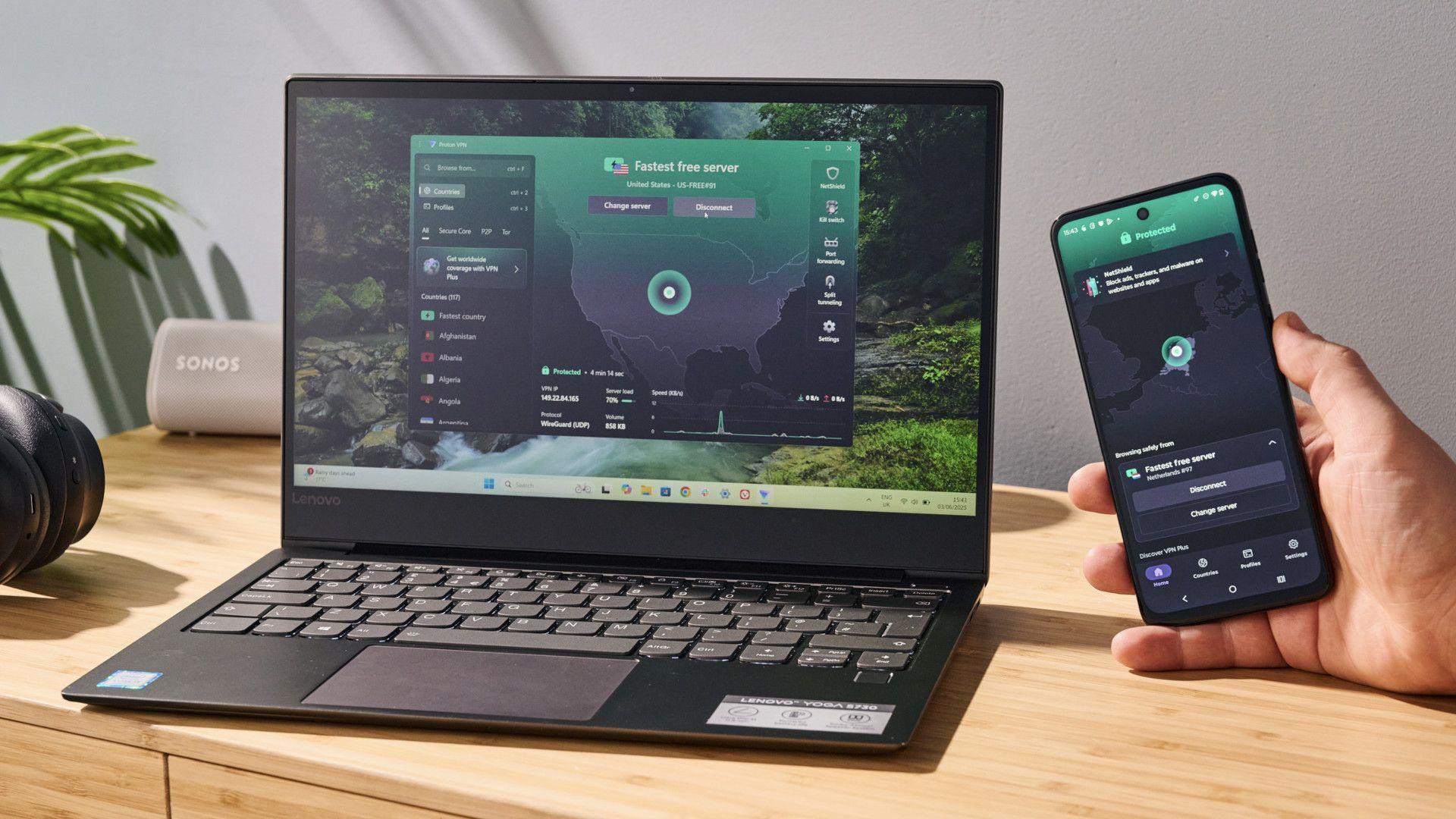
- Proton VPN revealed its Spring/Summer 2026 roadmap
- New client-side WireGuard codebase promises to improve performance
- Linux users benefit from a new GUI and support for the Stealth protocol
With global censorship and internet restrictions increasing, Proton VPN has revealed its Spring/Summer 2026 roadmap, outlining a series of upgrades designed to make digital privacy smoother for its users.
The Switzerland-based supplier announced that its main focus for the coming months was to provide a a faster, more reliable experience across all platforms. Proton VPN is completely overhauling its basic architecture to maintain its place as a serious contender for the title of best VPN.
“The future of privacy isn’t just about stronger encryption or faster protocols,” explained Antonio Cesarano, product manager at Proton VPN, in a blog post. “This makes security simple enough that anyone can use it every day.”
What’s next for Proton VPN users?
The centerpiece of the new roadmap is a brand new client side WireGuard codebase. This experimental core is designed to build faster applications, deliver best-in-class anti-censorship capabilities, and lay the essential foundation for post-quantum encryption.
The new architecture is already available in beta on Android and Windows, with releases planned for macOS, iOS, iPadOS and Linux in the coming months.
Linux VPN users will also get a major upgrade. The proton is rethink your Linux GUI application to align with the sleek appearance found on other platforms. Importantly, the update will introduce long-awaited support for the Stealth protocol, which hides VPN traffic to help users bypass aggressive network blocks and deeply restrictive firewalls.
Windows users are not left out either. After a successful deployment on mobile, Proton will soon bring its granular login preferences in the office. This will allow Windows users to permanently exclude specific countries, cities, and states from their “Fastest Country” and “Random” connection options.
Finally, Proton VPN for Business gets a administrative overhaul. IT teams will soon be equipped with advanced web filtering policies, centralized controls to enforce always-on VPN and split tunneling, and a real-time admin dashboard to monitor network alerts.
A busy first semester
This forward-looking roadmap follows an incredibly busy first half for the provider, which has aggressively rolled out application updates and expanded its infrastructure to an impressive 20,000 servers.
Following the increase in user demand, Proton VPN has expanded its network to cover 145 countries. Adding servers in highly restrictive regions like Gabon, Haiti, Lebanon and Nicaragua has solidified its position as the leading consumer service for global coverage.
Under the hood, the company has worked to modernize its security footprint. It made the bold choice to remove legacy OpenVPN configurations in an effort to improve security, ultimately ending support for OpenVPN on Android altogether.
There have also been major quality of life updates across the board. Windows users received a crucial patch allowing them to use three critical features simultaneously, while iOS users benefited from updates that made securing their iPhones much faster.
Meanwhile, a highly requested Android update fixed user frustrations with the Quick Connect feature, proving that Proton is listening carefully to community feedback.
Follow TechRadar on Google News And add us as your favorite source to get our news, reviews and expert opinions in your feeds. Make sure to click the Follow button!


