
QUETTA:
The Balochistan government has unveiled one of the most significant administrative restructurings in the province’s history, creating new districts, divisions, sub-divisions, tehsils and sub-tehsils with the aim of strengthening governance, improving local administration and bringing public services closer to citizens.
The new administrative framework was notified under sections 5, 6 and 6-A of the Balochistan Land Revenue Act, 1967, which empowers the provincial government to establish new administrative units and revise existing boundaries.
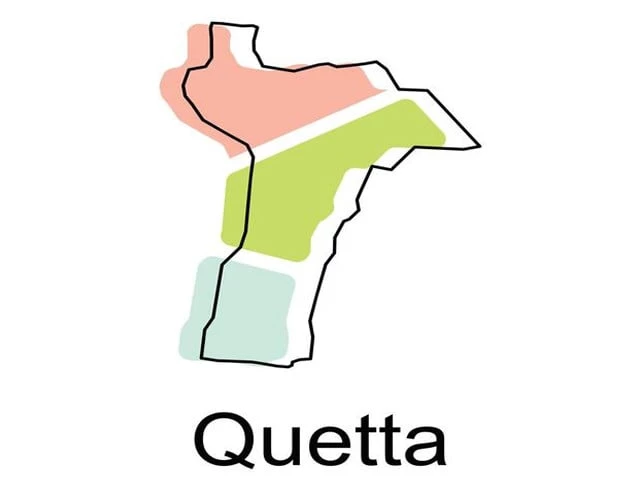
Among the most significant changes is the division of Quetta district into two separate districts: Quetta East and Quetta West.
According to the notification, Quetta East will include Saddar, City and Sariab areas, while the present deputy commissioner’s office will continue to serve as its headquarters.
Quetta West will include Kuchlak, Brewery and Panjpai, with the deputy commissioner’s office to be established in the irrigation department building in Sariab.
The notification also declares Brewery as a new sub-division and tehsil, while Panjpai has been designated as a new sub-division with its head office at Panjpai. The Board of Revenue has been directed to complete the adjustment of patwar circles between Quetta East and Quetta West within a month.
In another key change, Mastung district was transferred from Kalat division to Quetta division. The district will continue to consist of Mastung, Dasht, Khad-e-Kocha (Sub-Tehsil) and Kirdgap (Sub-Tehsil).
The government also abolished the Kalat Division and replaced it with two new administrative divisions – Khuzdar Division and Lasbela Division – significantly reshaping the administrative landscape of central and southern Balochistan.
As part of the restructuring, Wadh was elevated to the status of a separate district after being separated from Khuzdar district. The newly created district will include Wadh, Naal and Ornach.
The provincial government said these sweeping reforms aim to improve administrative efficiency, strengthen governance at the local level and ensure more efficient delivery of public services across Balochistan.


