
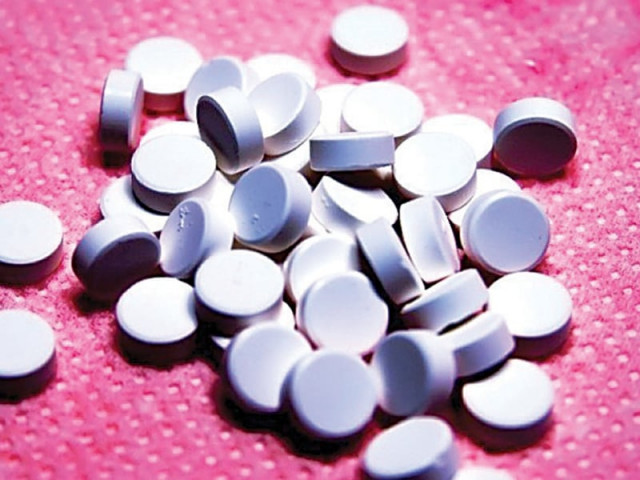
Patients in big cities are struggling as drug prices rise due to weak controls and global supply pressures.
LAHORE/KARACHI/PESHAWAR:
Rising drug prices in Lahore, Karachi and Peshawar are plunging patients into a deepening crisis, as weak price controls, global supply disruptions and policy gaps continue to put essential treatments out of reach.
The situation has worsened amid regional tensions involving the United States and Israel’s war against Iran, which has disrupted global supply chains, increased transportation costs and inflated prices of imported raw materials used in Pakistan’s pharmaceutical sector.
In urban centers, drug prices have increased several times since 2023. Prices have increased by about 50 percent in 2024 and another 30 to 40 percent in 2025, while the imposition of a general sales tax of 18 percent has increased the burden on consumers.
In Lahore, patients say even basic treatments have become unaffordable, even as pharmacies advertise discounts of up to 15 percent. Muhammad Amir, a diabetic patient, said the monthly cost of his medicines has doubled from around 5,000 rupees to almost 10,000 rupees. “If prices continue to rise like this, it will become impossible to continue treatment,” he said.
Noor Mehr, a pharmacist and drug pricing expert, said deregulation of drug prices had weakened oversight. “After decontrol policies, companies set prices themselves, that’s why we see frequent increases,” he said, adding that without close monitoring, patients are left unprotected.
In Karachi, the crisis appears even more volatile, with wholesalers reporting price revisions every 15 to 20 days and, in some cases, multiple increases in a single month. A government employee, Javed, said his blood pressure and cholesterol medications now cost more than Rs 2,000 a month, almost double from two years ago.
Another patient, Ghulam Rasool, who suffers from heart disease and diabetes, said insulin had become both expensive and difficult to find. “Skipping doses is dangerous, but I have no choice due to financial constraints,” he said, urging authorities to ensure affordable access to life-saving medicines.
Pakistan Chemists and Drugs Association President Abdul Samad Budhani said price hikes of non-essential medicines continue unchecked due to political structures. “When the government delays decisions on the price of essential medicines, importers reduce supply, leading to shortages, particularly for essential medicines like insulin,” he said.
In Peshawar, similar concerns are emerging as patients and pharmacists report shortages of essential medicines as well as rising prices, particularly for antibiotics, insulin and pregnancy medicines. Medical professionals say pharmaceutical companies charge arbitrary prices to their customers due to a lack of oversight.
Dr Adnan Rizvi, president of the Pakistan Pharmacists Association of Sindh, warned that irrational prescriptions and self-medication are worsening the crisis. “Doctors often prescribe unnecessary multivitamins, while patients frequently purchase medications without a prescription. If this trend continues, treatment options will become increasingly limited, as no major new antibiotics are expected by 2030,” he added.
Industry players attribute the price hike to several factors, including currency depreciation, rising import costs and dependence on raw materials from India and China, which together provide the majority of pharmaceutical inputs.
Mian Mahmood, owner of a chain of medical stores in Lahore, said global factors play an important role. “If geopolitical tensions escalate further, supply disruptions could worsen, leading to more shortages and higher prices,” he said, calling for government intervention to stabilize the market.
Meanwhile, public hospitals in all three cities continue to face drug shortages, with patients often receiving only partial prescriptions and being forced to buy the rest of the drugs from private pharmacies at significantly higher prices.
Jawad Ameen, Chairman of NAFA Group, highlighted the importance of promoting generic medicines. “More than 80 percent of medicines used globally are generic drugs, which are 70 to 90 percent cheaper and just as effective,” he said, noting that affordability improves treatment adherence and health outcomes.
However, despite regulatory assurances that locally produced generics meet international standards, many patients and doctors in Pakistan continue to prefer branded drugs, limiting the potential benefits of cheaper alternatives.
Wholesalers say the prices of several drugs have increased by 50 to 75 percent over the past two years, with some experiencing repeated hikes within weeks, while no effective control mechanisms appear to be in place.
Experts warn that without urgent policy action, including stricter price regulations, better supply chain monitoring and public awareness campaigns, the crisis will get even worse.


