
- Russia arms Soviet-era planes with airborne FPV interceptor drone launch systems
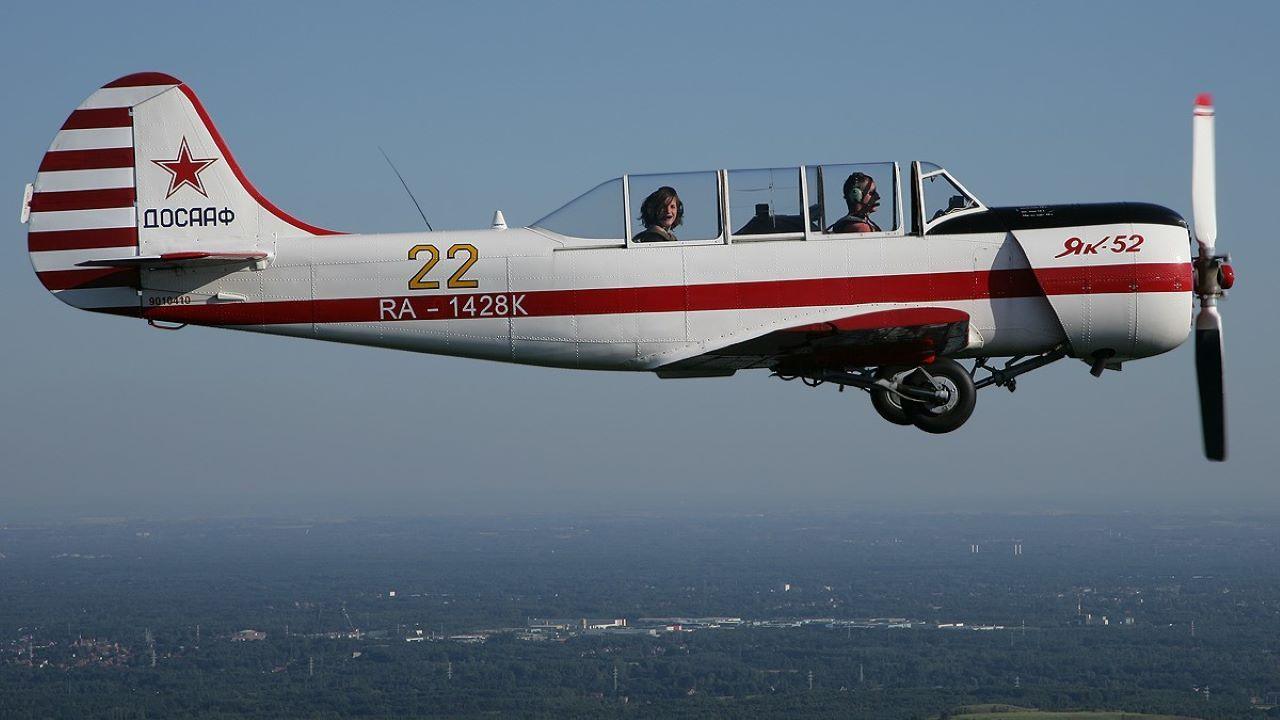
- Yak-52 trainer receives six launch rails for interceptor drone operations
- The eighty-year-old An-2 plays an unexpected role in modern aerial drone warfare
Russia has begun equipping Yak-52 training aircraft and An-2 utility aircraft with equipment designed to launch FPV interceptor drones against enemy drones.
A video released by Russia’s BARS-Sarmat unit revealed two distinct aircraft configurations designed for airborne drone launches.
One configuration is intended for ground launch, while the second version allows interceptor drones to be deployed directly from the air against approaching targets.
Latest videos fromTechRadar
Yak-52 tests raise questions about cockpit space and drone targets
The Yak-52 trainer aircraft carries six external launch rails mounted under its wings to keep interceptor drones ready for deployment.
The footage shows the plane taking off while carrying only four drones despite having six launch positions visible on the airframe.
The Yak-52 is designed with cockpit space limited to two seats, making it unclear how drone control is accomplished aboard this aircraft, as it appears to leave little room for the equipment typically required to operate FPV interception systems in mid-flight.
Russian interceptor drones were also shown engaging several Ukrainian unmanned aerial vehicles during the same exercise.
Some of the drones hit during the exercise appeared to be Maya decoys, alongside several other unidentified UAV types filmed during the flight.
The Yak-52 conversion allows an aircraft originally built for pilot training to take on a completely different function on the battlefield without requiring an entirely new airframe.
Although several technical details remain confidential, the aircraft marks Russia’s latest attempt to combine existing aircraft platforms with less expensive counter-drone technology.
The An-2’s larger cabin allows for on-board control
The An-2 forms the second element of the program, with its larger cabin providing ample space for onboard drone control equipment that is not available inside the more compact Yak-52.
The interceptor drones are launched from a fuselage-mounted attachment point, although Russia has not yet revealed the aircraft’s maximum payload or whether additional underwing launch stations would be introduced.
First introduced approximately 80 years ago, the An-2 remains one of the world’s oldest utility aircraft and continues to operate in both military and civil aviation roles.
Russia has already announced plans to restore 700 Soviet-era An-2 aircraft, making the interceptor drone program another effort to increase the operational value of the aging fleet.
The concept has similarities with Ukraine’s earlier decision to adapt the An-28 aircraft to launch P1-SUN interceptor drones equipped with an optical targeting system against Shahed drones.
These modified aircraft can carry up to six interceptor drones while supporting Ukraine’s multi-layered air defense network as a cheaper alternative to conventional air-to-air missiles.
The latest Russian conversion illustrates how both sides are increasingly adapting their older aircraft for counter-drone missions by combining older airframes with modern FPV interceptor technology.
Via United 24 media
Follow TechRadar on Google News And add us as your favorite source to get our news, reviews and expert opinions in your feeds.


