
- FCC approves testing of satellites designed to reflect sunlight back to Earth
- Startup plans thousands of orbital mirrors capable of extending daylight periods
- Scientists warn that artificial sunlight could interfere with astronomical observations around the world
A California startup has received approval from the Federal Communications Commission (FCC) to test satellites designed to reflect sunlight back to Earth.
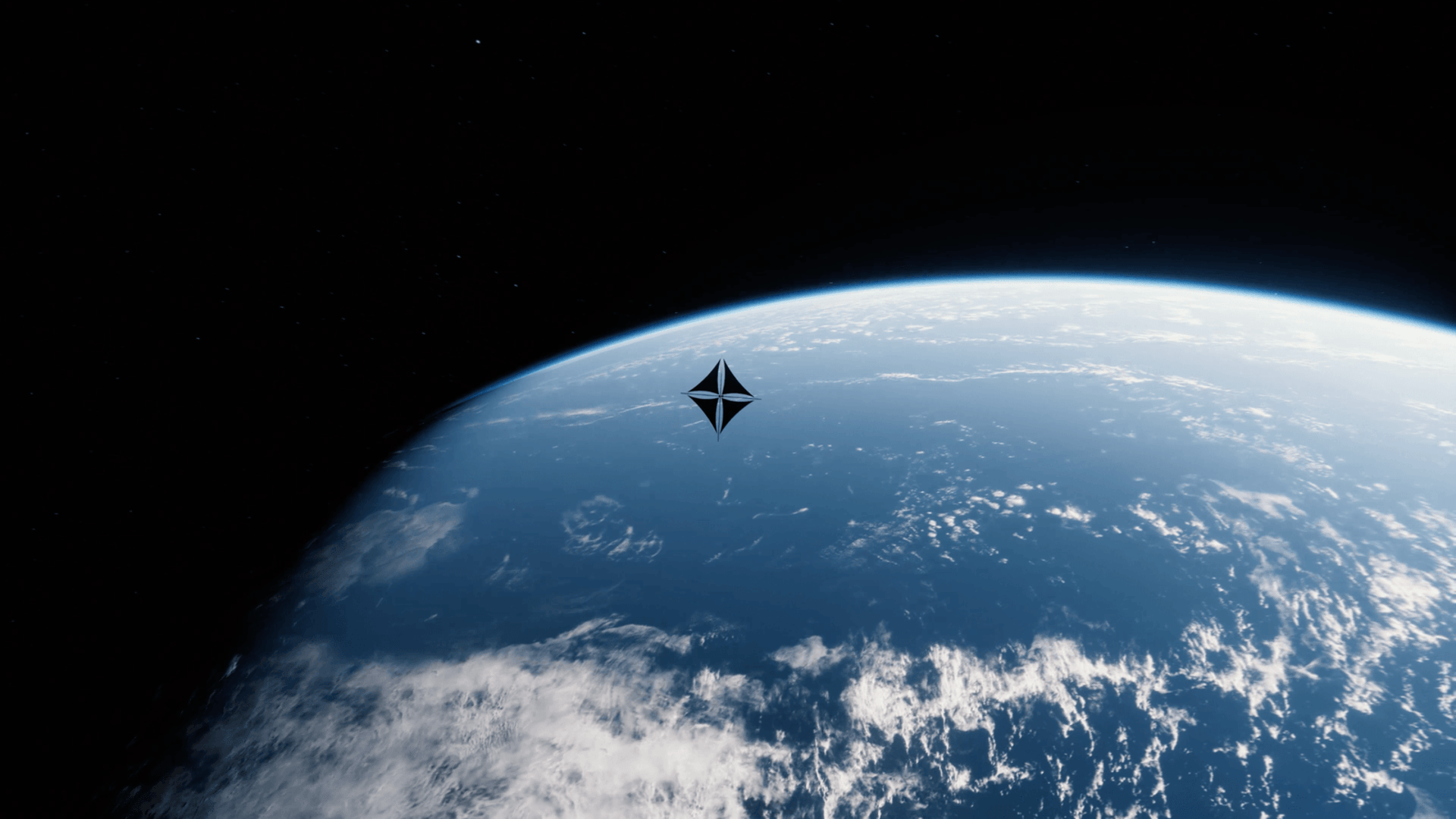
Reflect Orbital plans to launch its Eärendil-1 spacecraft with large orbital mirrors capable of extending daylight in selected areas.
The concept promises new applications in energy and emergency services, although scientists are concerned about its broader consequences.

Reflect Orbital to begin testing ambitious solar light reflection technology
The Eärendil-1 satellite will operate in low Earth orbit with four thin-film reflectors measuring approximately 18 meters in diameter.
Reflected sunlight will be directed to specific locations for short periods, supporting activities such as construction work, search and rescue operations and solar power generation.
Reflect Orbital claims its mirrors could potentially provide up to 36,000 lux, which is roughly comparable to true daylight conditions found outdoors.
The system could also provide around 100 lux continuously, similar to the lighting typically found in standard 24-hour indoor workspaces.
“We are grateful to the FCC for recognizing the importance of testing new technologies in space,” Ben Nowack, CEO of Reflect Orbital, said in a statement.
“This license is the first step toward rigorous testing of the effectiveness of our technology and the safeguards we have developed.”
The idea has drawn comparisons to the fictional satellite Icarus from the James Bond film Die Another Day, where an orbital reflector was designed to bring sunlight into dark regions.
Although the actual technology differs significantly from the film’s concept, critics say similar questions about unintended effects remain relevant as deployment plans develop.
Astronomers and environmental groups warn of possible impacts
Astronomers have expressed concerns that sunlight reflected from thousands of satellites could interfere with observations of faint objects in the night sky.
Tony Tyson, chief scientist at the Vera C. Rubin Observatory, described the proposal as “even crazier” than previous satellite constellation challenges affecting astronomical research.
The European Southern Observatory has warned that a full deployment could increase the brightness of the sky at its facilities by three to four times, reducing the ability of telescopes to detect distant and faint astronomical sources.
Researchers also argue that artificial nighttime lighting could affect biological systems that depend on natural day and night cycles.
These concerns concern plants, animals and humans, whose normal behavior depends on predictable environmental patterns.
The FCC has stated that scientific and environmental issues are outside its direct regulatory authority, which focuses primarily on communications services involving radio, television, satellite and related systems.
The agency approved the tests because it believes authorization of new space technologies supports innovation and economic development.
Critics might instead seek advice from agencies such as NASA and the Environmental Protection Agency, which deal with broader issues involving space activity and environmental effects.
Whether orbital mirrors will become a useful technology or create unexpected challenges will depend on future testing, monitoring and independent scientific evaluations.
Via Tom’s material

Follow TechRadar on Google News And add us as your favorite source to get our news, reviews and expert opinions in your feeds.


