Key takeaways
- Hantavirus is officially over
- Ebola virus spreads in DR Congo
- Tons of supplies delivered to earthquake-hit Venezuela
- Air pollution remains an “invisible” killer
- Young people must be protected online
Taking the world’s temperature on pressing health issues, WHO Director-General Tedros Adhanom Ghebreyesus took stock of current global challenges and successes in international cooperation.
“The Hantavirus, Ebola and Marburg outbreaks all show why there is no alternative to international cooperation in the face of international threats: no country can fight alone“, he said.
As regions scramble to respond to these outbreaks, Tedros reiterated that next week provides an opportunity for such collective action as the agency’s member states continue negotiations on the WHO pandemic agreement’s pathogen access and benefit-sharing system.
“The hantavirus epidemic is over”
Currently, the total number of cases due to the outbreak remains at 13, including three deaths, and more than 650 contacts have been identified and followed up by health authorities in 33 countries and territories.
“Today, the last contact of a person exposed to hantavirus on the cruise ship MV Hondius “They completed their quarantine period, tested negative and returned home,” Tedros said, adding that no further cases have been reported since May 25.
The spread of Ebola continues
As of Thursday, 1,406 Ebola cases were confirmed and 438 people have died as the outbreak continues to expand in the Democratic Republic of Congo (DRC), with an average of 38 new cases confirmed every day over the past two weeks.
In Uganda, no new cases of Ebola have been reported since June 21.
The response has been strengthened under the leadership of the DRC government, the WHO chief said, highlighting the expansion of testing capacity to 10 laboratories set up closer to communities as well as improved contact tracing and treatment capabilities.
On Thursday, a clinical trial of two treatments was launched, with the recruitment of the first patient, and WHO placed the first molecular diagnostic test for the Bundibugyo virus on the emergency use list, Tedros said.
“Despite all this progress, we continue to face significant challenges, including mistrust and violence,” the WHO chief said, noting that this week an Ebola treatment center in Ituri province was attacked and burned, leading to the deaths of two people and patients fleeing.
Updates from Venezuela
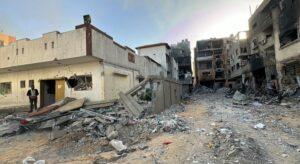
Last week’s twin earthquakes left more than 2,300 dead, more than 5,000 injured and nearly 16,000 homeless as search and rescue efforts focus on recovery, with the total number of casualties likely to rise significantly.
“The earthquake worsens an already serious humanitarian crisis, straining a health system that was already struggling to meet the needs of the population,” Tedros said.
To help you, WHO has:
- Disbursed $1.5 million from its contingency fund for emergencies
- Has sent more than six tons of emergency medical supplies, with an additional 28 tons expected to be shipped in the coming days.
- Coordinated the work of international emergency medical teams, present on the ground to treat the injured.
- Supporting the national health system to provide routine care to those who need it
Pollution remains an “invisible” killer
Today, 6.5 billion people are exposed to air pollution, exceeding WHO’s interim targets of 35 micrograms per cubic meter, with this “invisible threat” linked to diseases including heart disease, stroke and lung cancer, and associated with 6.7 million premature deaths each year.
Protecting young people online
Highlighting the impact of social media and other digital environments on young people’s health, Tedros said digital environments “are not neutral” and “how they are designed, governed and monetized shapes many aspects of our lives, including health.”
Algorithms increasingly filter health information to increase attention and engagement rather than accuracy, allowing the spread of misleading claims, he said, noting that WHO is responding by strengthening research, advising countries and promoting safe and equitable digital health environments.
“Above all, we must listen to young people,” Tedros said. “They are not experimental subjects, nor a captive market, nor a commodity. They are our future. Together, we can and must shape digital environments that protect and support their health.