
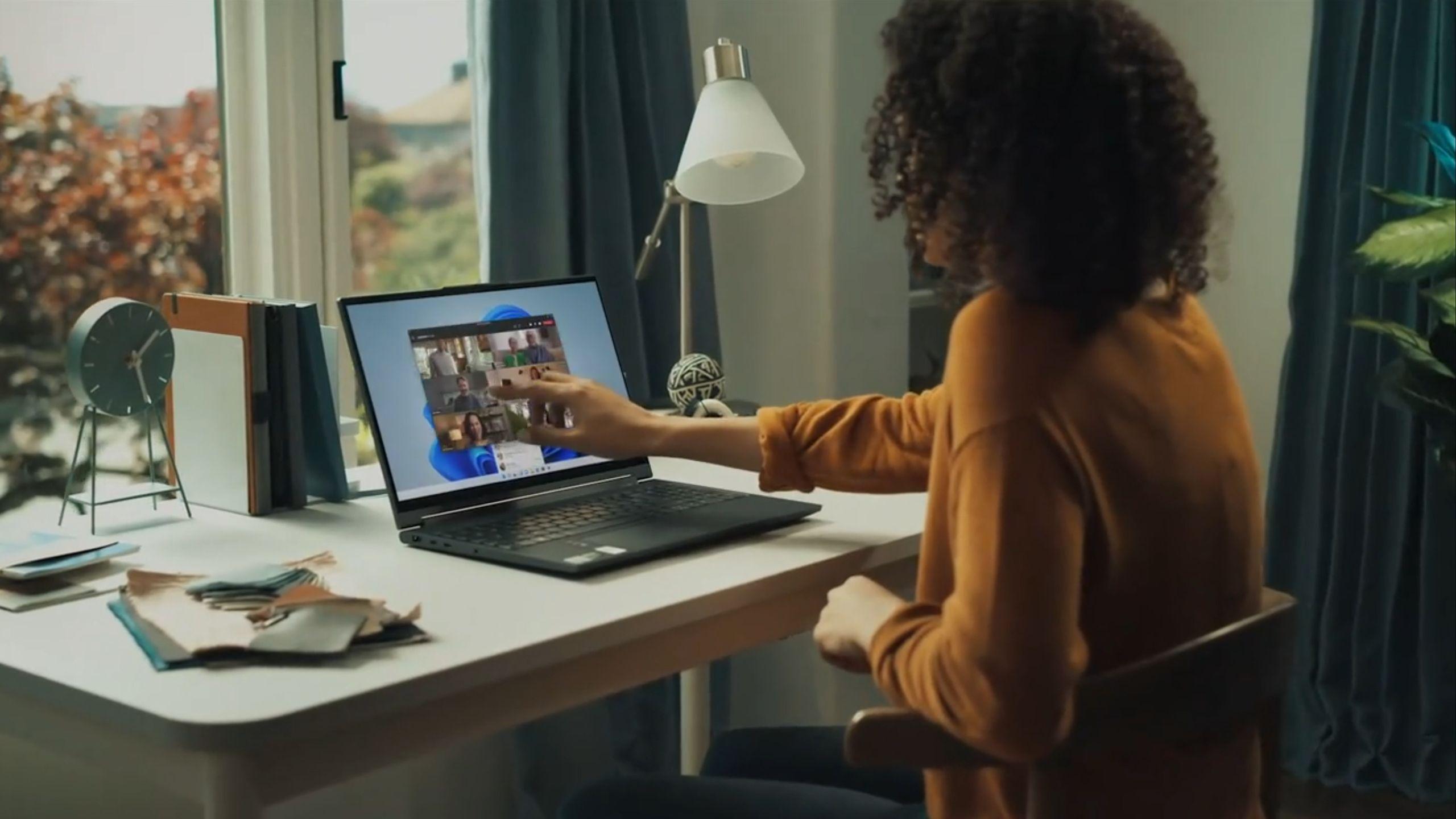
- The Windows 11 May Update has just arrived
- It contains a new Xbox mode which will be well received by players
- There are also new features for haptic touchpads, useful changes for voice input, and updates to the Windows 11 interface in general.
The Windows 11 May Update is here, and it’s quite busy, bringing several changes for those installing the patch. There’s some good stuff here, and I’ll summarize the highlights in this article.
Read on to find out which patch KB5089549 – for Windows 11 versions 24H2 and 25H2 – is packaged, and if you’re currently trying to decide whether or not it’s worth jumping into. Although I always advise a little caution before directly downloading an update, as it’s worth waiting a day or two to see if there are any nasty bugs creeping in the works.
Note that these changes may have already been picked up by some people who installed the optional update for Windows 11, made available in late April (as it was an advance version of this May patch).


1. Xbox Mode: an important mode for gamers
One of the major changes in the Windows 11 May Update is the rollout of Xbox Mode. This is undoubtedly a highly anticipated feature for many Windows 11 gamers, especially those with handhelds like the Asus ROG Xbox Ally X.
Xbox Mode is a full-screen experience (actually, it was previously called that, or “FSE” for short) with a simplified, controller-friendly interface, and it also controls Windows 11’s resource usage to help games run better. When you schedule a gaming session, this is the mode you can switch to on handhelds, laptops, or desktops.
Note that this feature is currently in a controlled rollout, which means you might not see it right away – or even it might take a while to arrive (and we’ve discussed that elsewhere today).
2. Haptic goodness
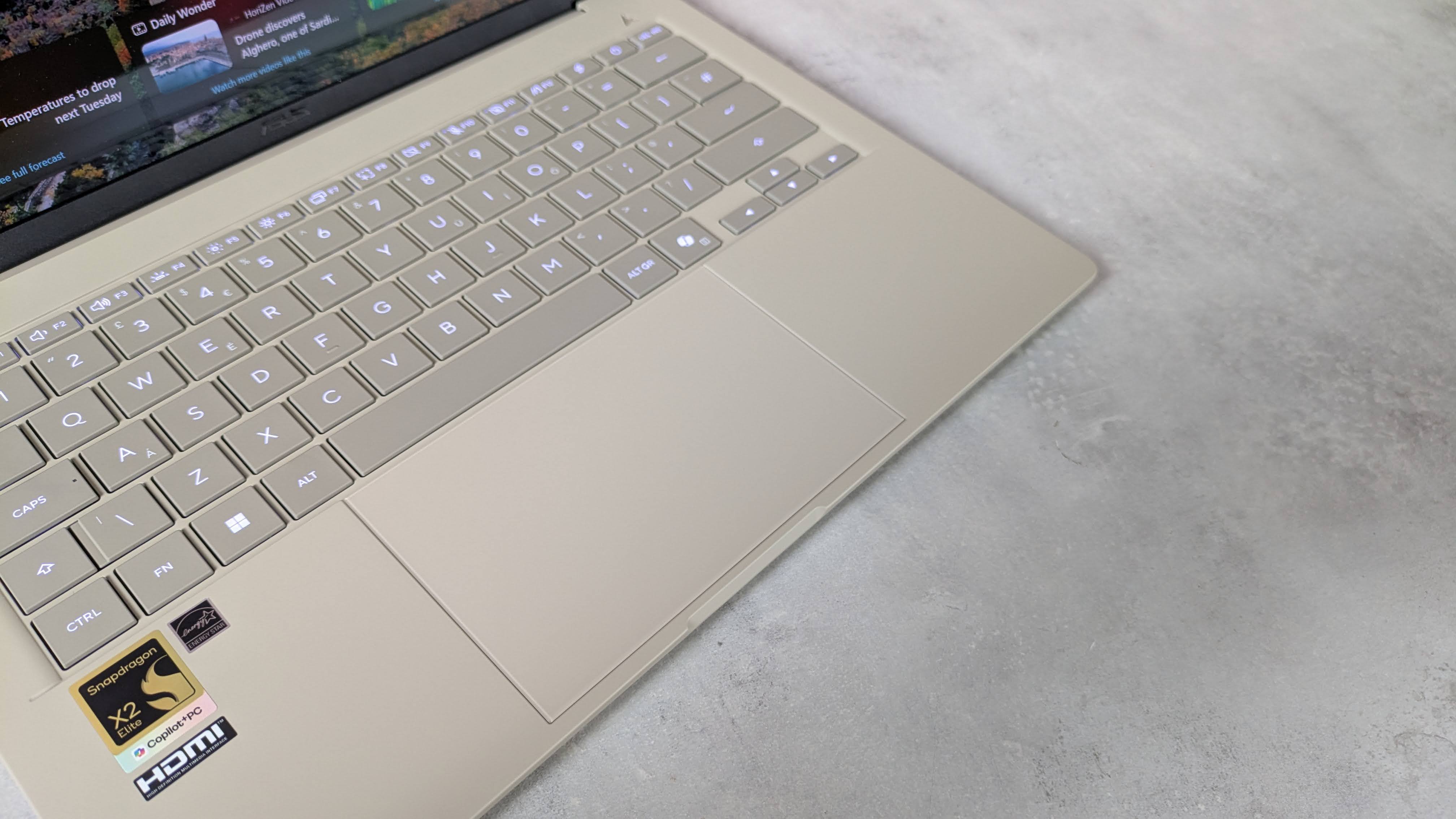
The May update brings haptic feedback for compatible input devices that will occur during certain actions – Microsoft mentions snapping or resizing windows, or aligning objects in PowerPoint. This should be a feature that significantly improves the experience of laptops with haptic touchpads, as you’ll get a nice physical “snap” when these objects are aligned, for example.
Note that this also affects compatible pen hardware, including the Surface Slim Pen 2, Asus Pen 3.0, and MSI Pen 2. Microsoft adds that some mice, like the Logitech MX Master 4, should work well with this feature in time (but not yet – only when the hardware receives an update).
3. Voice typing is improving
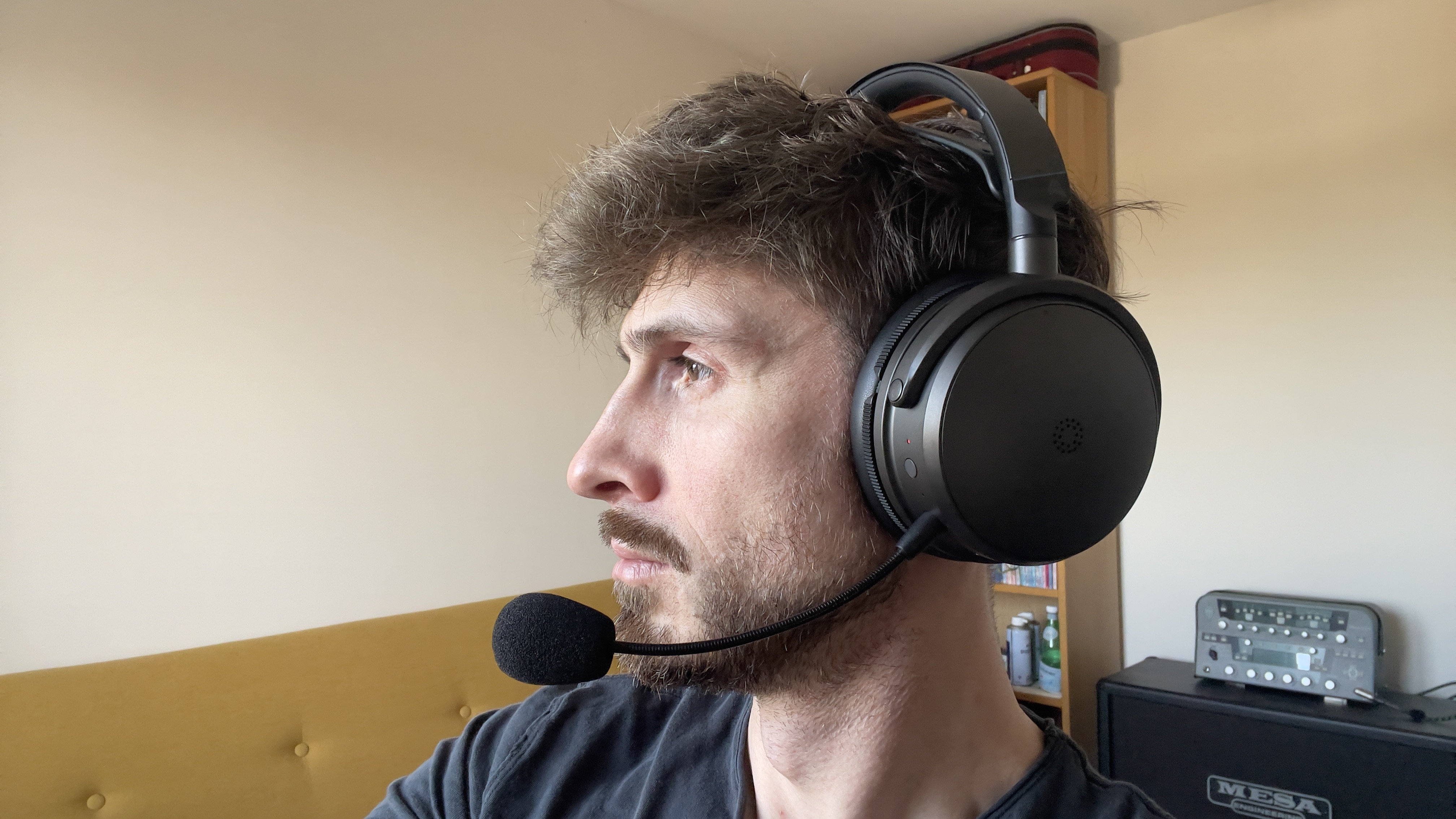
Voice typing is one of those Windows 11 features that goes unnoticed, but it’s something I still use from time to time (and in the past I’ve found it invaluable and used it a lot to help with the symptoms of repetitive strain injury).
So it’s good to see that you can now rename files using voice input, and on top of that, the May patch “improves the persistence of the Fluid Dictation setting in voice input.” In other words, the Smooth Dictation feature, which removes filler words (“you know” or “like”) and automatically corrects grammar and punctuation errors, will now remember the settings you use (instead of randomly resetting them).
Additionally, using voice typing when you open the Windows 11 touch keyboard has been improved as there is no longer a full-screen overlay and voice typing animations appear directly on the keyboard’s dictation key. It’s a much neater way to work and a useful adjustment.

4. Interface Improvements – for File Explorer specifically
While it’s not a single feature as such, a lot of work has gone into perfecting Windows 11’s interface and fixing issues with it, which is part of why the May update is worth downloading.
This work includes, but is not limited to, improvements to File Explorer, such as ensuring that your view (and sorting) preferences are maintained more consistently (whereas, as you may have noticed, opening certain folders sees the view layout reset to something else, which is very annoying). Speaking of very annoying, this new update also (finally) ends the ‘flashbang bug’ where annoying white flashes would appear on the screen in certain circumstances (like when opening ‘This PC’).
There is also a performance tweak to ensure that File Explorer processes are properly implemented when you close it, so as not to use up system resources unnecessarily.
Outside of File Explorer, Microsoft has made Windows Hello facial recognition more reliable, which will be useful for those who use it for their laptop logins. They also improved the general reliability of loading the system tray (far right of the taskbar). Some “unexpected” errors when installing apps from the Microsoft Store have also been fixed.
As this year progresses, we’ll undoubtedly see many more interface and performance improvements, all of which will be part of the big effort to fix Windows 11 in 2026.

The best laptops for every budget

Follow TechRadar on Google News And add us as your favorite source to get our news, reviews and expert opinions in your feeds.


