
Refresh
This is an “Australia plus” ban
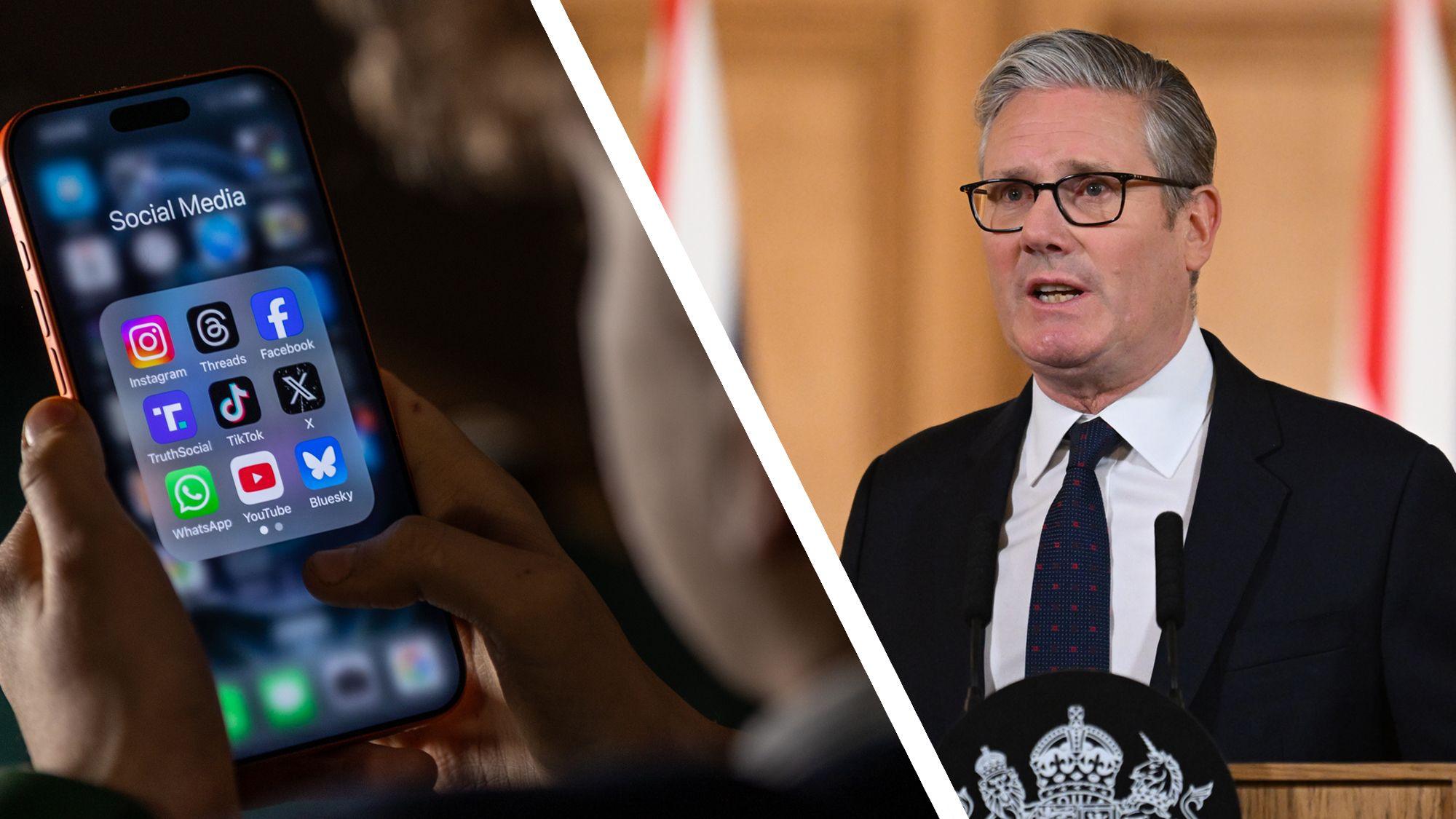
As expected, the UK’s proposed social media ban for under-16s follows a so-called “Australia plus” model. This means it follows the direction of Australian law in restricting access to social media apps for children, but also adding additional restrictions for platforms that are not banned.
The UK says this will include “world-leading blocks on harmful features such as live streaming and communicating with strangers with children for under 16s” and will affect “a wider range of online services, including on gaming sites”.
And that’s not all: the government says it will also “look further into nighttime curfews and infinite scrolling disruptions for under-18s.” Exactly how this could be implemented is unclear, which is why Prime Minister Keir Starmer said the UK would “set out more details in July”.
Which platforms are affected?
The UK government’s statement lists some of the main platforms that will be affected by its proposed ban. These are
- Snapchat
- TikTok
- YouTube
- X
The UK government says “we do not intend to include messaging services like WhatsApp and Signal in the social media ban.”
However, restrictions are also planned for “so-called AI ‘romantic companion’ chatbots – designed to simulate sexual relationships or role-playing with users”, which “must impose a minimum age of 18”.
The statement added that “similar intimate features will be more widely restricted to under-18s on AI chatbots.”
Hello and welcome to our live blog about the UK’s historic social media ban on under-16s.
We’ll round up all the latest news, reactions and more here today, but first a quick overview of what happened.
The United Kingdom this morning announced a ban on social media for under-16s. The statement said social media is “designed to be addictive” and that the restrictions will result in “less time scrolling and more time playing.”
The government says it will “use the same social media ban model as Australia”, meaning platforms will include Snapchat, TikTok, YouTube, Instagram, Facebook and X. It will not include private messaging apps like WhatsApp and Signal.
If passed by Parliament later this year, the ban is expected to come into force from spring 2027.


