
- Flamingo offers greater range while costing about half the price
- Cheap missiles force expensive defense strategies to evolve quickly
- Ukrainian defense industry becomes impossible for competitors to ignore
Ukraine’s defense industry is increasingly producing weapons that promise comparable effects on the battlefield at significantly lower costs than their Western counterparts.
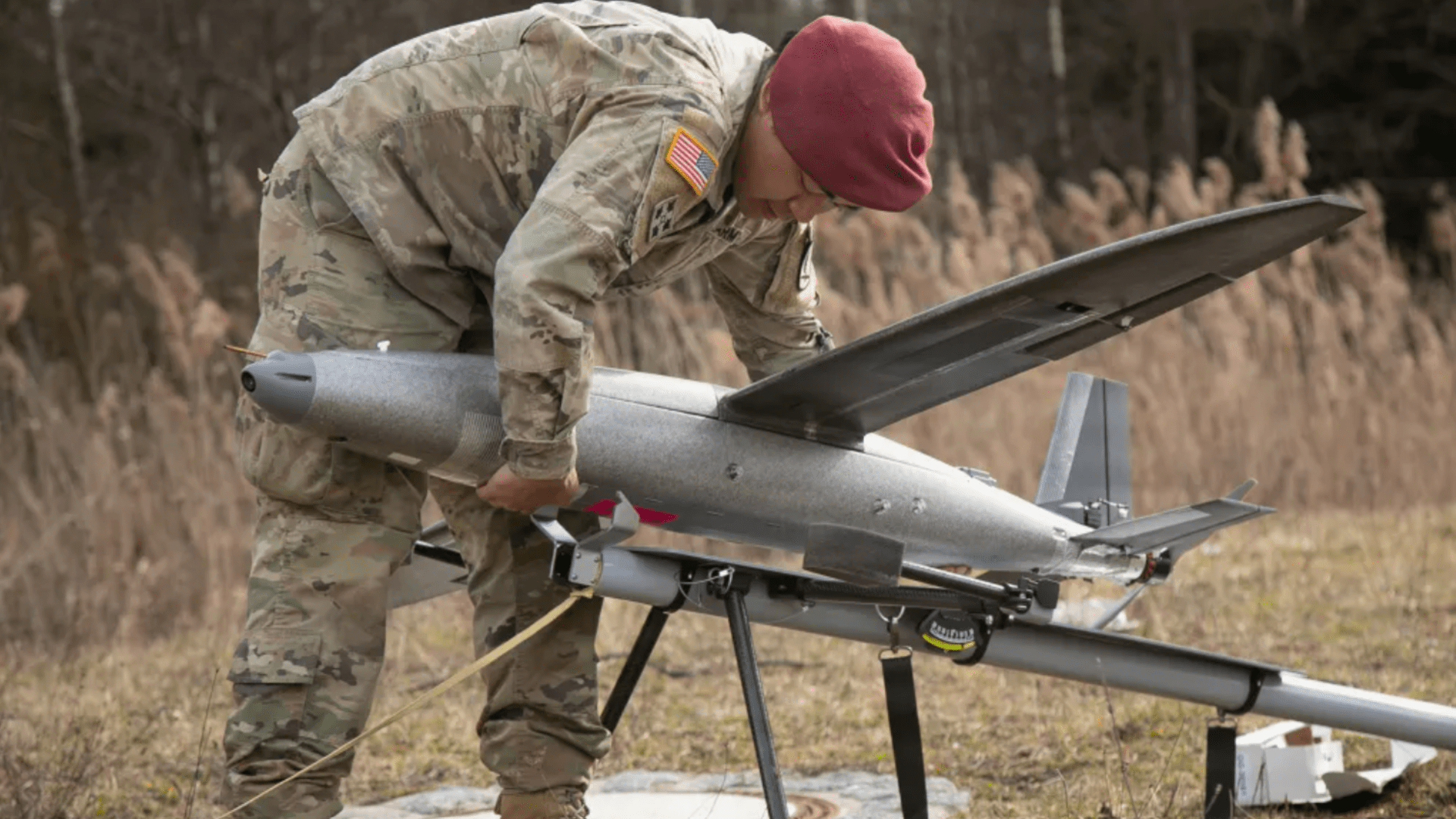
Fire Point’s Flamingo cruise missile has become one of the clearest examples of this broader shift in production.
A new report from The Atlantic says it travels about twice as far as the American Tomahawk while carrying a larger payload for about half the cost.

Cost-driven innovation is reshaping missile production
Fire Point founder Denys Shtilerman says the company now produces about 200 long-range drones every day, as well as up to three Flamingo cruise missiles.
The Flamingo reportedly achieved its lower production cost in part by using recycled jet engines from old Soviet aircraft instead of new propulsion systems.
The missile also relies on carbon fiber construction rather than conventional aluminum alloys, while the drone’s wings contain lightweight foam.
That’s because durability beyond operational requirements offers little financial value and “they have to fly for 15 hours. Anything beyond that is a waste of money,” Shtilerman explained.
This approach differs sharply from that of many traditional Western weapons, where long life often trumps manufacturing economics when making development decisions.
The comparison naturally extends beyond cruise missiles, as pressure to reduce costs is already influencing established U.S. defense companies facing the changing realities of the battlefield.
Lockheed Martin recently introduced the PAC-3 Adapted Capability Effector, or ACE, which is expected to cost less than half the price of the PAC-3 MSE interceptor, currently valued at more than $4 million each.
This places the projected price of the ACE below $2 million while allowing more expensive interceptors to remain available for the most demanding ballistic missile threats.
Such developments suggest that traditional manufacturers are increasingly recognizing that affordable, mass-produced systems can become just as strategically valuable as technically superior but significantly more expensive alternatives.
Cheap weapons can have expensive consequences
Flamingo’s lower production cost could have consequences beyond the battlefield, as wartime-effective systems often attract foreign manufacturers seeking industrial partnerships and joint production agreements.
Europe has already started moving in this direction after nine countries joined Ukraine in announcing an integrated coalition against ballistic missiles, supported by Ukrainian missile technology and industrial experience.
These partnerships are unlikely to be limited to procurement, as manufacturing knowledge, production techniques and engineering expertise often accompany long-term industrial cooperation between defense companies.
Similar developments followed the war in Iran, where battlefield successes became an effective public relations opportunity for companies seeking new business relationships with foreign governments and manufacturers.
Ukraine could now follow a comparable path because combat-tested systems provide valuable credibility when negotiating production deals with potential international partners.
Shtilerman welcomed this direction, saying: “It is not America that decides whether Europe can defend itself. Europe is building its own shield. »
However, Shtilerman’s background and authenticity remain questionable because he studied and worked in Russia, served two prison sentences there, and his company has been linked to a major corruption investigation.

Follow TechRadar on Google News And add us as your favorite source to get our news, reviews and expert opinions in your feeds.


