
- Vodafone gives mobile masts autonomous antenna adjustment using artificial intelligence
- AI now rotates mobile antennas without waiting for engineering teams
- Robotic mast achieves network optimization in less than thirty minutes
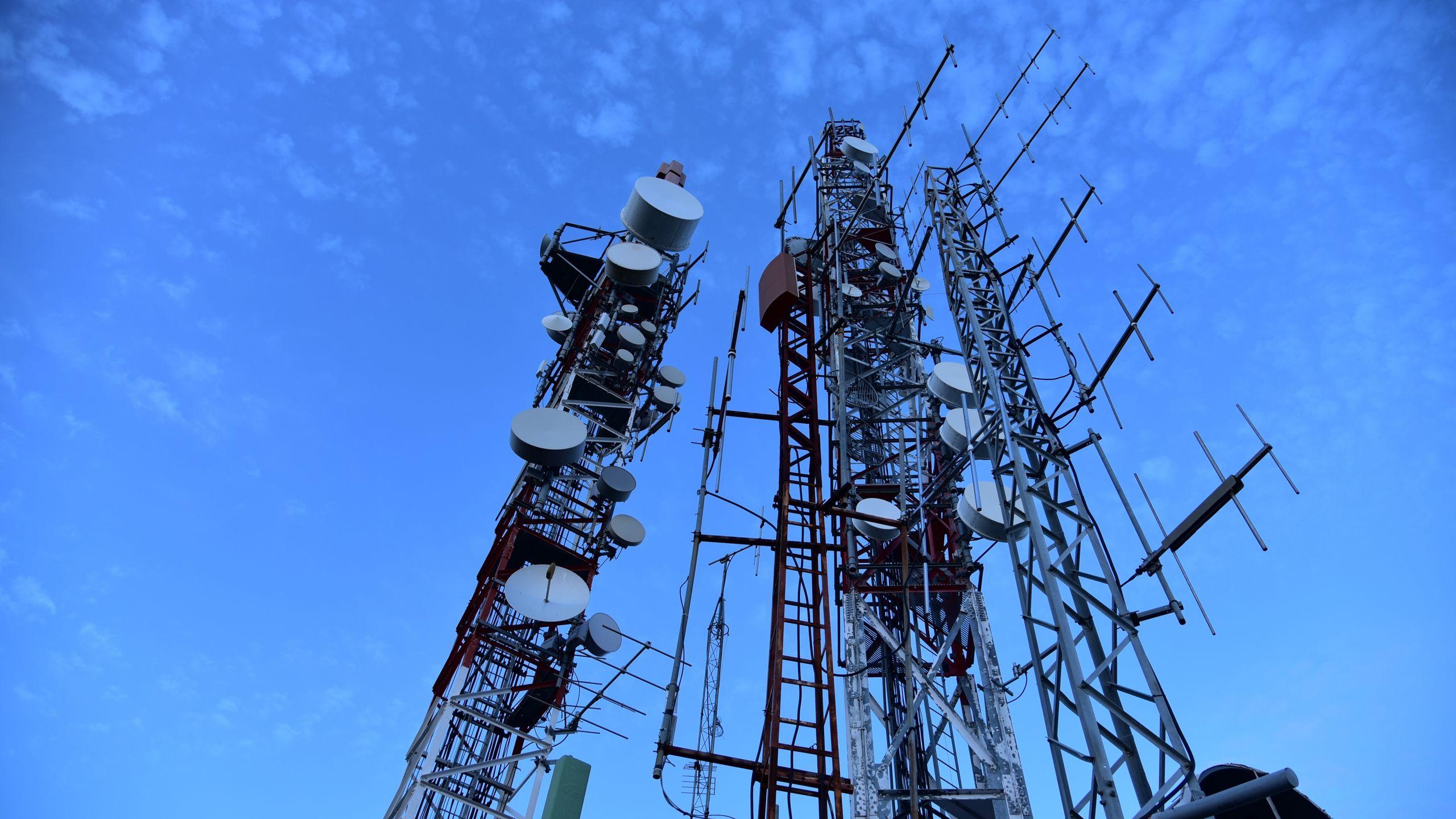
Vodafone has started testing a mobile mast equipped with an AI system and a robotic arm capable of automatically adjusting radio antennas.
The technology combines AI analysis with automated hardware movement to reduce manual interventions on 4G and 5G networks.
An algorithm developed in-house by Vodafone first assesses network demand and local conditions before directing the movements of the robotic arm.
Latest videos fromTechRadar
Robotic arm handles physical adjustments
The robotic component itself comes from Humax Networks, a South Korean equipment manufacturer working alongside Vodafone on this trial.
Once the AI algorithm identifies where coverage or capacity needs to be changed, it instructs the arm to rotate or tilt the antenna accordingly.
This process would take between 20 and 30 minutes while optimizing energy efficiency across the entire network.
In comparison, manual antenna reconfigurations often take days or even weeks, once planning approvals, site access and road closures are taken into account.
Physical engineering work is also usually required, further delaying any conventional antenna tuning process.
The system adapts coverage based on environmental conditions, broadcasting more signal outdoors on clear days and boosting coverage indoors when conditions become poor.
Self-organizing algorithms also respond to changes in local traffic congestion, allowing antennas at multiple locations to reposition themselves before anticipated peaks in demand.
Vodafone is currently testing this setup at a site overlooking a shopping center in Tirana, Albania.
There, coverage automatically shifts between commercial and residential areas as usage patterns change throughout the day, tracking actual consumer movements.
Francisco Pignatelli, director of mobile access engineering at Vodafone, described the trial as one of the first examples of physical AI within a telecommunications infrastructure.
“By analyzing network demand and making autonomous decisions, the AI algorithm can adjust radio antennas to optimize coverage and capacity without human intervention,” Pignatelli said.
Internal antenna components signal the next gear change
Although the current trial relies on physically mobile robotic hardware, Vodafone already anticipates that a different approach will soon become the norm.
The company expects autonomous antenna technologies capable of adjusting internal components, rather than repositioning entire units, to hit the market in the coming months.
This move to internal tuning should further reduce power consumption compared to moving an entire antenna array externally.
Vodafone said the combination of antenna digitalization with AI-driven automation is a major step towards fully self-adaptive wireless networks.
The technical question remains open for the moment as to whether the internal tuning of the antenna can match the physical precision obtained through the movement of the robotic arm.
Vodafone has yet to detail how the internal components alone will replicate the directional control that robotic rotation currently provides in various environmental and traffic conditions.
Via Mobile World live
Follow TechRadar on Google News And add us as your favorite source to get our news, reviews and expert opinions in your feeds.


