NEWYou can now listen to PK Press Club articles!
No more friendly matches. More updates. Next meeting for the United States after the matches against Senegal and Germany: the 2026 FIFA World Cup.
There are positives and negatives to take away from a 3-2 win over Senegal and a 2-1 loss to Germany.
Two former U.S. World Cup players (Maurice Edu in 2010 and Walker Zimmerman in 2022) detail their three biggest lessons.
Chris Richards is essential to this backline
Edu: Although the United States had many positive periods between their victory against Senegal and their defeat against Germany, they conceded several goals in both matches.
The United States started with three center backs: Alex Freeman and Tim Ream both started, while Mark McKenzie started against Senegal and Miles Robinson against Germany. In both matches, the United States conceded twice. (Note: I wouldn’t mind seeing McKenzie or Robinson start alongside Richards.)
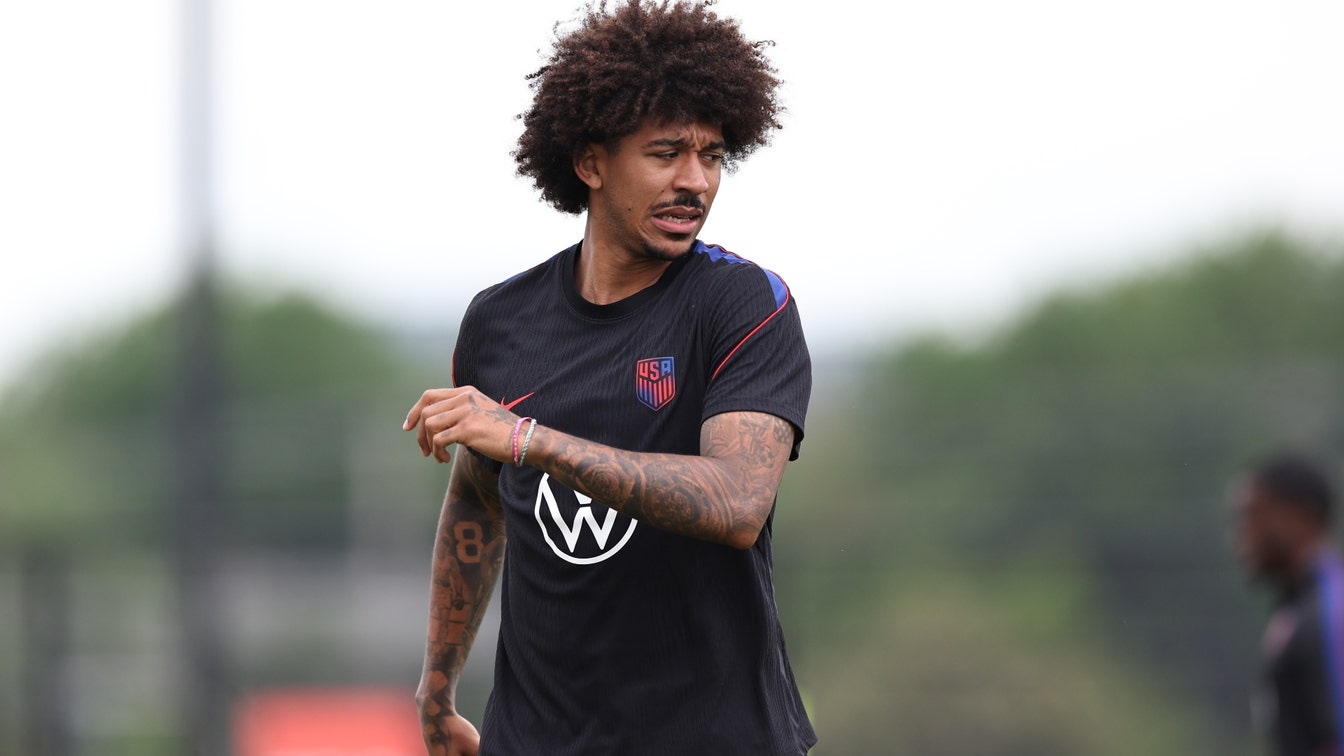
When healthy, Richards slots into the middle of this defense between Freeman on the right and Ream on the left. Chris practiced fully on Monday, which is a positive sign that he will be ready to face Paraguay on Friday (9 p.m. ET on FOX/FOX One and streaming free on Tubi).
The United States is ready for real competition
Zimmerman: The United States played two games against different teams, which allowed them to defend differently. We were more compact in our defense against Senegal, by keeping distance from front to back we were able to press higher and be higher up the pitch, maintaining around 20-25 meters between our defense and attack. Then, facing quality opposition in Germany, we had to be a little more compact; it was more like 35.
It also helped that Germany was fluid in the way it defended itself. Germany put pressure on the American defense in various ways. Sometimes the press was high on our back line in a 4-3-3 formation, while other times it was a little deeper in a 4-4-2. Being able to build an attack against various structures and looks was a great dress rehearsal for what we’ll see throughout the tournament.
After Antonee Robinson’s absolute golazo, I thought we responded well for the rest of the first half. It was a very good period in which the USA looked like a dangerous team, putting pressure on Germany and competing well until the halftime whistle.
Additionally, I think Germany’s first goal will be helpful for the United States in the long run. He allows the team to go back to the drawing board on set pieces. Kai Havertz finding himself in this position without any contact is not enough.
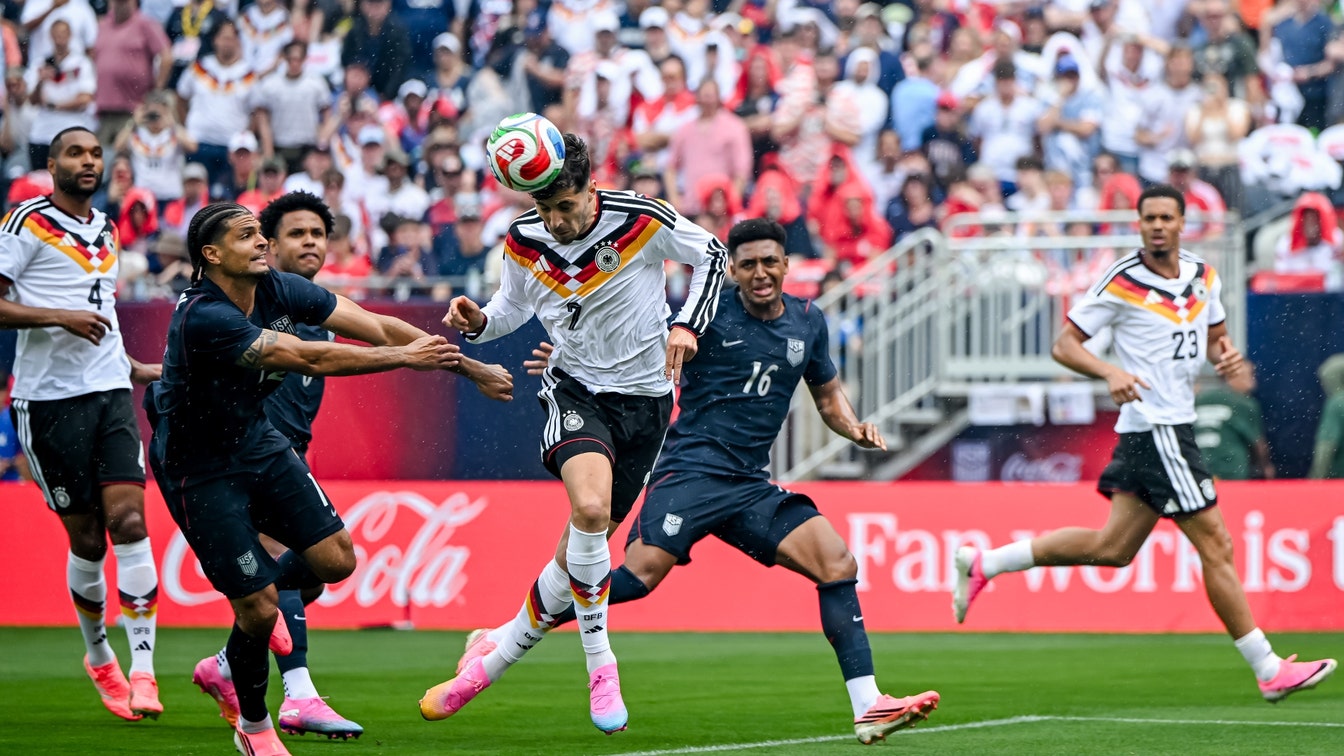
Now it’s about emphasizing how important set pieces will be during the tournament. Hopefully this team has learned the organization and communication necessary to ensure that each item stopped is defended with the appropriate urgency.
This week will be about making small changes to the system while making sure the guys recover and continue to build their fitness ahead of the United States’ World Cup opener Friday night against Paraguay.
The United States can compete with the best teams, but…
Edu: When the United States is at its best, we can cause problems against the best teams at the World Cup this summer.
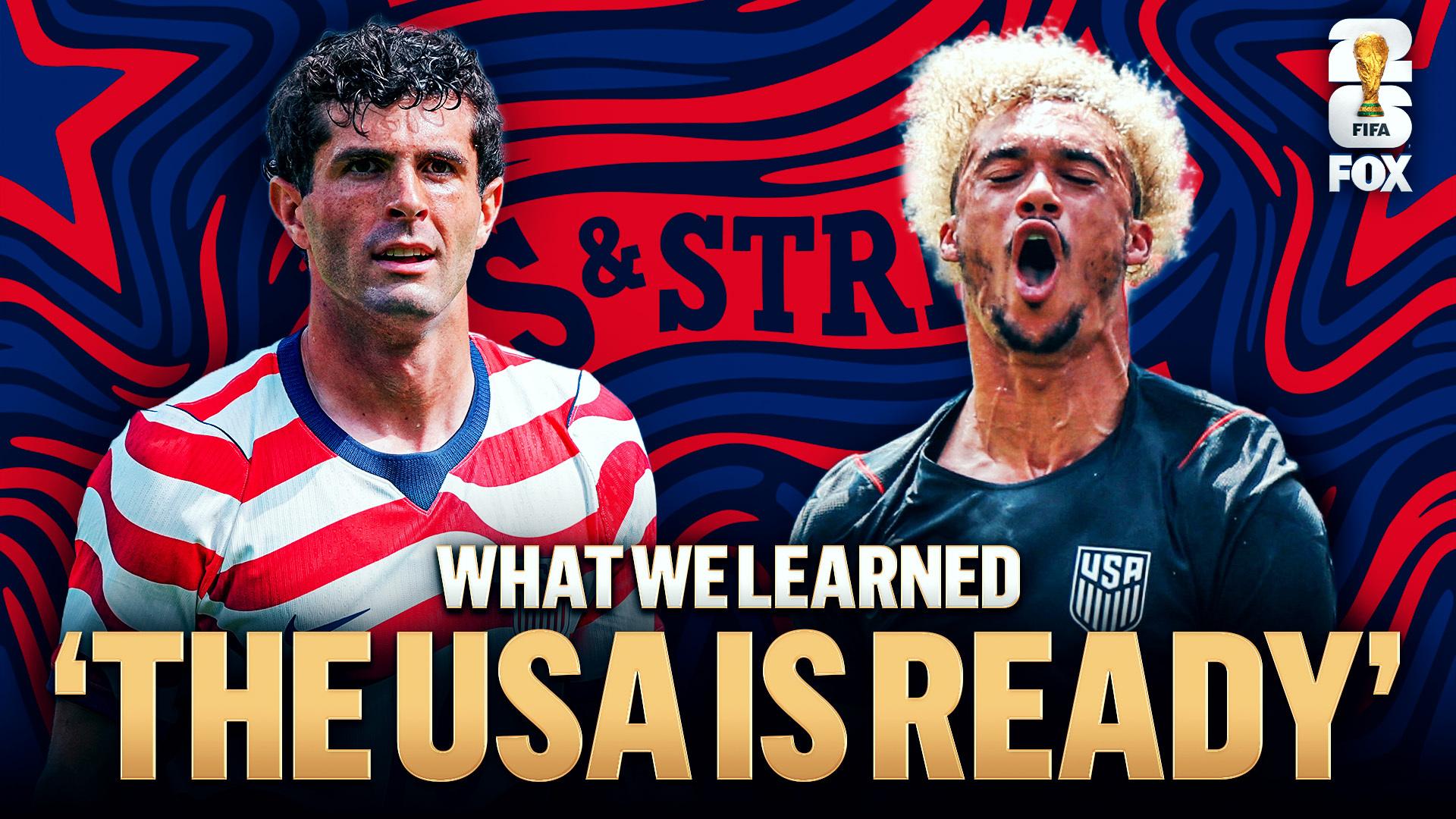
The United States created chances and looked dangerous against Senegal and Germany. Christian Pulisic delivered a man-of-the-match performance against Senegal, while Folarin Balogun scored against Senegal and was lively against Germany.
The key: we have to take a chance. Once you start playing the best teams in this tournament, they’ll make you pay if we’re not clinical when our moments come.
Besides causing problems in attack, I loved the response and character this group showed after conceding early against Germany. This mentality and this fight will be important for the future.