
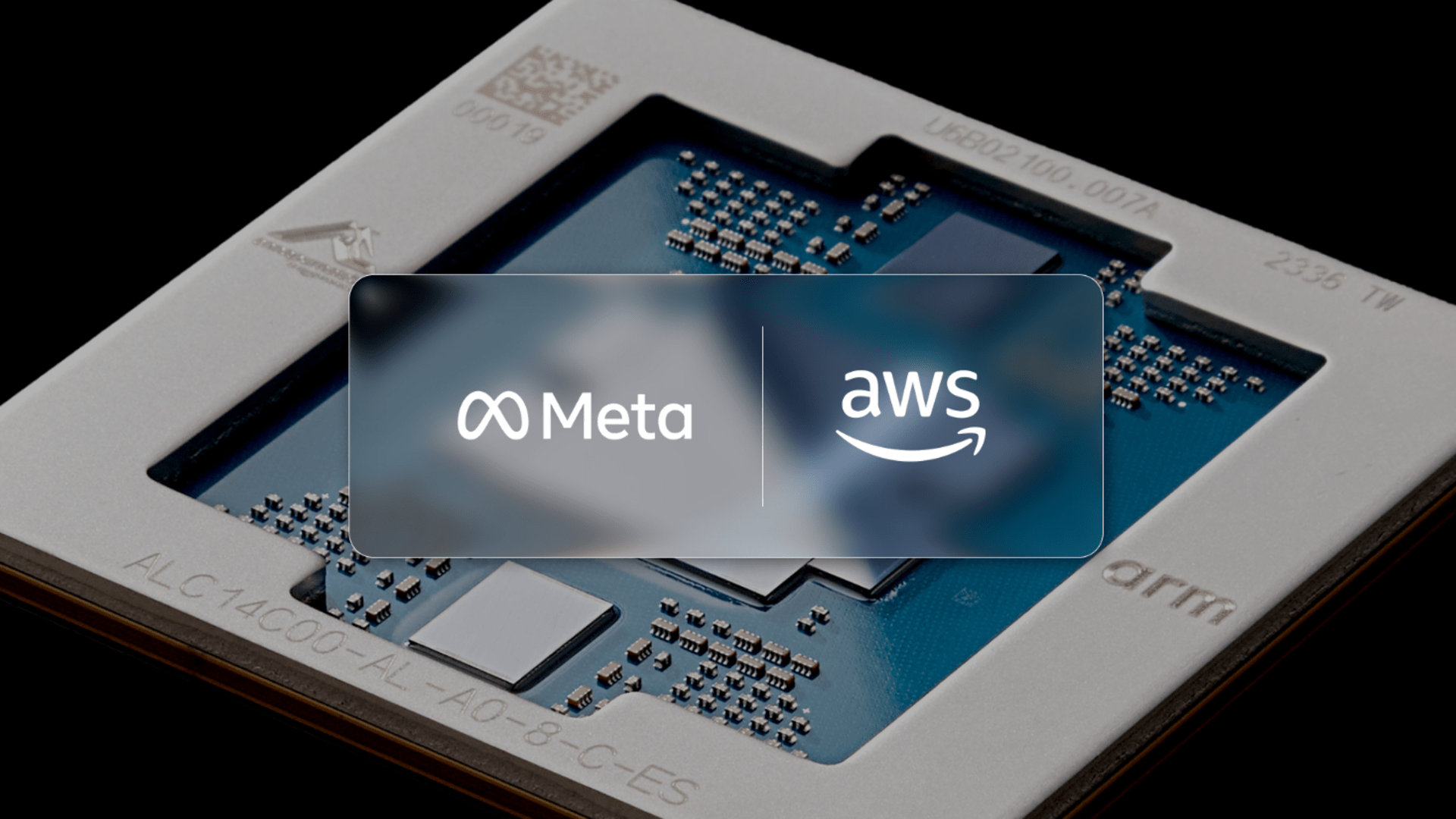
- AWS becomes first cloud provider to offer commendable PCIe 6.0 processors
- Graviton5 combines 192 Arm cores with 96 PCIe lanes
- Memory Bandwidth Exceeds 800 GB/s on Latest AWS Server Platform
AWS has quietly taken a step that neither AMD nor Intel took first in commercially available cloud infrastructure by deploying a PCIe 6.0 compatible processor.
The company’s Graviton5 processor is now generally available through Amazon EC2 M9g and M9gd instances, allowing customers to rent PCIe 6.0 hardware by the hour.
Although this development seems significant on paper, the practical benefits remain difficult to identify for most users at the current stage of deployment.

PCIe 6.0 comes to the cloud before it reaches most hardware
Graviton5 was developed by Annapurna Labs and adopts a chip design based on TSMC’s 3nm manufacturing process technology.
The processor combines four compute dies each containing 48 Arm v3 cores, bringing the total core count to 192.
AWS says each core contains 1MB of dedicated cache, while the platform integrates 12 channels of DDR5 memory running at speeds up to DDR5-8800.
According to the company’s figures, the memory subsystem can provide more than 800 GB/s of overall bandwidth for demanding workloads.
The processor also includes 96 PCIe 6.0 lanes, making it the first cloud processor that customers can actively access with PCIe 6.0 connectivity.
Communication between the chipsets relies on a coherent interconnect capable of transferring data at 420 GB/s while maintaining unified operation.
AWS claims that Graviton5 can deliver performance improvements of up to 25% over previous generations deployed on its infrastructure.
Additional figures suggest that application workloads can run 35% faster, while database operations improve by 30% under the right conditions.
Network bandwidth would increase by up to 15%, while storage bandwidth would increase by approximately 20% across all instance categories.
For larger deployments, AWS says network throughput can double compared to previous offerings available through its cloud platform.
Why PCIe 6.0 may not matter much yet
The challenge is that PCIe 6.0 alone does not automatically transform application performance unless the surrounding hardware can exploit the additional bandwidth.
This limitation becomes clearer when looking at storage devices capable of taking advantage of today’s new interface standard.
Micron’s NVMe SSD 9650 is one of the first PCIe 6.0 drives to be released, although its audience remains hyperscale operators.
The SSD could achieve sequential read speeds of 28 GB/s, almost twice the throughput typically associated with PCIe 5.0 storage.
Nonetheless, these drives are largely intended for AI inference environments rather than conventional enterprise or cloud computing workloads.
The same pattern appears in Teamgroup’s recently announced PCIe 6.0 SSD, which reaches 28 GB/s but remains far from being deployed by the general public.
For many AWS customers, processor architecture, memory bandwidth, cache capacity, and software optimization will likely matter much more.
M9gd instances also include local SSD storage reaching 11.4TB capacity and delivering 30% higher IOPS than their predecessors.
Although PCIe 6.0 gives AWS early technological distinction, significant gains will depend heavily on broader ecosystem adoption.
Right now, this achievement seems more important as a milestone in infrastructure than as a feature that immediately changes everyday cloud workloads.
Via The 3D Guru / Wccftech

Follow TechRadar on Google News And add us as your favorite source to get our news, reviews and expert opinions in your feeds.


