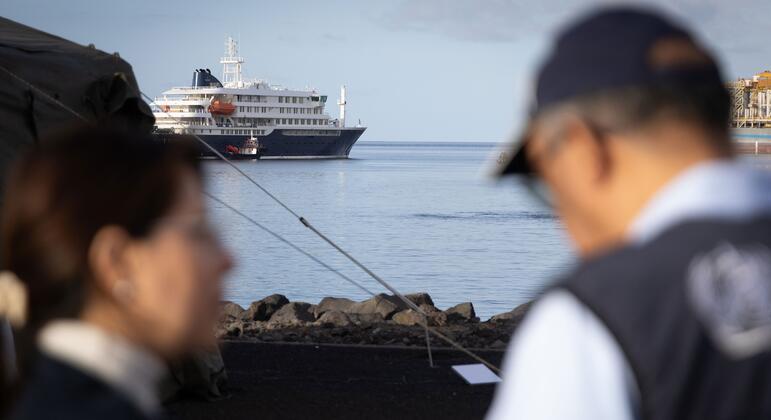
The repatriation effort, coordinated by Spanish authorities with support from the WHO, the European Union, the European Center for Disease Prevention and Control (ECDC) and several governments, marked the end of an emergency operation that captured global health attention for weeks following an outbreak of Andean hantavirus aboard the ship.
On Monday, the WHO said there had been nine cases linked to the ship, including seven laboratory-confirmed infections and three deaths. Another case remained under investigation following an inconclusive test result.
Click here for the WHO fact sheet on hantavirus
Operation executed “as planned”
WHO Director-General Tedros Adhanom Ghebreyesus, who was in Tenerife leading an emergency response team, praised Spain’s handling of the operation. He said the landing was carried out “in style and as planned”.
“It is the triumph of solidarity,he said, thanking the Spanish government, European partners, Tenerife authorities and the ship’s crew for their coordination and cooperation throughout the crisis.
The last groups of passengers left the Canary Islands on Monday aboard specially arranged flights, while more than 30 crew members and two health workers remained on board as the ship continued towards its home port of Rotterdam in the Netherlands.
No commercial flights
WHO officials stressed that none of the passengers had traveled on commercial flights and urged countries receiving repatriated citizens to implement strict surveillance measures.
The agency calls for 42 days of quarantine or isolation starting May 10, either at home or in dedicated facilities, reflecting the virus’s long incubation period and the possibility of delayed symptoms.
“What I believe is that countries will do everything to protect their citizens. » » said Tedros. “The guidelines are clear. It’s 42 days of isolation.”
Health experts explained that the extended monitoring period aims to prevent further spread of the virus, which can become contagious once symptoms appear.
The next phase
Tedros said the operation had now entered a longer monitoring phase, with WHO asking affected countries to provide weekly updates via the International Health Regulations (IHR) platform on the health and well-being of passengers and crew.
“Continued international coordination is essential to protect everyone’s health,» he said.
A contained epidemic
Olivier Le Polain, head of epidemiology and analysis at WHO, said the outbreak remained “well contained for now” but warned that new cases could still emerge in the coming days or weeks.
“We know that the incubation period for hantavirus and Andes virus is very long,” he told a WHO press briefing. “People can still develop symptoms much later. »
WHO officials also highlighted the strain placed on passengers and crew during the weeks at sea, saying repatriation was aimed both at reducing transmission risks and ensuring people received appropriate care and support.
“It’s not another COVID” Tedros said, urging countries to “Continue to show compassion and solidarity to your citizens. »