
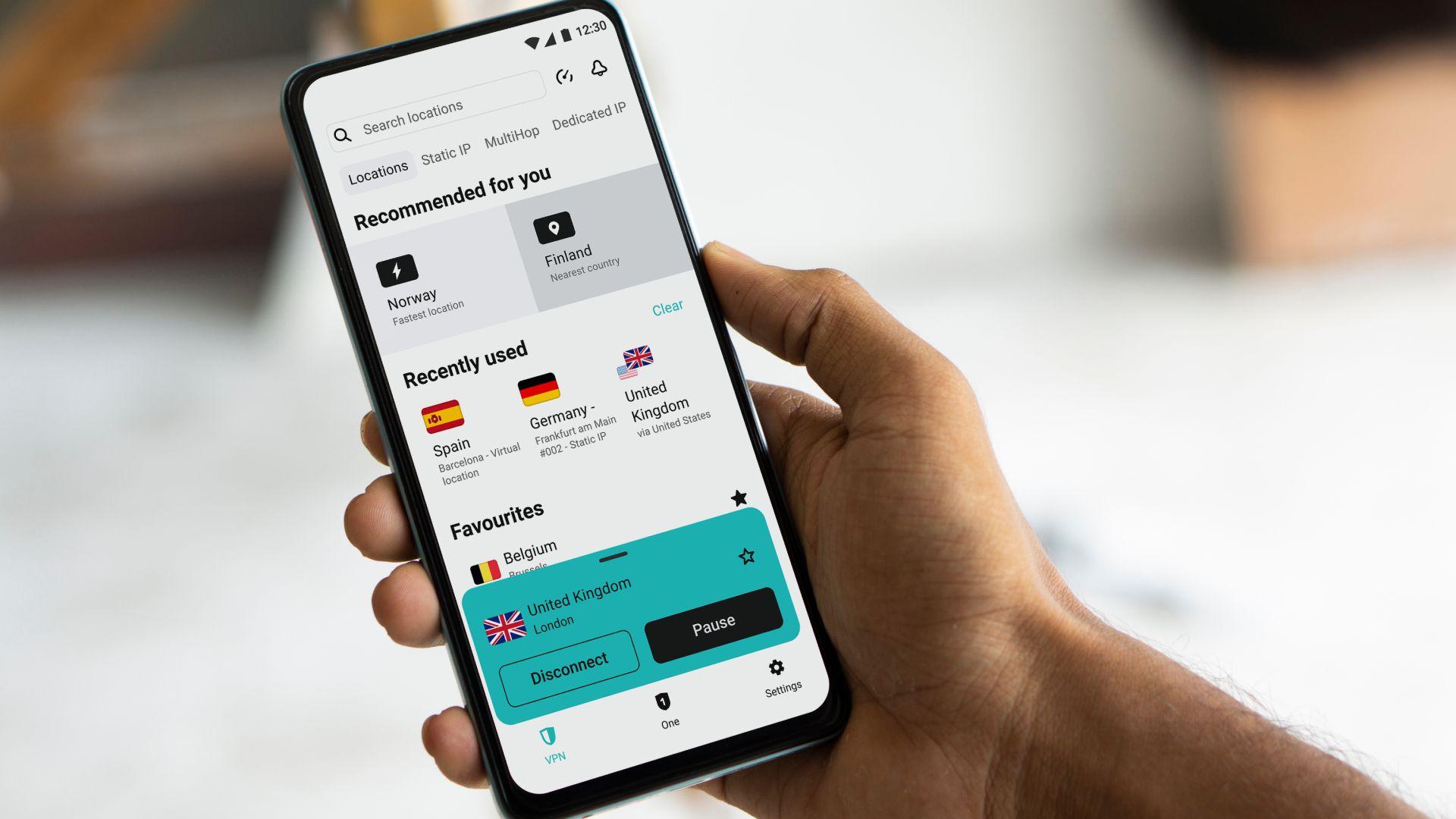
- Surfshark is now a supporting partner of Amnesty International’s Digital Forensics Fellowship (DFF).
- The DFF trains human rights defenders to securely scan Android and iOS devices for sophisticated spyware and digital threats.
- The partnership aims to equip at-risk communities around the world with the skills to investigate and respond to increasing global surveillance.
As the threat of state-sponsored spyware and digital tracking continues to intensify, one of the best VPN providers on the market is supporting efforts to protect the world’s most vulnerable internet users.
Surfshark has officially announced that it has become a supporting partner of Amnesty International’s Digital Forensics Fellowship (DFF). Run by Amnesty International’s Security Lab, the DFF is a highly specialized training program designed to teach human rights defenders how to perform advanced scanning of mobile devices.
For the everyday user, a virtual private network acts as a shield against casual surveillance and data collection. However, for journalists, activists and civil society organizations, threats are often more targeted and sophisticated.
According to Surfshark’s announcement, this partnership aims to equip these individuals with practical skills in threat research, malware traffic analysis, and device forensics.
Ultimately, this initiative is important because it helps decentralize digital security. By teaching regional activists how to detect digital surveillance on their devices, Amnesty and Surfshark are helping to build a global network of experts who can expose human rights abuses without relying entirely on Western tech hubs for forensic analysis.
Digital defenders on the front lines
The DFF was born out of necessity following explosive revelations about global surveillance. Instead of just teaching theoretical cybersecurity, the program provides hands-on experience analyzing Android and iOS environments.
Speaking to Surfshark, Molly Cyr, training and community engagement manager for Amnesty International’s Security Lab, explained the origins of the program: “The Digital Forensics Fellowship, or DFF, is a training program aimed at upskilling human rights defenders in forensics on mobile devices. »
She added: “Following Project Pegasus, the DFF emerged in response to the growing number of civil society organizations seeking to protect themselves against advanced attacks enabled by spyware. »
Digital Forensics and Growing Threats
A key pillar of the scholarship is its reliance on “consensus” forensic analyses. This means that analysis is only carried out with the informed consent of the targeted person or organization, putting victims back in the driver’s seat.
“Our team focuses on mobile device consensual investigation, which refers to analysis and research performed on an individual or organization,” Cyr told Surfshark. This model allows those targeted by highly sophisticated tools to understand exactly what compromised their devices, allowing them to decide the best course of action.
This work is becoming more and more critical. Activists no longer only face physical risks; they are fighting against an invisible and rapidly evolving digital frontline. As Cyr noted: “Digital surveillance technologies are rapidly being developed and deployed, and used in conjunction with other tools and tactics to monitor people and movements in innovative ways. »
Why a VPN Company Supports Forensic Research
Although Surfshark is best known for its consumer VPN and antivirus products, the company does not create or sell digital forensic tools. However, the provider sees the partnership as a necessary step to secure the broader digital ecosystem.
“This vision is not limited to our products: it is about the broader ecosystem of digital security and privacy,” said Dovydas Godelis, CEO of Surfshark, in the company blog. “As we help people stay safer online with accessible security solutions, the DFF is tackling a different but equally crucial piece of the puzzle: developing the expertise needed to investigate and respond when digital rights are violated.
The reality is that protecting the most at-risk internet users ultimately benefits the everyday consumer. When organizations research and expose sophisticated campaigns targeting activists, it forces the entire tech industry to adopt higher security standards, increasing awareness and accountability for everyone online.


