
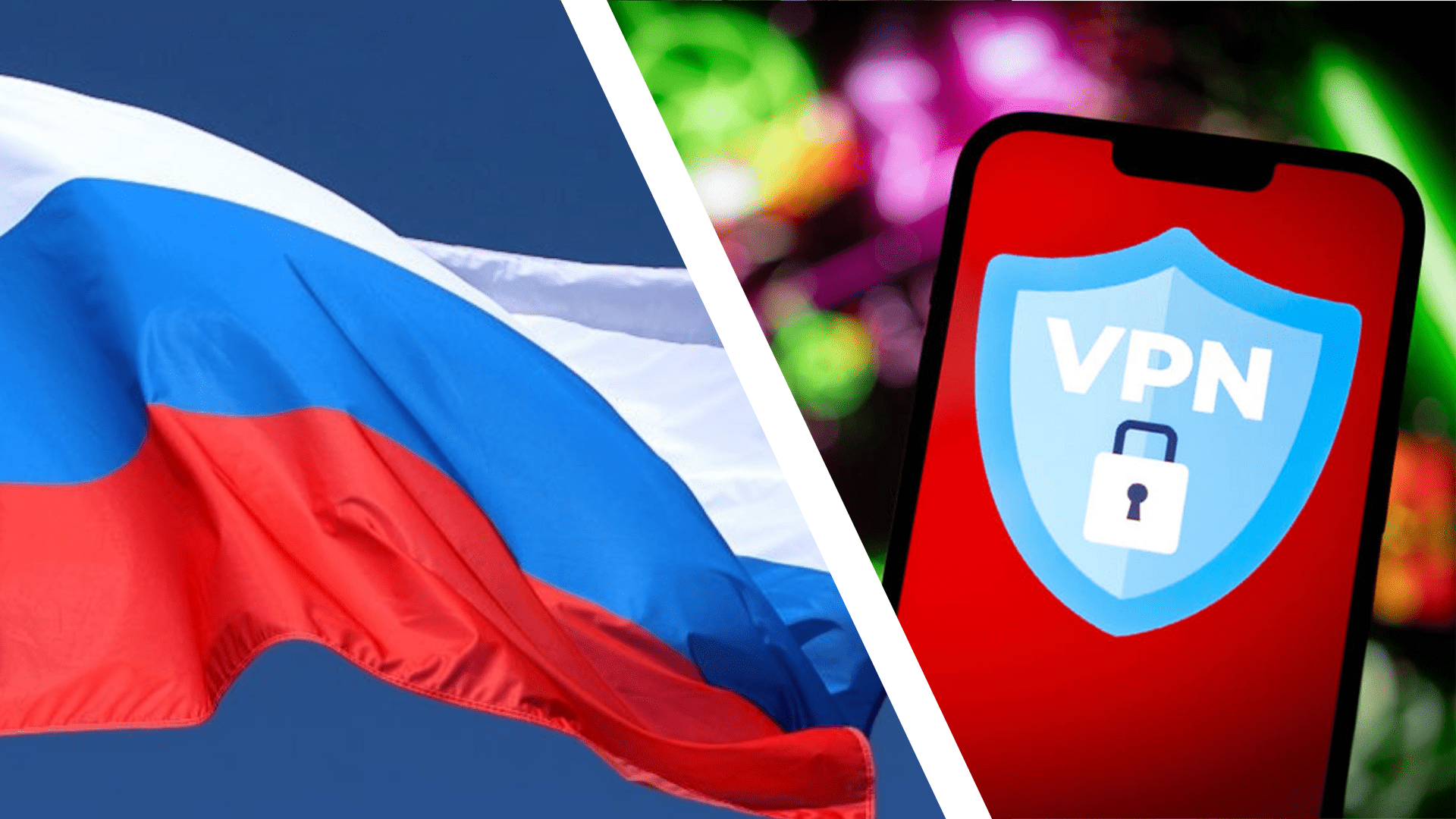
- Russian authorities have extended the deadline for implementing VPN user fees until after the September elections.
- At the same time, a wave of “more aggressive and targeted” VPN restrictions was recorded.
- A group of popular Telegram proxies also reportedly stopped working
Last week’s announcement that the Russian government agreed to suspend VPN fees until after the elections (scheduled for September) likely caused residents to breathe a sigh of relief. This reassurance did not last long, however, as the Kremlin continued to step up its efforts against VPNs and similar apps.
“Right now, all VPNs in Russia are really suffering. The situation is not looking good,” a spokesperson for Russian digital rights group RKS Global told TechRadar.
The group confirmed that Russian authorities have launched a major new wave of lockdowns in recent weeks, which includes even “more aggressive and targeted” restrictions.
TechRadar found numerous Reddit posts published this week lamenting issues with VPNs operating in Russia. Affected VPNs include Amnezia VPN, a service that uses obfuscation technologies (such as the AmenziaWG and X-Ray protocols) designed to work in heavily restricted networks.
Speaking to TechRadar, Amenzia VPN founder Mazay Banzaev confirmed that IP addresses and subnets are currently blocked “at scale”. This makes certain servers and locations inaccessible to users, he explained.
“At the same time, we also see signs of increased monitoring of VLESS traffic and the possible use of new methods to restrict it,” Banzaev said. VLESS is the technology behind Amnezia’s X-Ray protocol, specifically designed to avoid heavy blocking and deep packet inspection (DPI).
The biggest blockage appears to have occurred last week. Russian tech site Kod Durova (or Durova Code in English) reported an “unprecedented number of complaints” lamenting the unavailability of Telegram’s capabilities to resist censorship.
A source familiar with the matter told Kod Durova that Russia’s censorship body, Roskomnadzor, appears to have “found another vulnerability in Telegram’s MTProto proxy mechanism, causing it to stop working en masse.”
The Kremlin’s war on VPNs
The Kremlin’s war on VPNs is not new, but it became particularly harsh in the spring.
In late March, Russia’s Ministry of Digital Development announced a new plan to “reduce VPN use” just after the popular messaging app Telegram became the latest service to be restricted in the country.
Under the plan, Russian providers must detect and block VPN connections starting April 15. Failure to do so could result in the loss of their IT accreditation.
Researchers at RKS Global now suggest that the country’s most popular apps can now all tell if someone is using a VPN. For this, the group recommends avoiding using Max or other Russian-based apps on the same device where you need a working VPN connection.
This method seems to work. An anonymous source living in Russia told TechRadar that they enjoyed better connections in May than in April after avoiding using Russian apps. “Maybe this is my behavior outside of Yandex, Ozon and Wildberries,” they told us.
The next step is to impose new fees for VPN users, an extra charge for those who exceed 15 GB of international data per month. This decision, which was to come into force on May 1, initially encountered some technical delays. Today, the government has decided to postpone this decision until the elections.
Roskomnadzor has, however, been clear: the goal is to block 92% of VPN applications by 2030. To do this, the agency is investing 20 billion rubles per year with the aim of establishing a permanent VPN censorship system.
Despite technical obstacles, so far VPNs have continued to adapt to new censorship tactics and circumvent blocks. It remains to be seen whether this cat and mouse game will continue to lean in favor of VPNs.
That said, Banzaev told TechRadar that the team is already working to restore infrastructure availability, while adapting the service to new conditions.
“As compensation for the inconvenience caused, we have automatically extended all Amnezia Premium subscriptions by two weeks,” he said, suggesting trying the protocol or swicth locations in case of disruptions.
Follow TechRadar on Google News And add us as your favorite source to get our news, reviews and expert opinions in your feeds. Make sure to click the Follow button!


